
Camp Woodland Blog
What Camp Teaches That High School Doesn’t
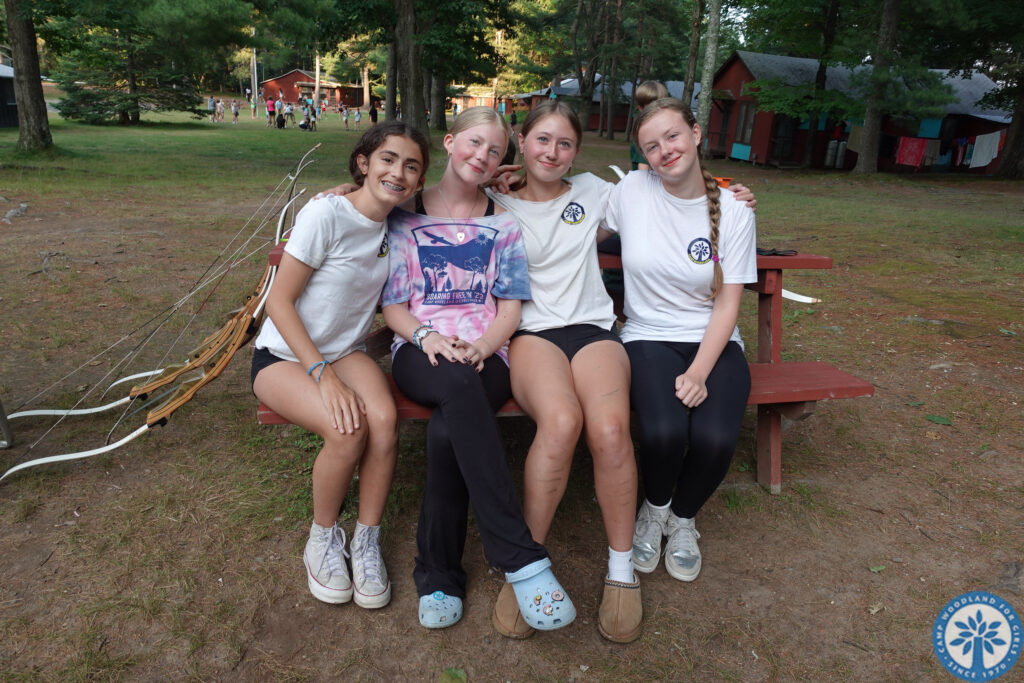
High school is full of structure – bells ringing every 45 minutes or so, assignments with rubrics, and a whole lot of emphasis on grades, ACT/SAT scores, and résumés. Camp is the opposite. It is chaotic, unscripted, and full of unexpected lessons that prepare campers for life in ways school never do.
- People See You Differently Without Labels
In high school, students are defined by their schedule or extracurriculars. You’re known as the athlete, the overachiever, the quiet one. At camp, none of that matters. No one is expected to fit a mold. That change in environment lets youth figure out who they are without trying to meet other people’s expectations.
- Being Offline is a Game-Changer
At camp, phones are off and completely out of sight. That means no group chats, no endless scrolling, and no comparison traps. Instead, campers have actual conversations, sit in silence, and got comfortable just being where they are. It’s mind blowing how much noise we get used to – and how valuable it is to disconnect once in a while.
- Teamwork Looks Different Outside the Classroom
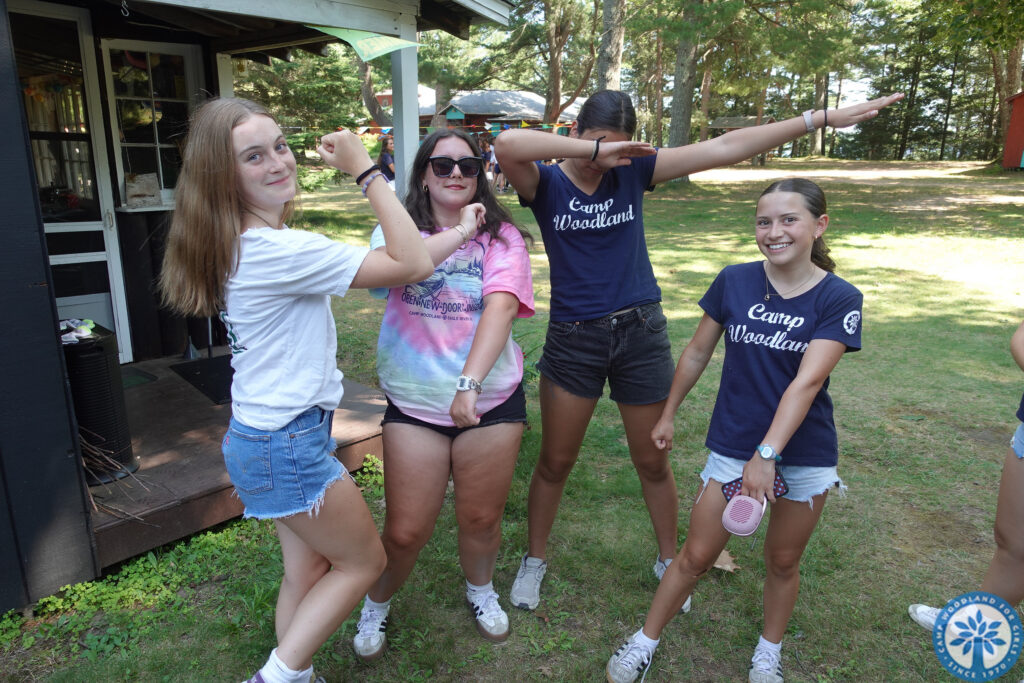
Group projects at school are usually about dividing work and getting it done. At camp, teamwork means real-time problem-solving – planning a Sunday event together, helping someone through a tough day, or figuring out how to make the most of a rainy afternoon. There are no roles or titles – just a shared goal and a bunch of trial and error.
- Leadership Isn’t About Being in Charge
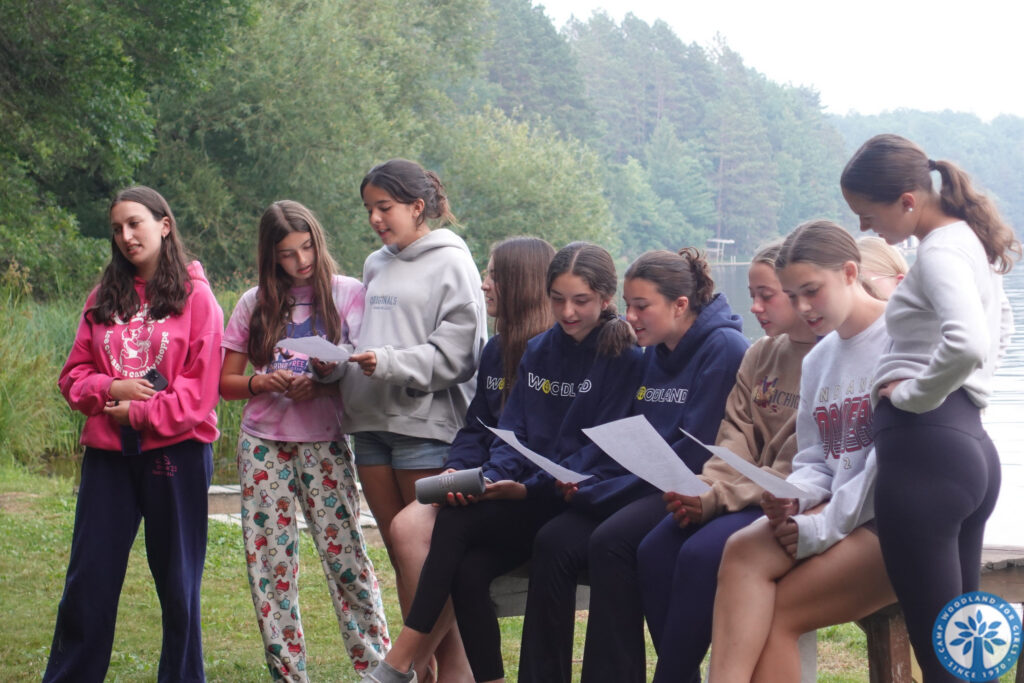
At camp, leadership shows up in small moments: helping a homesick camper, stepping up when things weren’t going smoothly, or just being someone others could count on. It’s not about being the loudest or most experienced. It’s about showing up and doing what needs to be done.
- Confidence Comes from Doing, Not Just Achieving
In school, confidence is often tied to things like grades or acceptance letters. At camp, it comes from doing things that seem out of reach – leading a group, navigating a hike, solving problems on the fly. No one hands out awards for those little moments, yet those experiences give a quiet kind of confidence that sticks (and more times than not someone notices and says something).
- There is Much Needed Space Just to Have Fun
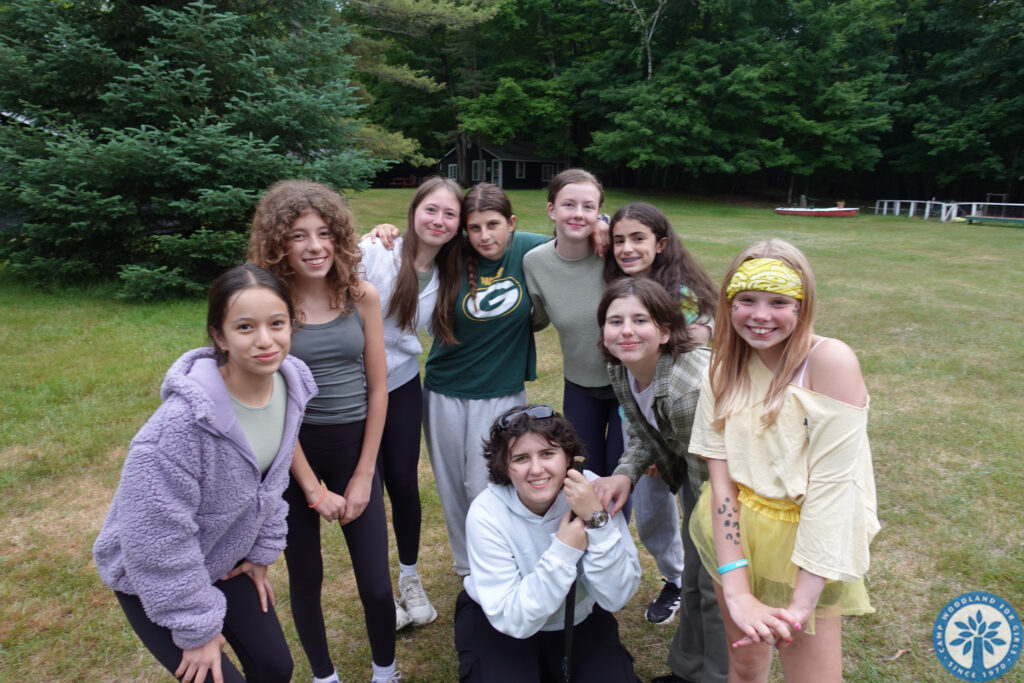
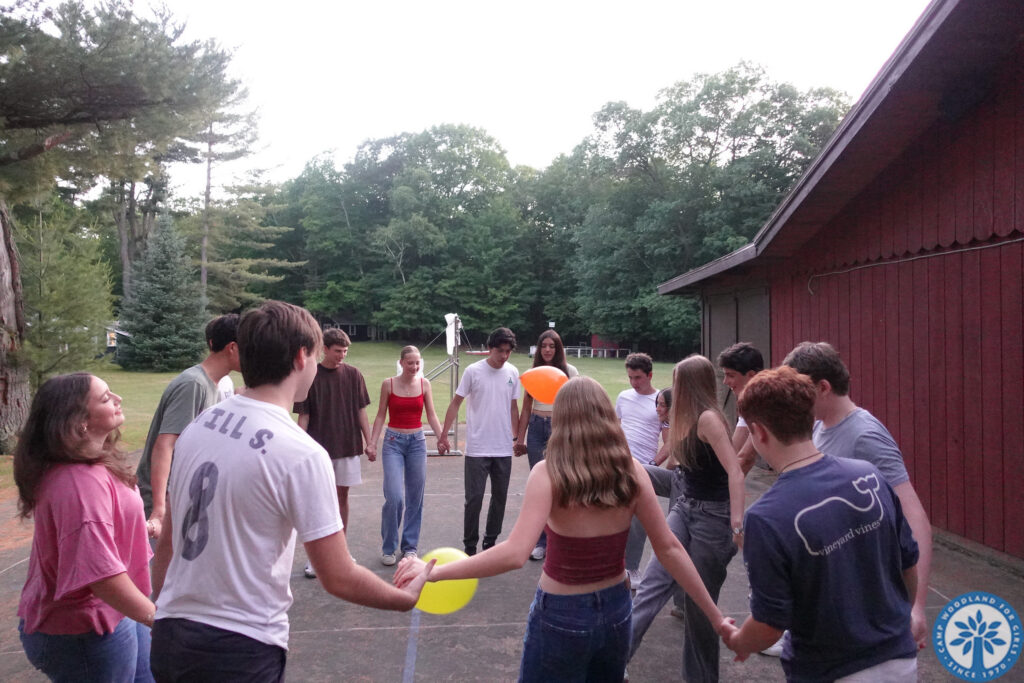
Between deadlines, exams, and college applications, high school doesn’t leave much room for just having fun. At camp, fun isn’t a side activity – it is part of the culture. Playing games, making dumb jokes (that turn into inside jokes), getting messy – it’s a good reminder that not everything has to be productive to matter.
- Graduating Seniors are More Ready for What’s Next Than They Realize
Camp is an ecosystem to practice a lot of the things post high school requires: living with strangers, being responsible for yourself, dealing with uncertainty, and figuring stuff out as you go. It helps build independence and resilience without even realizing it. When that next thing comes along, former campers typically don’t feel completely lost – they have already learned how to adjust to a new environment and take care of themselves away from home.
Final Thoughts
High school provides the foundation – study habits, deadlines, structure – but camp gives the tools to handle the unpredictable parts of life. It’s where emerging leaders learn how to work with all kinds of people, step up when it matters, and stay calm when things don’t go as planned.
Campers don’t come back from camp with a certificate or a grade, but they will return more capable, more self-aware, and more ready for what’s next. That kind of learning doesn’t show up on a transcript – but it shows up everywhere else.
Adapted from summer 365 blog posted in December 2025.
SUMMER 2026
Now is a GREAT time to enroll your camper/s for 2026 and reserve your spot/s: https://cwtp.campbrainregistration.com
We are VERY EXCITED about the upcoming summer where we will “Imagine This in ‘2-6!”