
Author: Kim Aycock
Between Grandma’s House and College
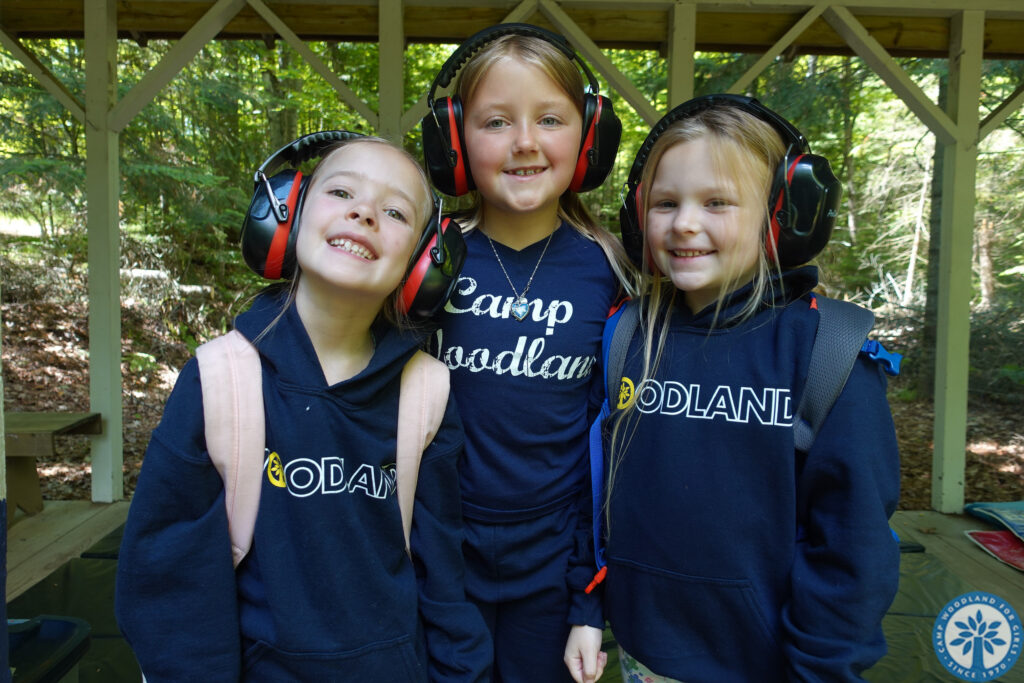
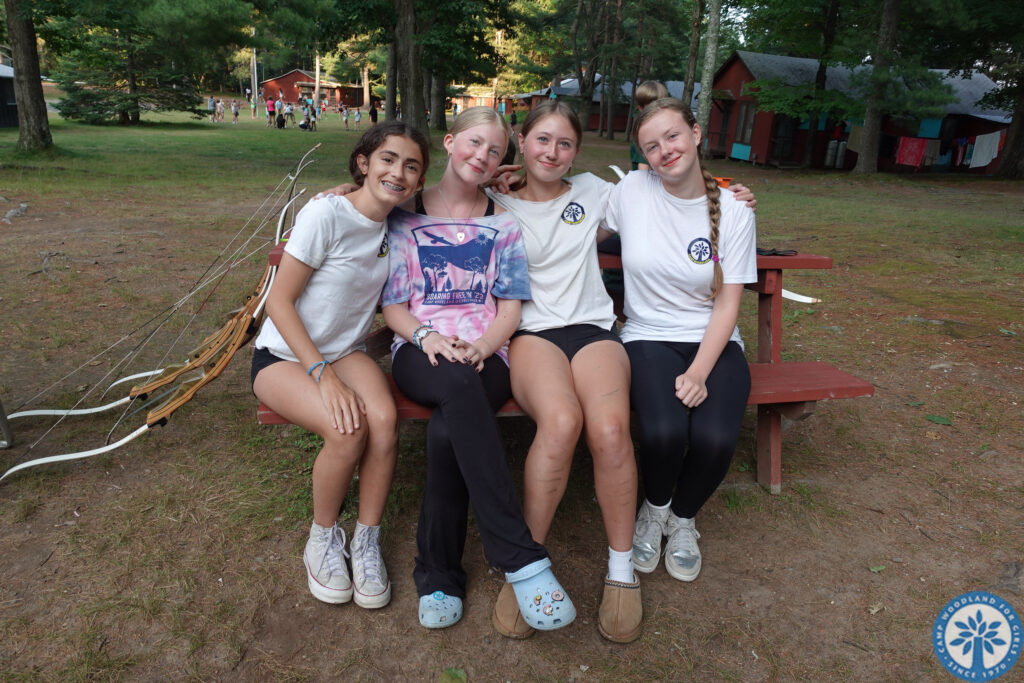
Growing up happens one step at a time. Little by little, kids take on new experiences, stretch beyond what’s familiar, and discover they’re capable of doing more on their own.
Look at the milestones of growing up, and an interesting pattern emerges:
- 3 minutes is the first time you feel comfortable leaving your kid out of your sight (maybe in a crib, playpen, or bouncy thing).
- 3 hours is the first morning they’re with a babysitter or at daycare.
- 3 days is that first long weekend sleepover with the grandparents or the cousins.
- 3 weeks (let’s come back to this one).
- 3 months is the first semester at college or other post-high school experience.
- 3 years is after college, out in the world with a first job and a first apartment.
- 3 decades is settling down, starting a family, and getting into life for the long haul.
Not everyone’s timeline is going to look exactly the same, but these are pretty standard stops along the way.
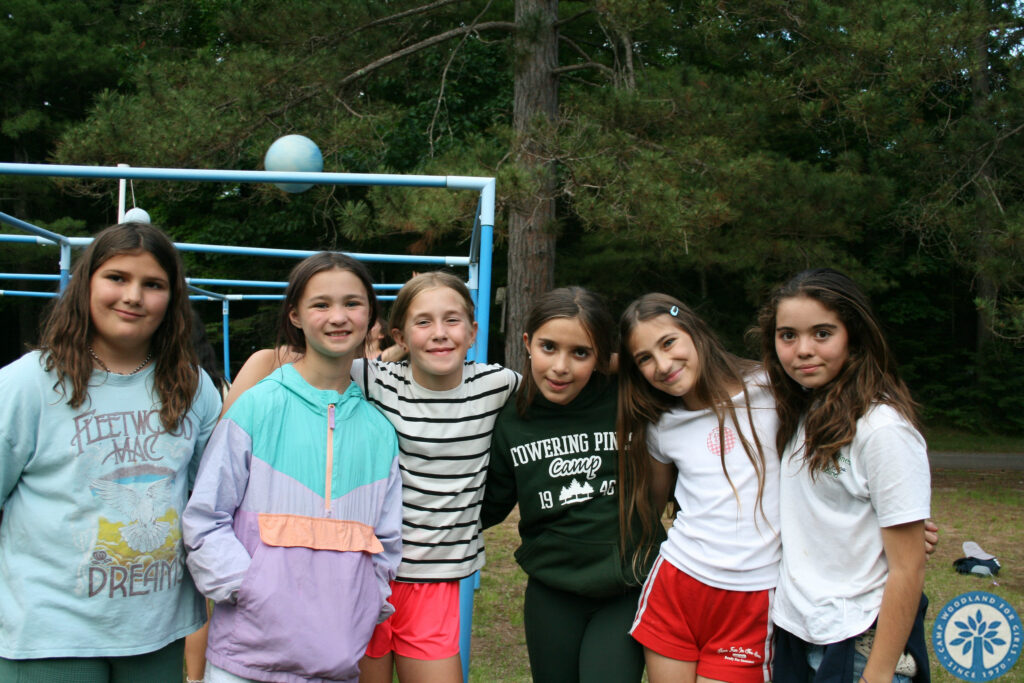
And then there’s that three week stretch…
Before I get to that, it’s worth saying that the number of steps kids take away from home is shrinking every year. When I was a kid, I would go play until the street lights came on or my Mom would ring the bell to come home. Now even the playground is full of grown-ups.
And independence is definitely a skill to hone and practice. It’s something you learn how to do, just like anything else. Throw a kid straight into the deep end and it will rightfully be panic time. Keep them in the living room and nothing new happens. There’s got to be blocks of time along the way where you get a little bit of practice at it so the next big thing seems considerably more manageable.
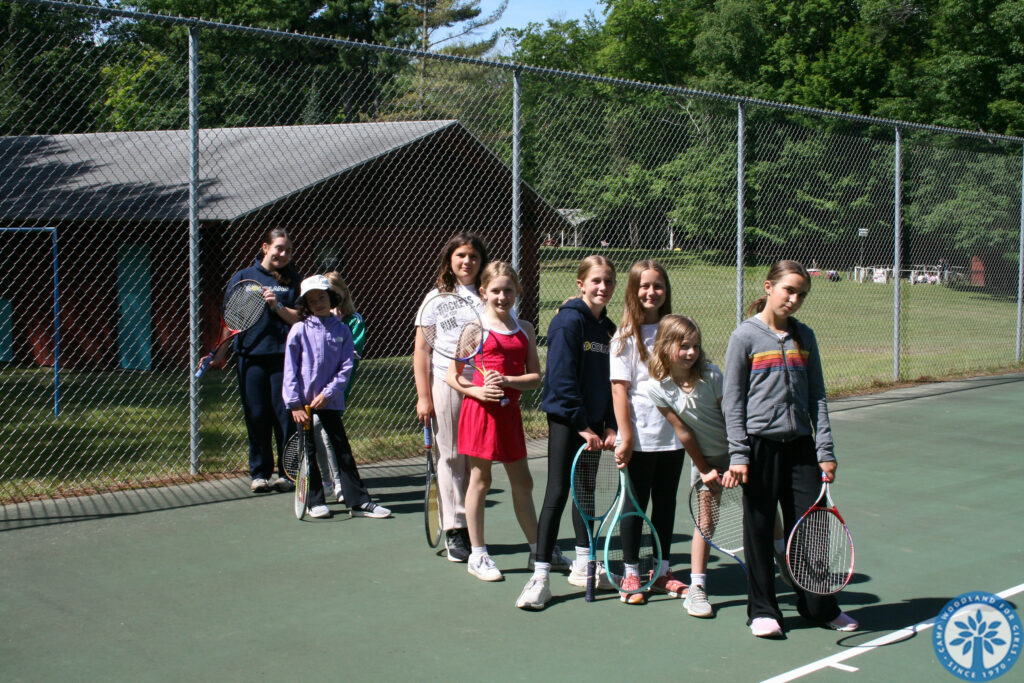
**That 3 Week Thing**
Look at that list again and almost every step kind of just ends up happening in the run of everyday life. Daycare has a start date because everyone’s got to go back to work. Grandma plans out the long weekend. College tells you when move-in day is for that first semester with a dorm room assignment.
But the 3-week thing doesn’t leave us a lot of options out there. Three weeks (or four or six) is different. Nobody mails you an invitation for it and honestly, it could be easy to skip entirely.
And skipping it leaves a giant gap in the middle of the list: a kid whose longest stay away from home is a weekend at grandma’s, all of a sudden is walking into a dorm for three months.
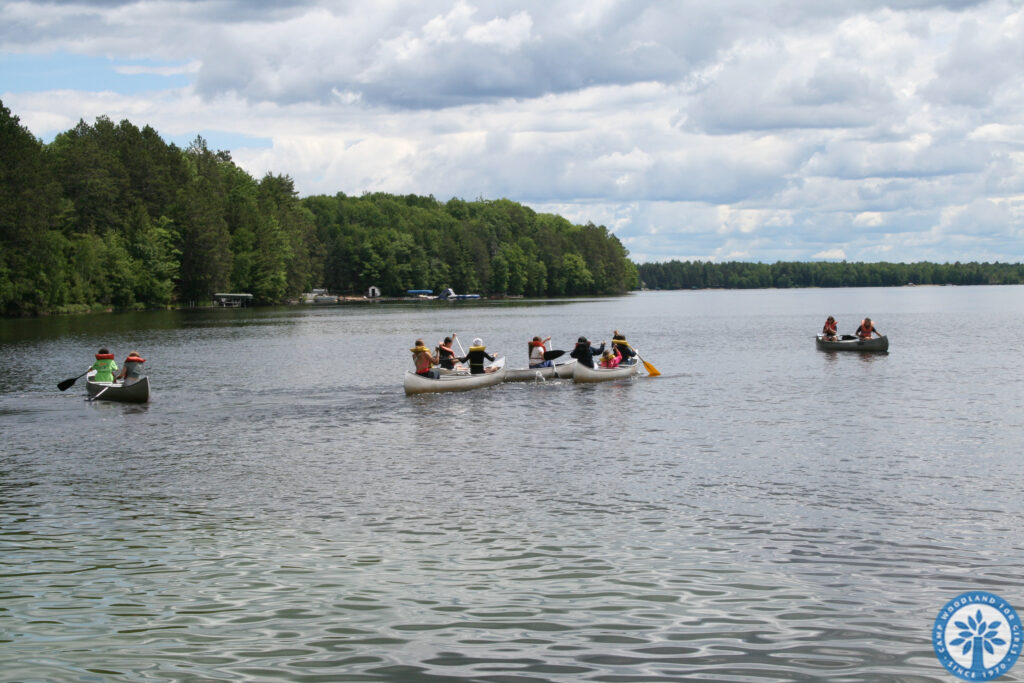
Camp really is one of the few in-betweens. We hear this from camp families all the time. Because it’s true. They can see it at those first drop-offs with the rest of the freshmen. They’ve gotten a bunch of 3, 4 and 6-week stretches under their belts. The climb up the independence ladder followed a rather simple progression.
I’m not going to list all the ways this happens during a stretch at camp, except to say the days and weeks stack the whole way.
One Question To Ask
Parents ask us how to know if their kid is ready for this rung. We keep it simple: did they do the one before it? A kid who’s done the three days at grandma’s is ready for three (or more!) weeks at camp. A kid who hasn’t should probably do that first.
Woodland and Towering Pines are set up for just that. First-summer campers can come for three weeks, half the summer, then move on to the full six weeks when ready (which could very possibly be the same summer!).
Yes, we want every kid here for the whole summer eventually. The full summer is the full experience. We plan camp to run Day 1 to Day 43, right in that order with the days and weekends building on each other. But for families new to camp, three weeks is often the right-sized rung.
Kids Need Room to Grow
The ladder mostly climbs itself. Minutes turn into hours, hours turn into days, and one day it’s decades, and they’re building a life of their own.
The three weeks is the one rung you have to go get on purpose. We saved you a spot (make your reservation HERE)!
When camp becomes part of your story
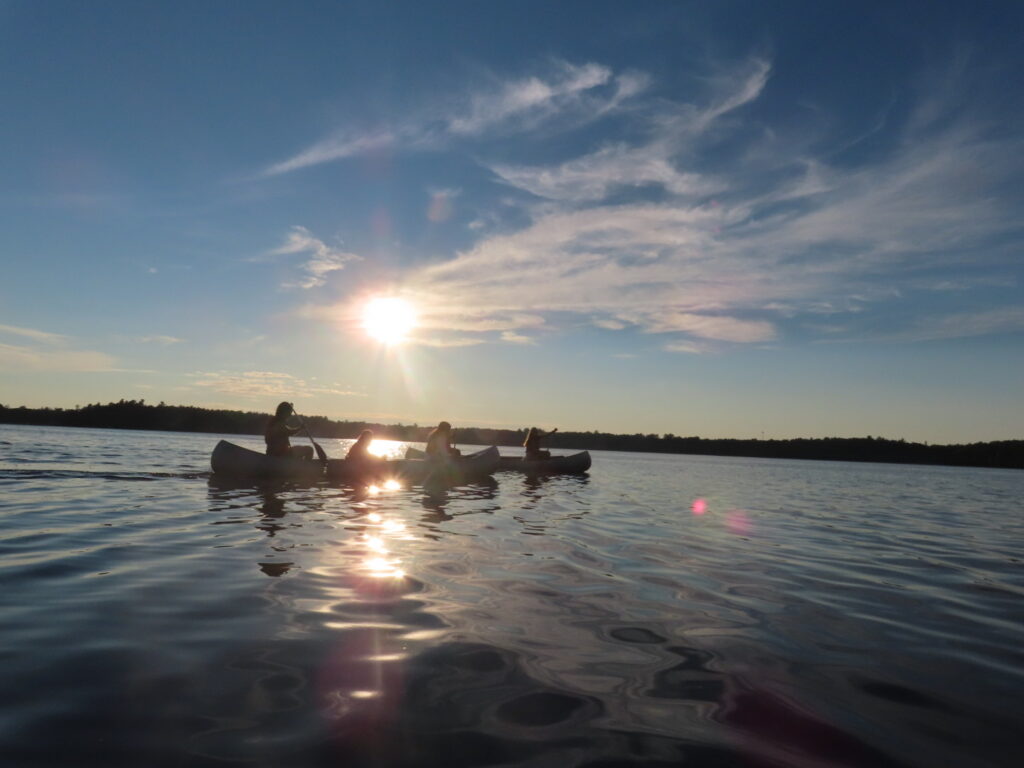 Sometimes, a place becomes part of your story.
For many of our campers, camp is a place they return to year after year. The lake looks familiar. The paths through the woods feel like home. The traditions become part of who they are. And sometimes, years later, they realize that a particular place, moment, or view helped them see themselves, and the world around them, a little differently.
Recently, Katharine B. shared the college application personal essay she wrote about her experience at camp. It is a story about a challenging season of life, a physical place that became a metaphor, and the perspective she gained along the way.
We asked if we could share it with our camp community because it captures something we hope happens here every summer: that young people have the time and space to grow, to struggle, to discover their own strength, and occasionally, to stop and take in the view.
Here is Katharine’s story.
Each summer I travel over 1000 miles to spend six weeks at a small summer camp in northern Wisconsin. The camp is surrounded on three sides by a thick forest, and a cliff juts out on the fourth side, sloping down to a small lake. A staircase winds its way up the cliff, allowing passage between the waterfront and the rest of the camp. The incline is steep and the steps are slanted and tall, requiring some younger campers to stop and catch their breath after leaving swimming lessons. Halfway up the steps is a small and unremarkable wooden platform we call the sailing deck. The deck has always caught my attention, largely for its unmatched view of the beautiful lake.
High school, like the slant of the stairs, caught me by unpleasant surprise. I was thrown into incredibly challenging classes and increasingly suffocated under piles of homework. I was working longer and harder than all of my classmates. I spent the majority of freshman and sophomore years in a state of sleep deprivation and crushing anxiety, endlessly searching for a sailing deck on which I could catch my breath. In May of my sophomore year, I was diagnosed with four ocular disorders, which explained why my pace of reading was so slow. My parents celebrated putting a name to the problem while I faced a long and uncertain path to fixing it. I walked into my first day of junior year exhausted and hopeless, desperate for an escape from the year of hell that stood on the horizon.
 As my vision therapy progressed, my peripheral vision gradually opened. At the same time, unfortunately, factors that had always been on the periphery of my life suddenly obstructed my focus and forced me to grow up faster than I wanted. In the eye of the storm, I continued to move, hesitantly at first, through the crisis that encircled me. I took on more responsibility in my family and worked harder than I ever had in my life for school. I found comfort in the steady beat that my forward movement created. I calmed myself by focusing on the small things that I could change, slowly becoming the adult that I had always dreamed of being.
In more ways than I could have predicted, the year was hell, but I had changed. I began to see the hours of work and never-ending to-do lists as a path, not to a perfect resumé, but to a better self. Though there were days that almost broke me, I continued to climb, step by slanted step, towards the future, even if my vision of it had changed. I was not pushing to reach the top; I was pushing to reach a ledge, even if only for a second, a metaphorical sailing deck.
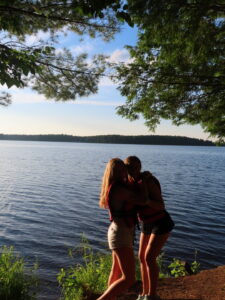
Following my junior year of high school, I returned to camp, walked up the flight of stairs to reach the sailing deck, and gazed out across the lake. On that ledge, I found myself amazed at how much farther and how much clearer I could see. I saw the lake, I saw the world, I saw how far I had come, and in my periphery I saw the steps. I understood then that everything I had gone through had cleared my vision of the world around me. I grabbed my bag and started up the stairs again, maybe not to reach the top, but to reach some other ledge with an even more spectacular view.
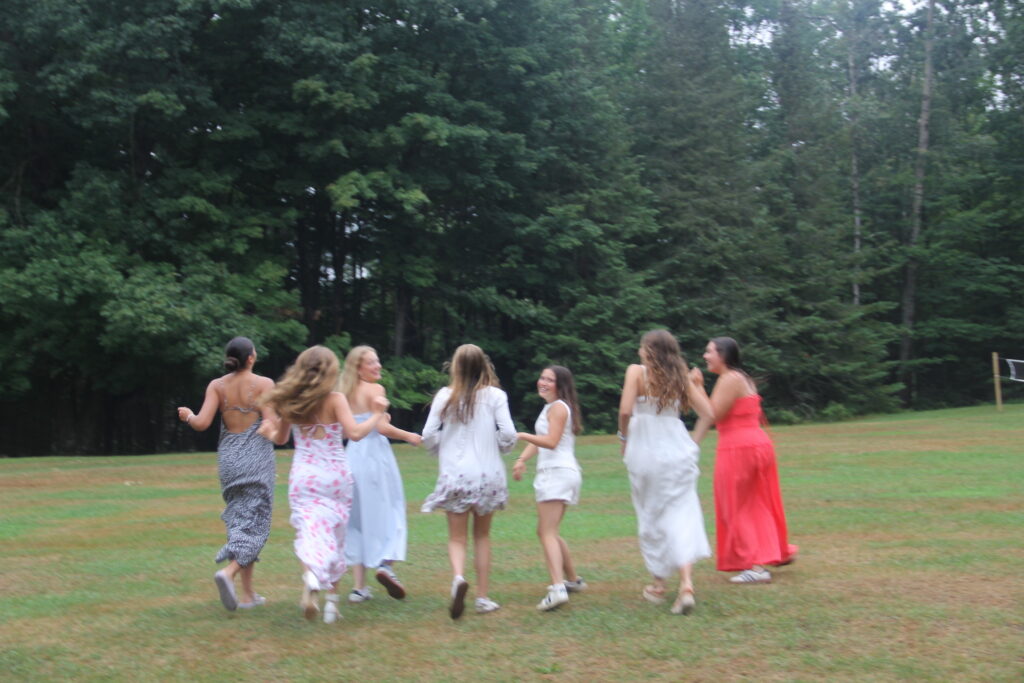
We love that the sailing deck became part of her story.
Not because every camper will leave camp with the same experience, or the same metaphor, but because every young person needs places where they can pause, catch their breath, look around, and notice how far they have come.
Sometimes growth happens in big, obvious moments. More often, it happens quietly: in the friendships that deepen, the responsibilities a camper learns to carry, the problem they figure out without an adult stepping in, or the moment they realize they can do something today that felt impossible a year ago.
And then, every once in a while, they look out across the lake and see things a little more clearly.
That is one of the gifts of camp we hope our campers carry with them long after summer is over.
Friends Camp, Not a Stuff Camp
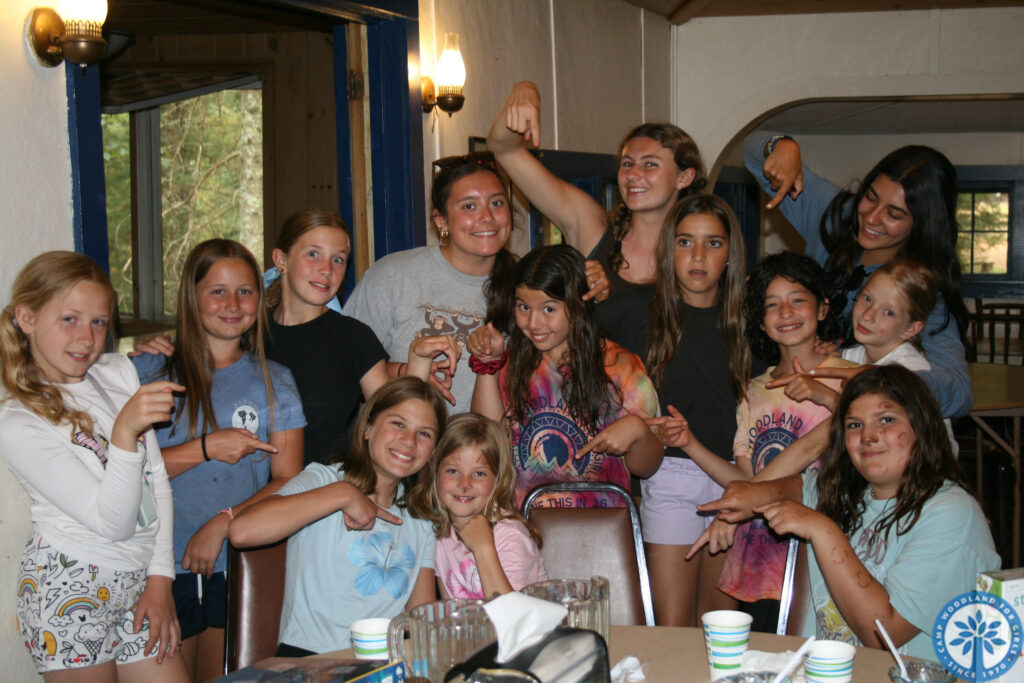 Every once in a while, someone says something that makes you stop and think, “Yep. That’s it.”
That happened this summer during one of the tours we had at both Camp Woodland and Towering Pines. A family was visiting with their son and daughter, walking around, looking at the cabins, checking out the waterfront and getting a feel for camp. They saw a lot in those few hours, but when they left, they summed up what they had noticed in a few simple words:
“You are a friends camp, not a stuff camp.”
Bam. Right on the nose.
Sometimes the idea is right in front of you, and it takes someone seeing camp for the first time to put it into words.
What had caught their attention wasn’t a particular activity or a fancy facility. It was the kids and staff. They noticed that the campers and counselors were just plain nice. They were friendly with one another. They talked to each other. They laughed together. They seemed comfortable being themselves. And the family drove away thinking, “This is where our kids are going to make friends.”
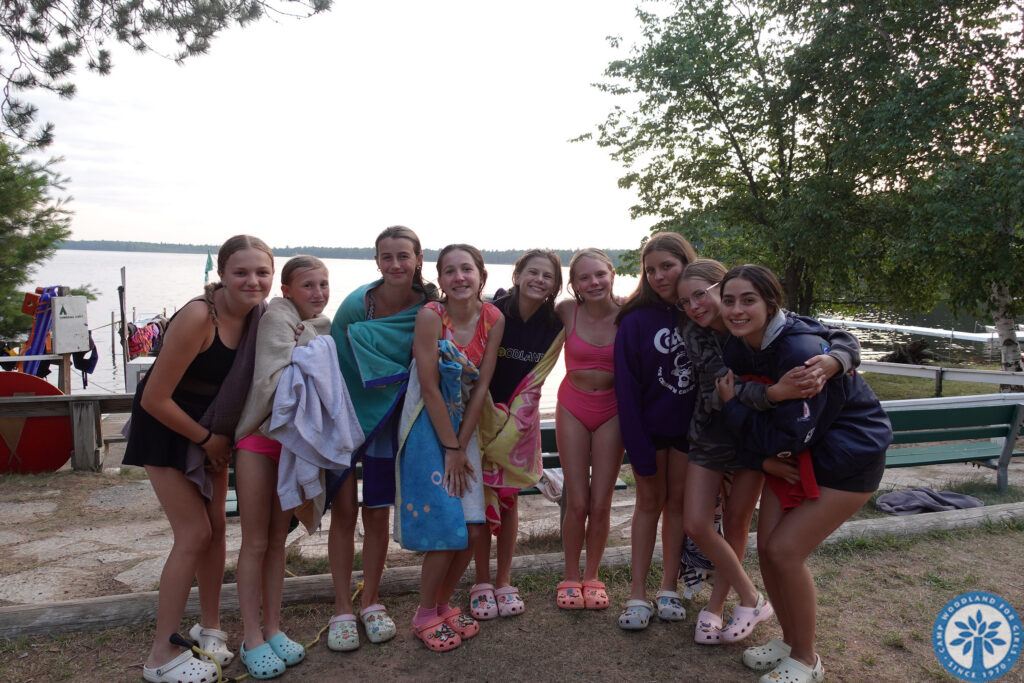
Not just summer friends, either. The kind of friends who know you well. The kind who cheer for you, look out for you, laugh with you and pick up right where they left off the next summer, even when there are hundreds of miles and months in between.
Don’t get us wrong. We have plenty of stuff at Woodland and Towering Pines, and it’s good stuff. We have beautiful lakes, sailboats, canoes, crafts, sports, fields, cabins, dining halls, campfires and all sorts of things to keep kids busy and engaged. We love all of it.
But the stuff has never really been the point.
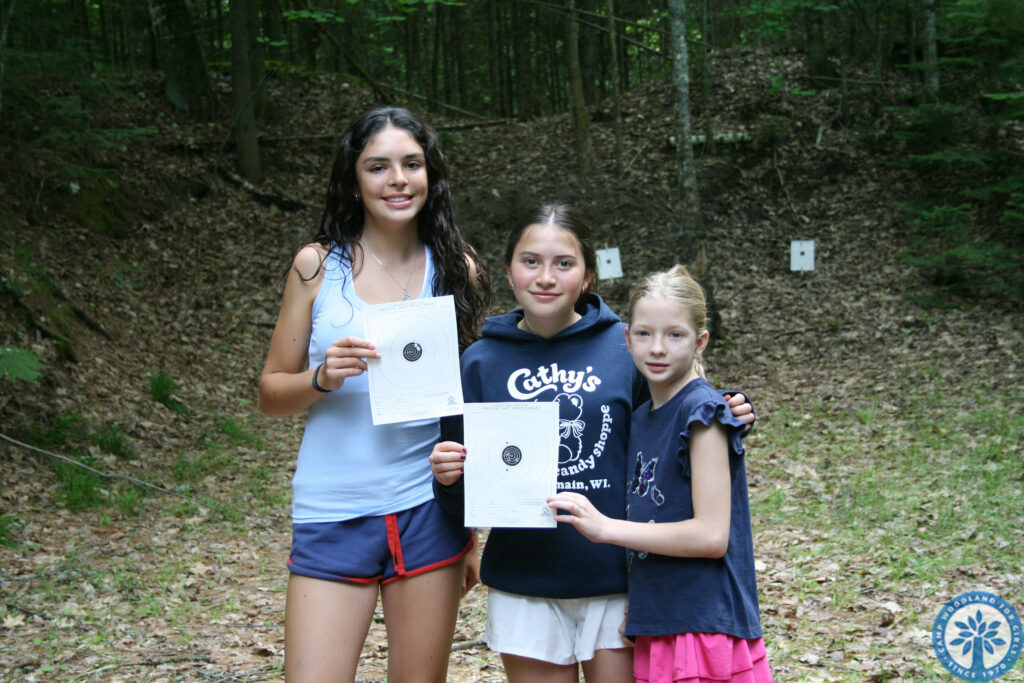
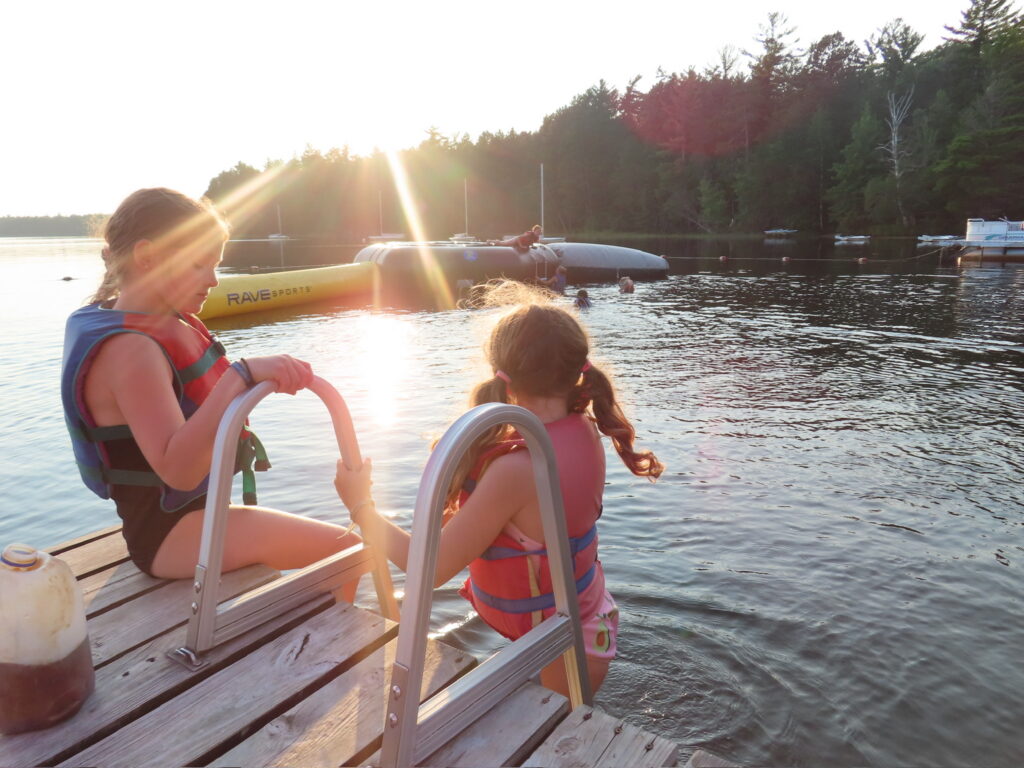
The lake is better when there is a friend in the next canoe or sitting beside you on the same sailboat. Crafts is better when you can sit around a table and talk with the kids next to you, whether they are your age or five years younger. The dining hall is better when your whole cabin group and counselors are sitting together for three meals a day, telling stories and laughing about whatever happened that morning.
Olympics is better because you know the people on your team. You remember who used the most body paint, who kept everyone laughing, and who was cheering louder than anyone else. You find yourself yelling for people you might not have known a few weeks earlier as if you’ve known them forever.
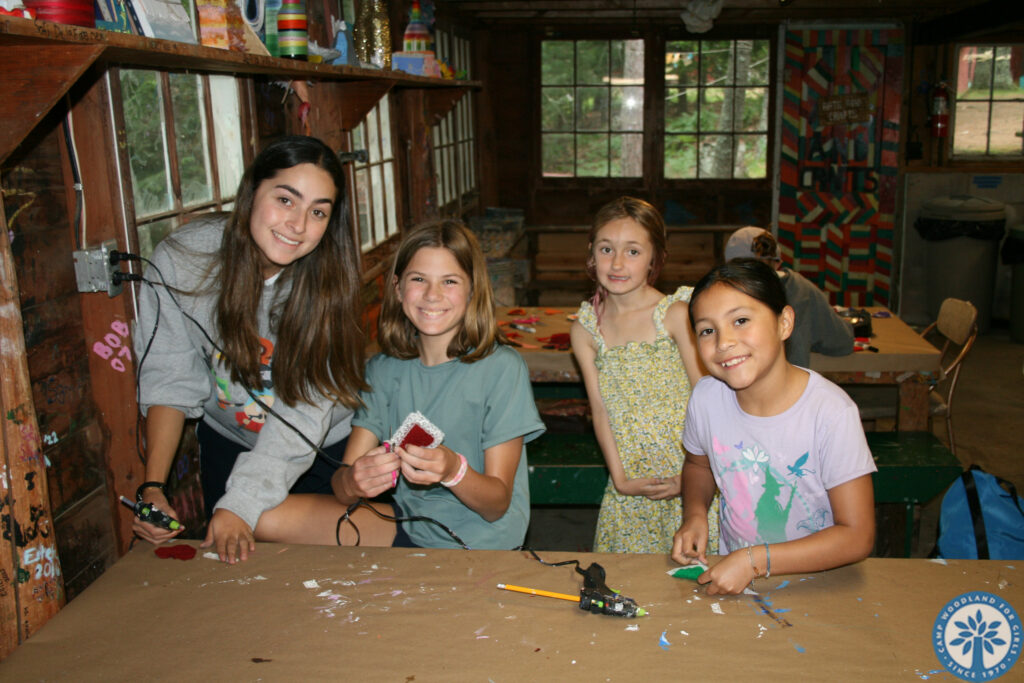
And then there are those last days of camp.
By then, nobody really cares about the stuff anymore. The lake, the crafts, the games and the activities have done their job. They gave us places to go, things to do and reasons to spend time together.
Now we’re sitting next to people we don’t want to say goodbye to.
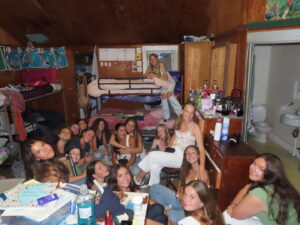
There are hugs. There are tears. There are promises to write, call, text and see each other again. There are kids and staff who are absolutely certain that summer cannot possibly be over because they aren’t ready to leave their friends.
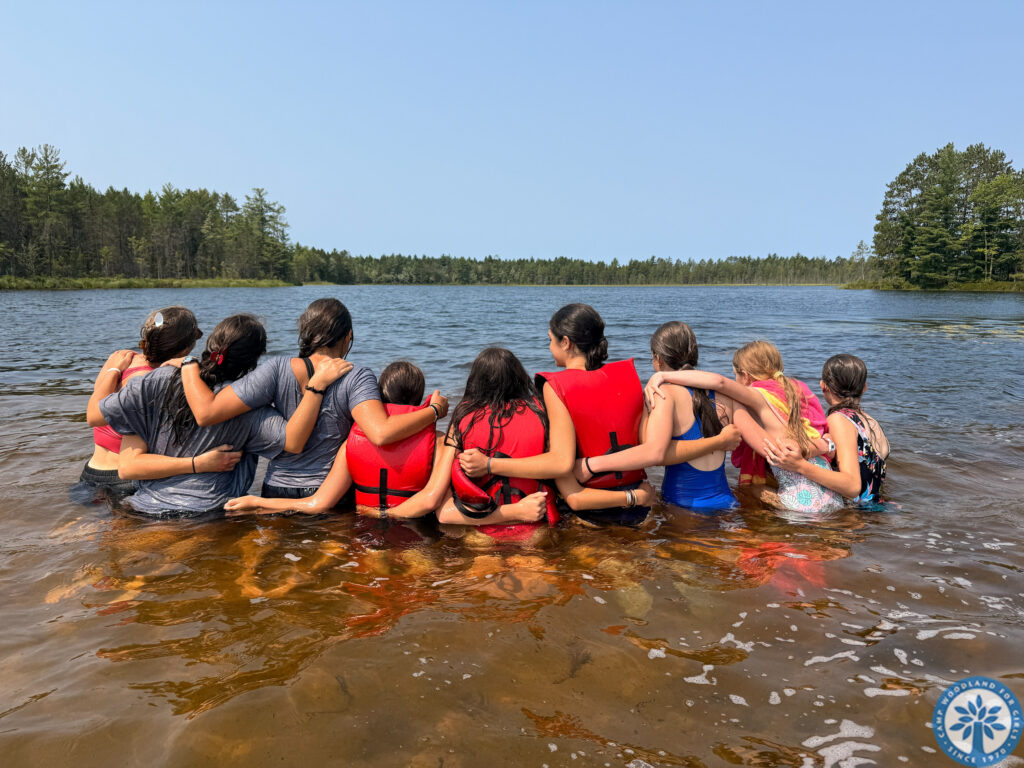
That’s the good stuff.
So when we think about who we want Woodland and Towering Pines to be, maybe that family’s simple words say it better than we ever could.
A friends camp, not a stuff camp.
We have a lot of wonderful stuff at camp. We always will. But we hope that years from now, when our campers think about Woodland or Towering Pines, they don’t remember just what they did.
We hope they remember who was standing beside them when they did it.
Because that’s the stuff that lasts.
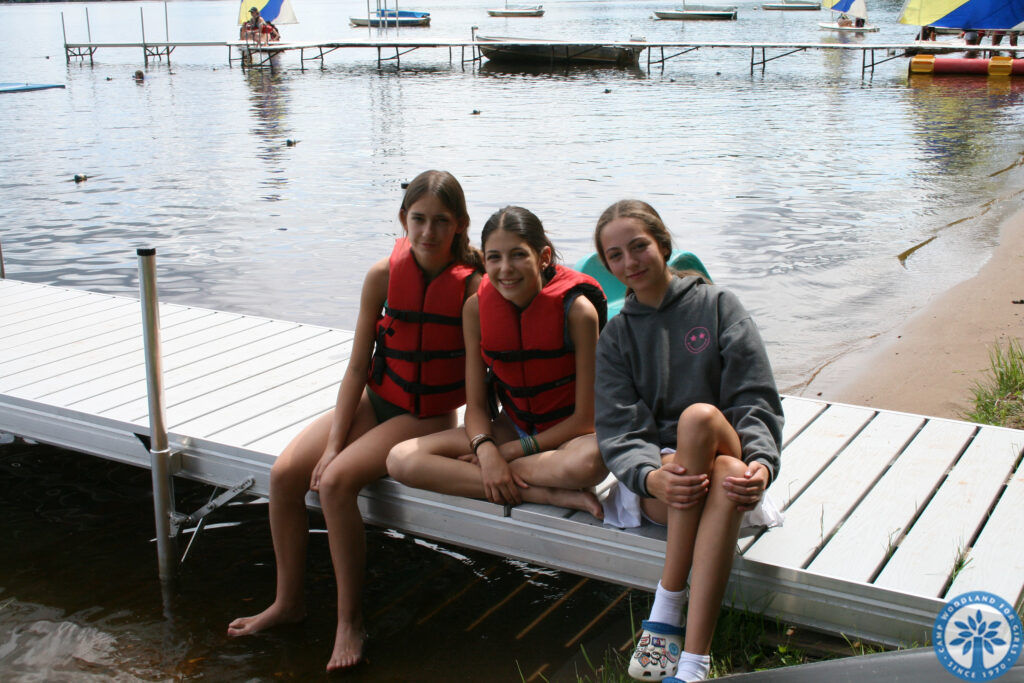
From Campers to Celebrities: Coed Show Magic
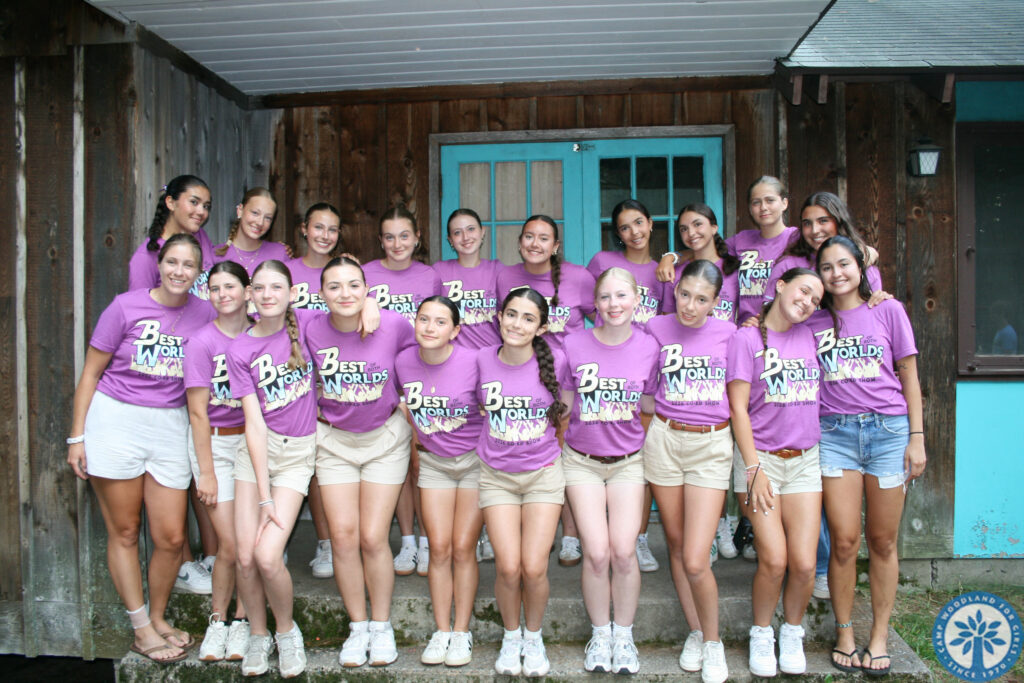
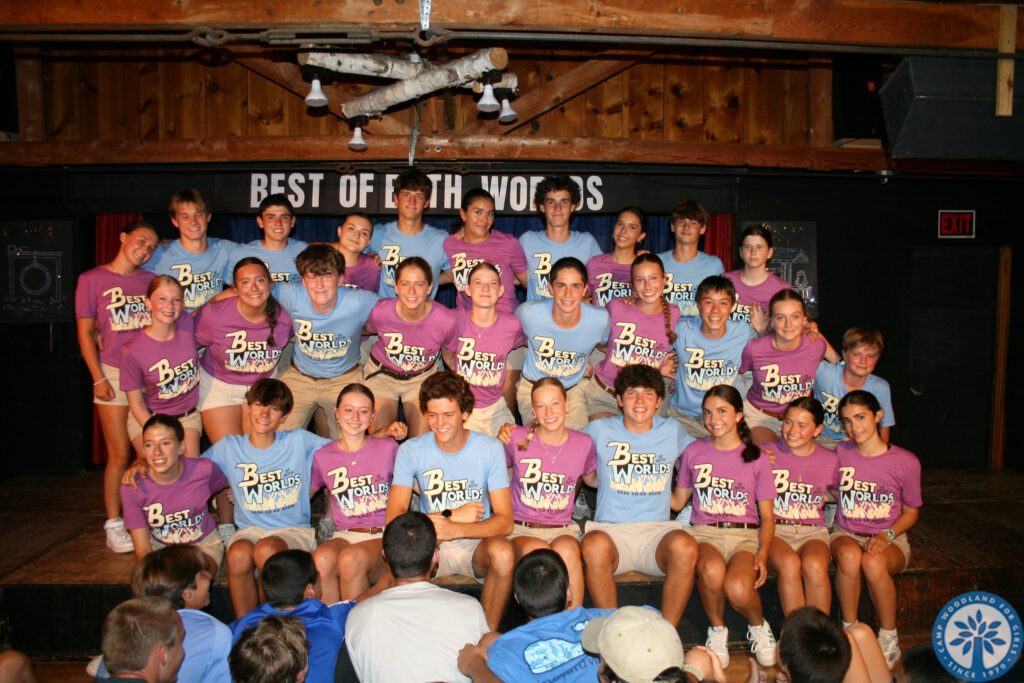
Now that Labor Day is behind us and summer is winding down in a big way, we find ourselves thinking back to Parents Weekend and the weeks leading up to it. There is something pretty special that happens during the final weeks of summer at Woodland and Towering Pines. While most campers are enjoying the familiar rhythm of camp, our oldest campers, the CITs, are working behind the scenes to create one of the most anticipated traditions of the summer: the Coed Show. Many of you have witnessed it firsthand because you have a camper who is a CIT or you join us for Parents Weekend. And some of you have probably been part of the Coed Show yourself during your era at camp.
Organized Chaos
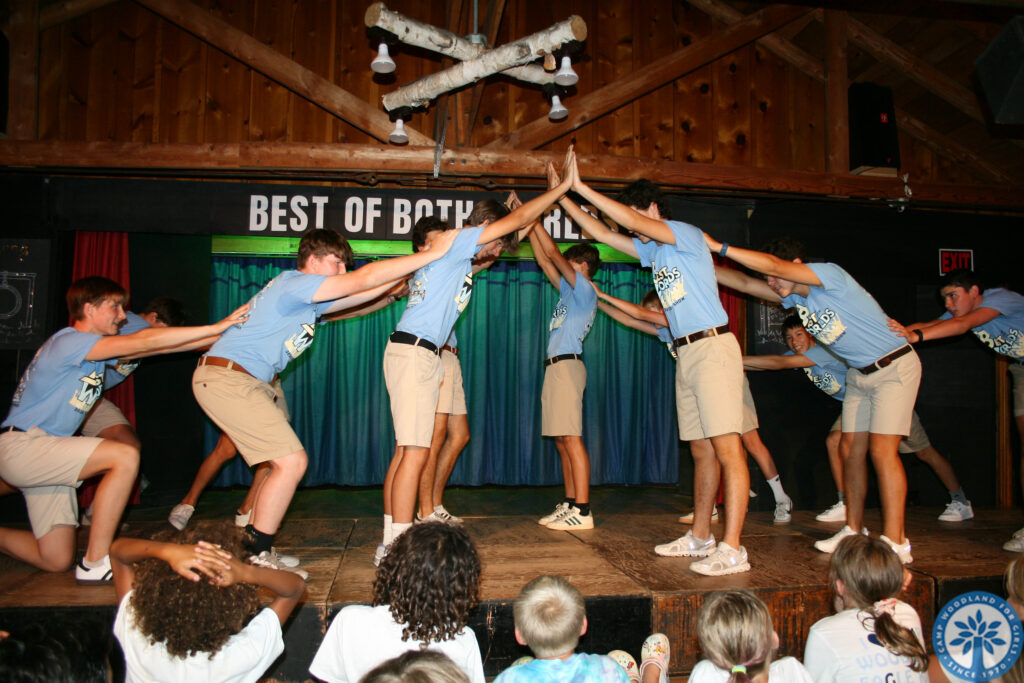
It is pretty amazing, actually, to watch a few weeks of rehearsals, creativity and more than a little chaos come together as a full-blown production. For nearly three weeks, CITs from both camps work together to bring the show to life, taking familiar songs and giving them a new twist with rewritten lyrics, choreography, staging, props, coordinated T-shirts and plenty of lines to learn. By the time it takes the stage, all of those pieces have come together to create something that is uniquely the Coed Show.
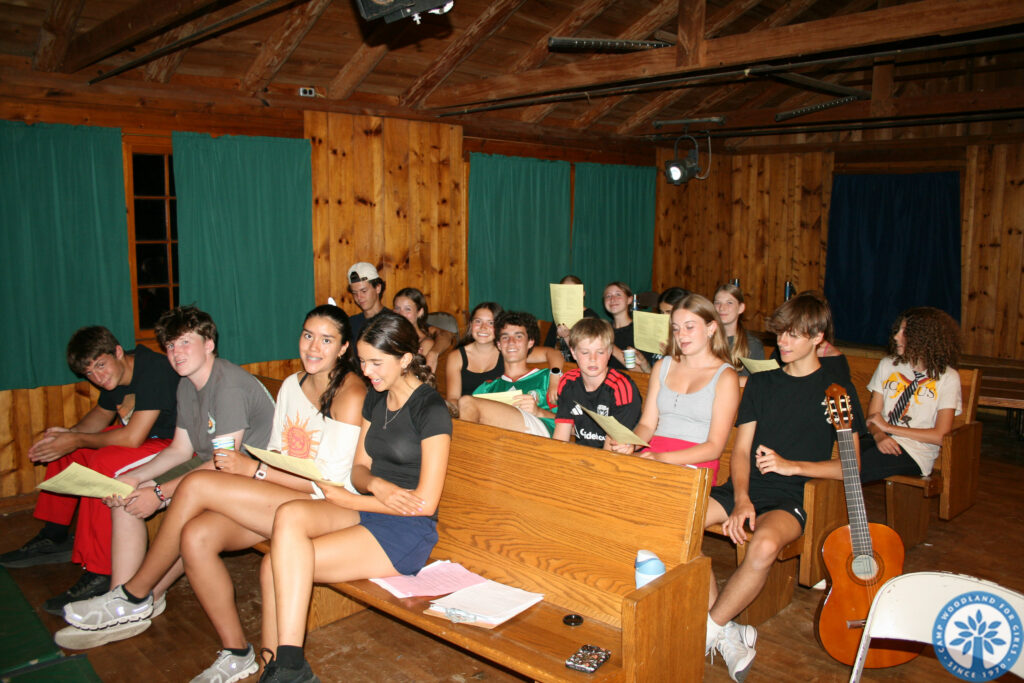
Sing. Dance. Repeat.
What starts with singing through songs again and again in the Woodland Rec Hall eventually moves to the TP Rec Hall, where the group learns dances and staging. At the same time, the gals and guys find every spare moment they can to rehearse their individual numbers, whether during rest hour, in an activity where many of them happen to be gathered, or while getting ready for lights out. By the final week, all of those pieces come together for two performances, one for campers and one for parents.
It’s About Belonging
The Coed Show is about much more than singing and dancing. At an age when fitting in, finding your people and knowing where you belong can feel especially important, it gives our oldest campers an automatic community and a shared purpose. They know what their friends are doing, they have a role to play, and they are working toward something together. Even campers who would never choose to sing or perform at home often discover that camp makes it different because the focus is not on being a performer. It is about being part of the group.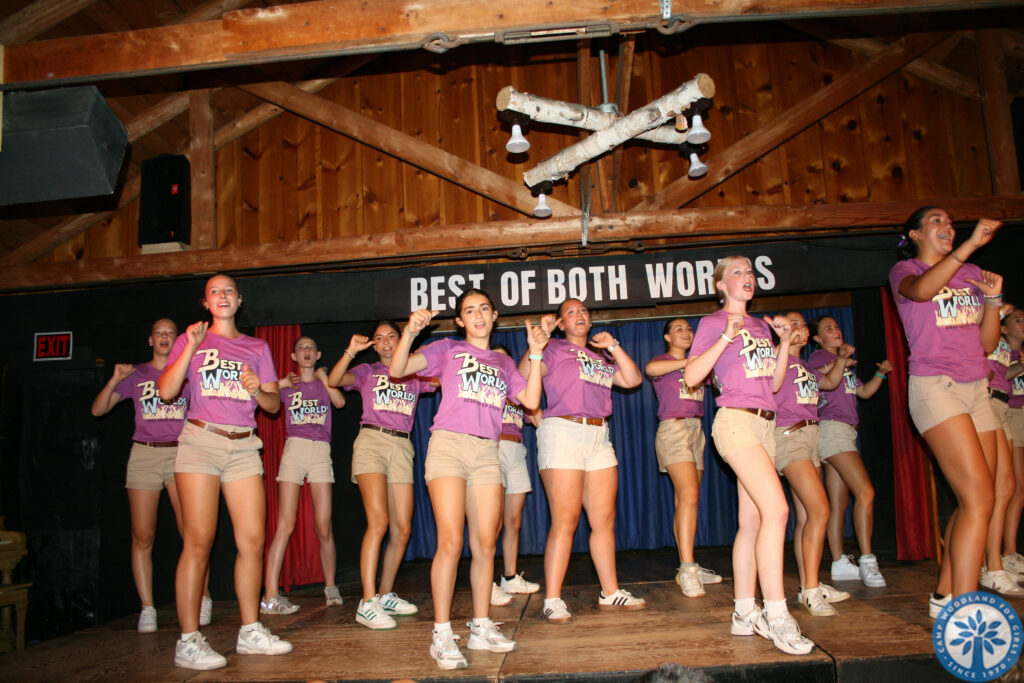
Coed Show Glow
There is a certain amount of “celebrity” status that comes with being a CIT and part of the Coed Show, and that can be a pretty fun part of being one of the oldest campers. The younger campers look up to the CIT’s all summer, and the Coed Show seals the deal. There are definitely thoughts about being a CIT and in the Coed show one day. More importantly, though, the experience gives the oldest campers a chance to belong to something special and uniquely theirs. They work hard, laugh a lot, learn to depend on one another and, by the time the curtain goes up, they have created something that could only have happened because all of them were there.
That is one of the things we love about camp. Sometimes the most meaningful traditions are not just about what happens on stage. They are about the friendships, confidence and sense of belonging that grow through the process.
Tradition Across Generations
There is also a special invitation extended to Coed Show alumni in the audience each year to join in the traditional slideshow songs, often including “At the Beginning.” It is one of those moments that connects generations of campers and reminds everyone that they are part of something that stretches beyond a single summer.
➡️ We invite you to SAVE YOUR SPOT for 2027 (if you haven’t already) – we will be opening up spots for new campers SOON! Thank you!
What Camp Teaches That High School Doesn’t
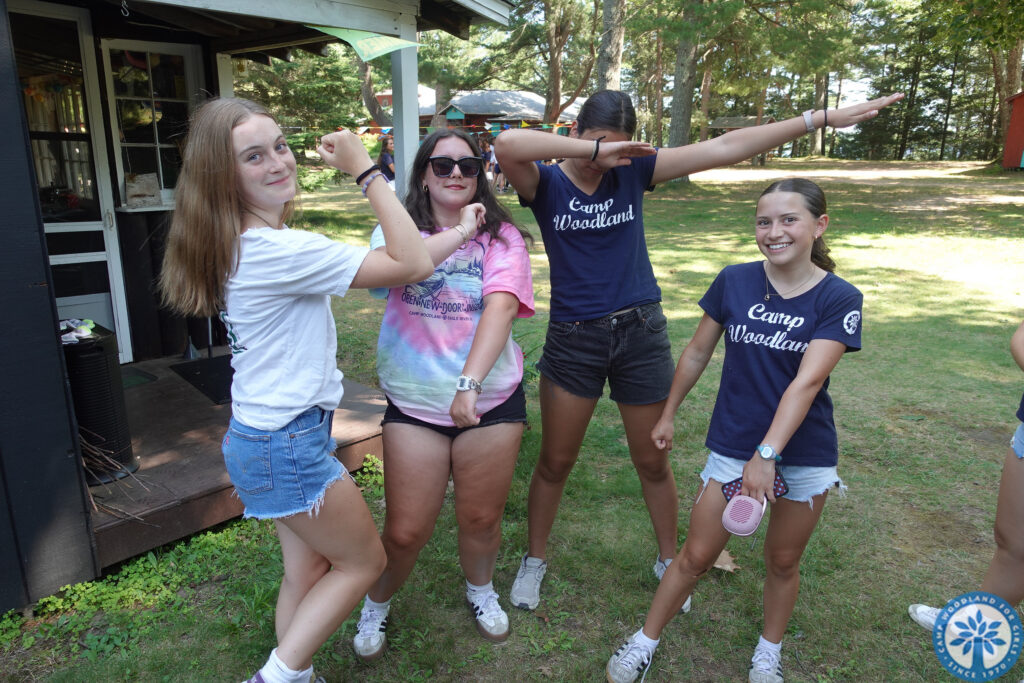
High school is full of structure – bells ringing every 45 minutes or so, assignments with rubrics, and a whole lot of emphasis on grades, ACT/SAT scores, and résumés. Camp is the opposite. It is chaotic, unscripted, and full of unexpected lessons that prepare campers for life in ways school never do.
- People See You Differently Without Labels
In high school, students are defined by their schedule or extracurriculars. You’re known as the athlete, the overachiever, the quiet one. At camp, none of that matters. No one is expected to fit a mold. That change in environment lets youth figure out who they are without trying to meet other people’s expectations.
- Being Offline is a Game-Changer
At camp, phones are off and completely out of sight. That means no group chats, no endless scrolling, and no comparison traps. Instead, campers have actual conversations, sit in silence, and got comfortable just being where they are. It’s mind blowing how much noise we get used to – and how valuable it is to disconnect once in a while.
- Teamwork Looks Different Outside the Classroom
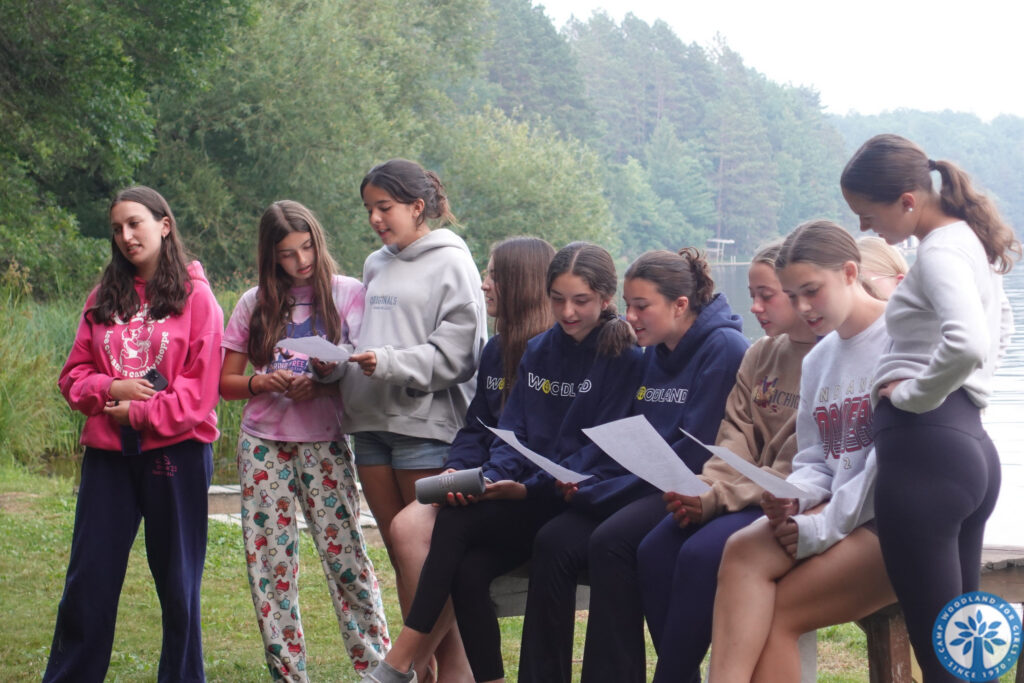
Group projects at school are usually about dividing work and getting it done. At camp, teamwork means real-time problem-solving – planning a Sunday event together, helping someone through a tough day, or figuring out how to make the most of a rainy afternoon. There are no roles or titles – just a shared goal and a bunch of trial and error.
- Leadership Isn’t About Being in Charge
At camp, leadership shows up in small moments: helping a homesick camper, stepping up when things weren’t going smoothly, or just being someone others could count on. It’s not about being the loudest or most experienced. It’s about showing up and doing what needs to be done.
- Confidence Comes from Doing, Not Just Achieving
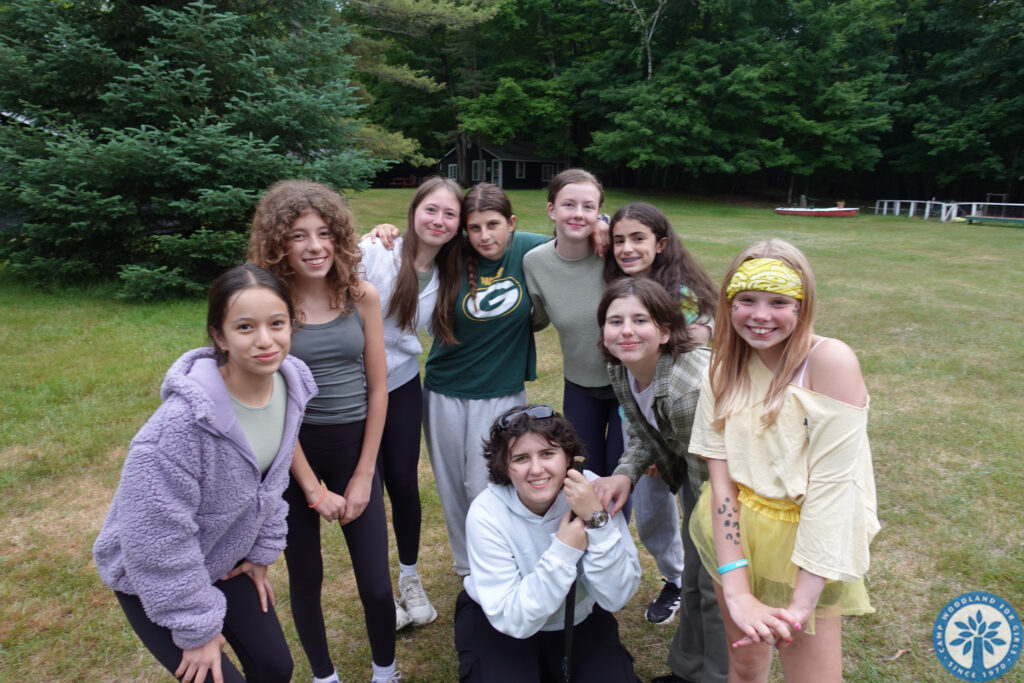
In school, confidence is often tied to things like grades or acceptance letters. At camp, it comes from doing things that seem out of reach – leading a group, navigating a hike, solving problems on the fly. No one hands out awards for those little moments, yet those experiences give a quiet kind of confidence that sticks (and more times than not someone notices and says something).
- There is Much Needed Space Just to Have Fun
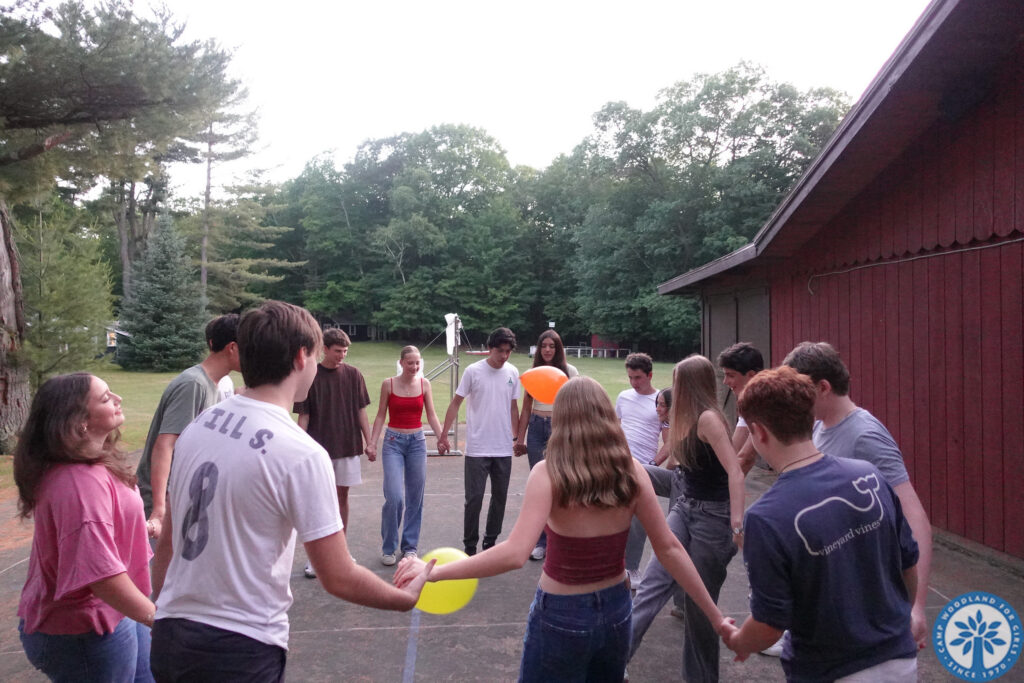
Between deadlines, exams, and college applications, high school doesn’t leave much room for just having fun. At camp, fun isn’t a side activity – it is part of the culture. Playing games, making dumb jokes (that turn into inside jokes), getting messy – it’s a good reminder that not everything has to be productive to matter.
- Graduating Seniors are More Ready for What’s Next Than They Realize
Camp is an ecosystem to practice a lot of the things post high school requires: living with strangers, being responsible for yourself, dealing with uncertainty, and figuring stuff out as you go. It helps build independence and resilience without even realizing it. When that next thing comes along, former campers typically don’t feel completely lost – they have already learned how to adjust to a new environment and take care of themselves away from home.
Final Thoughts
High school provides the foundation – study habits, deadlines, structure – but camp gives the tools to handle the unpredictable parts of life. It’s where emerging leaders learn how to work with all kinds of people, step up when it matters, and stay calm when things don’t go as planned.
Campers don’t come back from camp with a certificate or a grade, but they will return more capable, more self-aware, and more ready for what’s next. That kind of learning doesn’t show up on a transcript – but it shows up everywhere else.
Adapted from summer 365 blog posted in December 2025.
SUMMER 2026
Now is a GREAT time to enroll your camper/s for 2026 and reserve your spot/s: https://cwtp.campbrainregistration.com
We are VERY EXCITED about the upcoming summer where we will “Imagine This in ‘2-6!”