

Category: Uncategorized
A Toast to the Woodland Staff
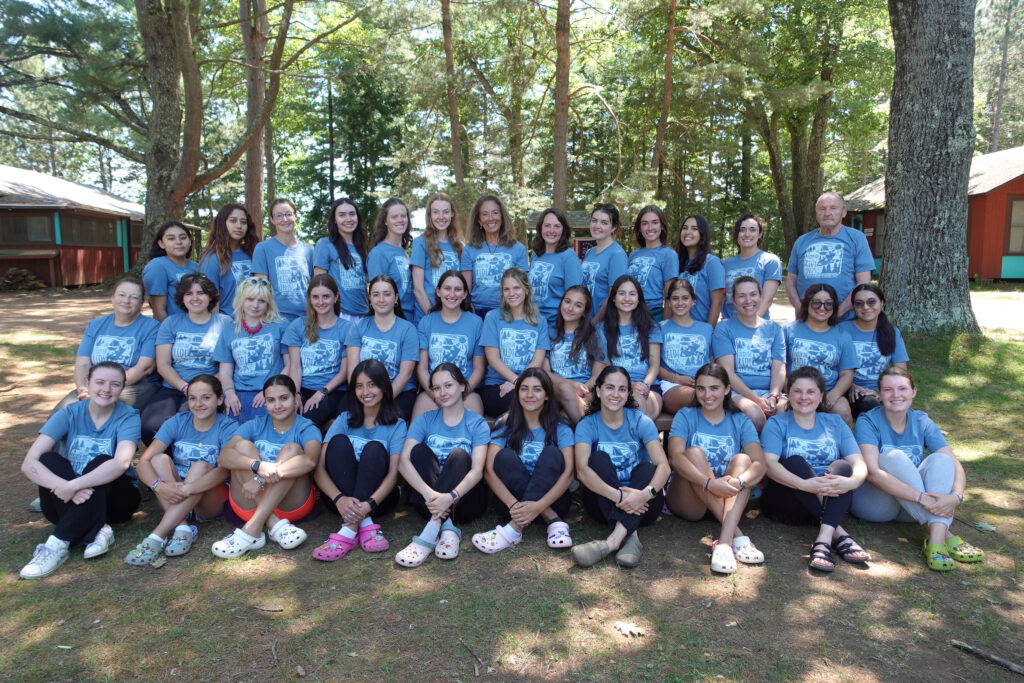
The summer is now over and camping days are through;
We’d like to express our appreciation and say THANK YOU!!!
For the many times you lent a camper your helping hand;
For Lip Sync and Song Contest tirelessly you did plan.
*****
For tucking campers into bed each and every night;
And helping them to overcome a small or large and scary fright.
For repeatedly singing all those crazy camp songs;
Or just helping girls try to get along.
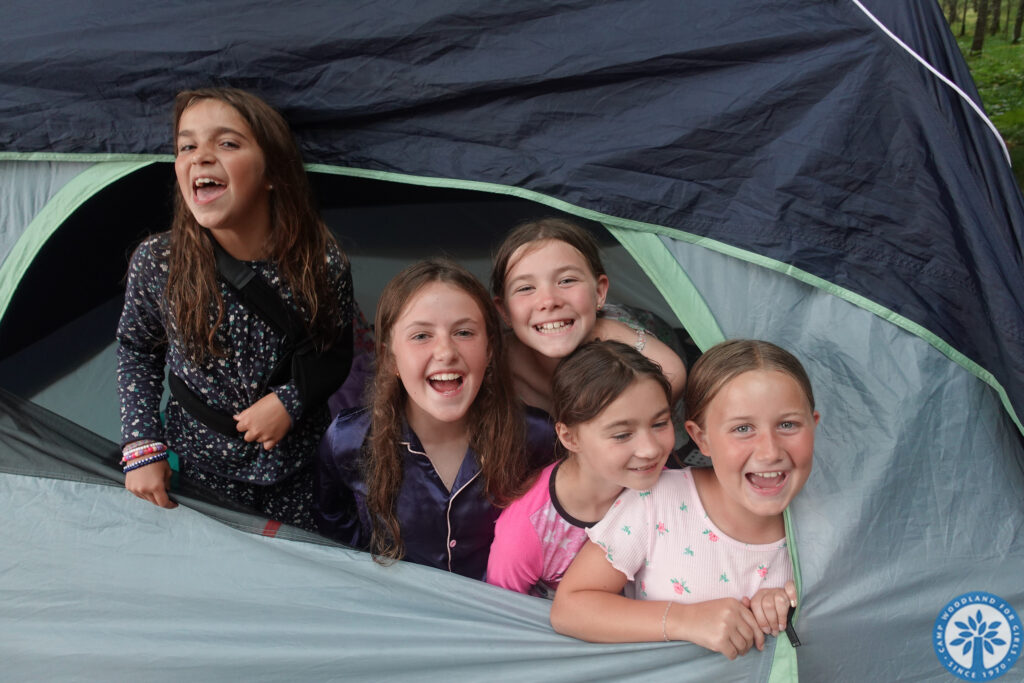
For taking campers on really awesome canoe trips;
And teaching girls to ride and giving them tennis tips.
For searching high and low for a gold painted rock;
Or helping campers dive from Woodland’s very own dock.
*****
For going along to Cathy’s and eating a scoop or two;
(A counselor’s example is something important to do!)
For the spirit displayed at Olympics and Saturday night shows;
The difference you made? Sometimes you’ll just never know!
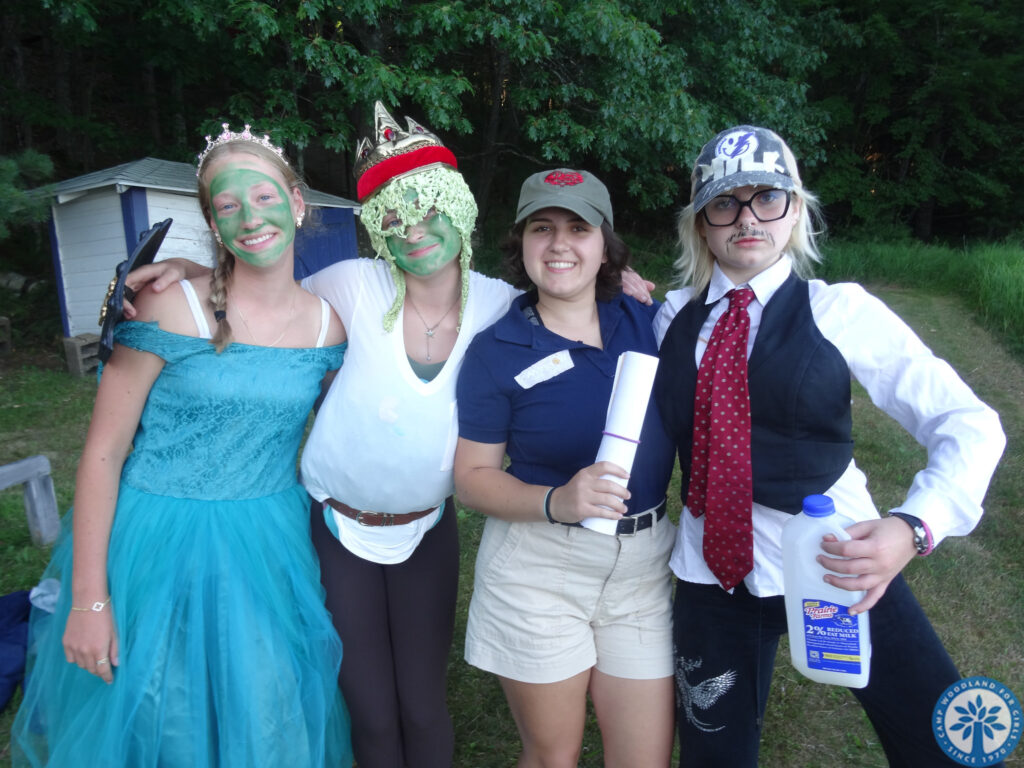
For zany campfires and wild things done to your hair;
For all the little things you do to show you really care.
For being hostess, making coffee, and just being on the ball;
For putting your arm around a child, a simple gesture says it all.
*****
We hope that you enjoyed the adventure and ride of ‘2-5;
Because of our super star counselors & staff, campers did more than thrive!
So here is a toast for everything you do;
From the bottom of our hearts we say THANK YOU!
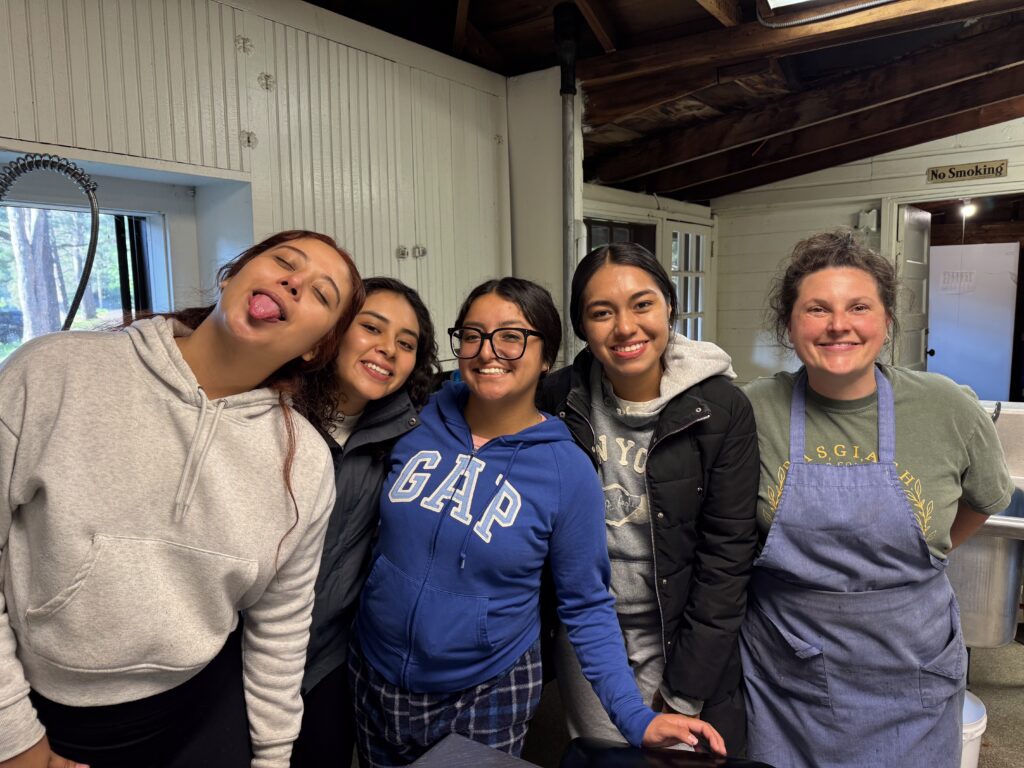
From taco bar to lasagna, we had amazing food to eat;
Brittnie, Kristin, and the kitchen staff work hard to keep us on our feet.
Salad bar, evening snack, birthday cake, cookies and more;
Paty, Incy, Merari, and Karla, it is all of you we adore!
*****
This was year forty-one for Chet, and he knows a ton;
At the dumpster, unfortunately, the raccoon definitely won!
Nicole our camp nurse and hula hooper of the year;
We are grateful for her smile and words of good cheer.
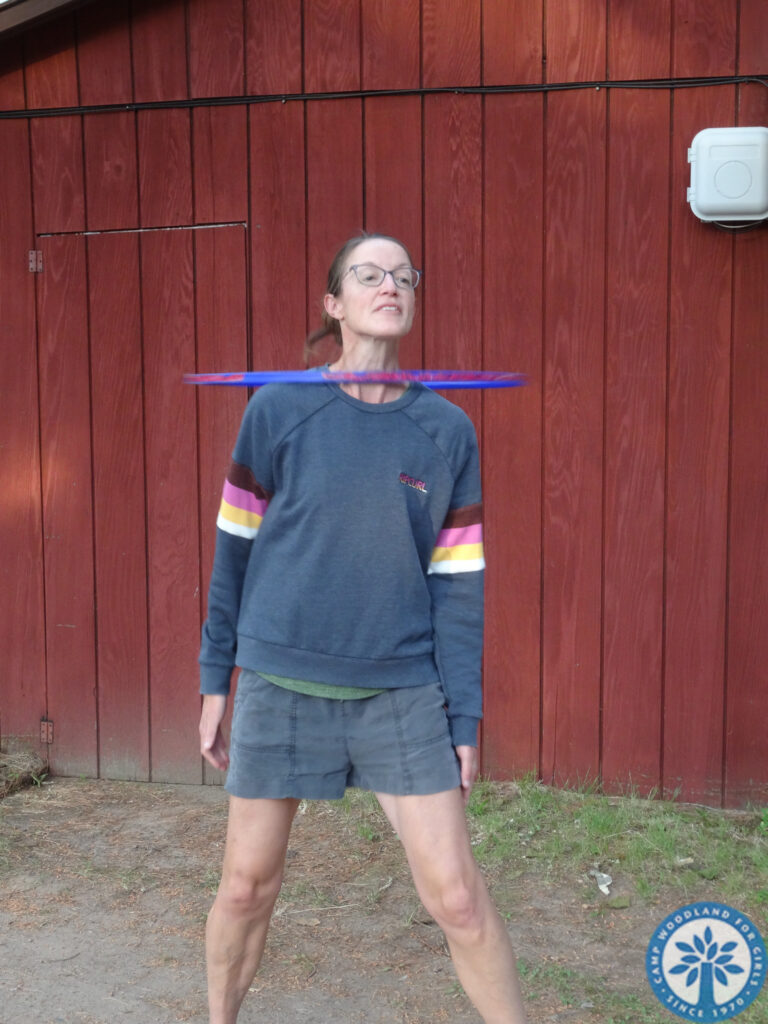
Maria takes the little ones to activities when the bell rings;
Overnights across the lake with Estefi – dip, dip and swing.
Kelly is the queen of the barn for riding is where she can be found;
Kevin is a guy about camp – anywhere you need him, he is around.
*****
Sophia has “campers” at the Zoo and barn you know;
Miranda teaches archery & crafts and brings a smile wherever she goes.
Isa dons her suit and carries a rescue tube most of the day;
This terrific trio has fun with Silver Birch and everything they play.
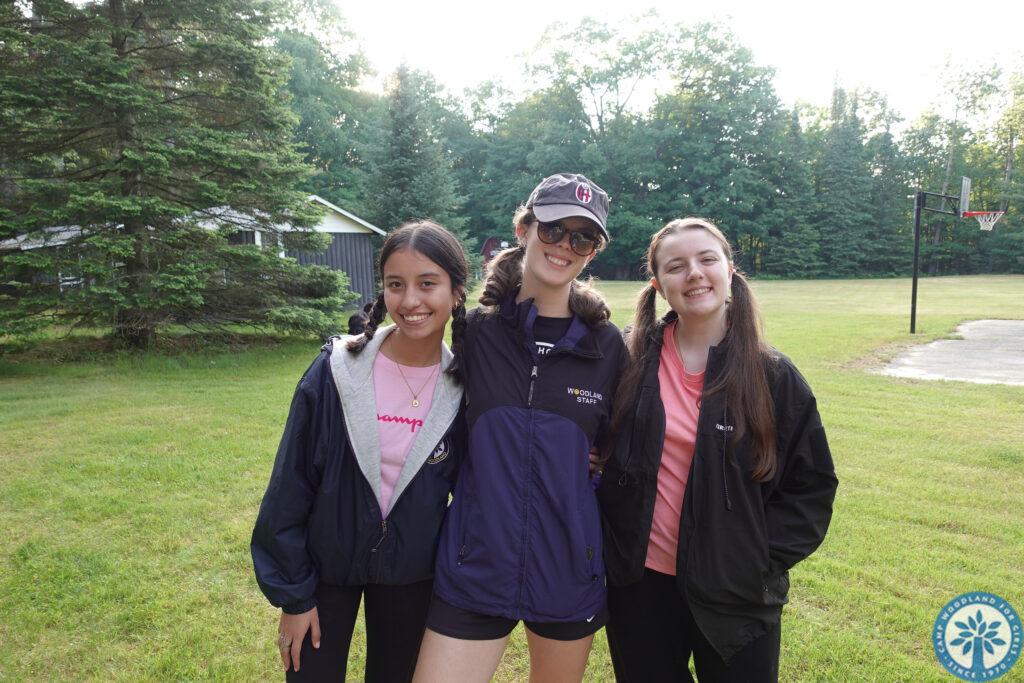
Irene hits a ball with a racket and a target using a gun;
Lucia is at the lake, courts, or crafts – together they make Sunrise lots of fun.
Lou (DW 1) spends her most of her time stringing bait or bows;
Dani D (DW 2) gets her jam on the courts or at crafts down below.
*****
Sophia G can be found with a racket, paintbrush, or chick in her hand;
Declan, drama and dipping paddles makes Lizzy’s day grand.
Sof captures camp memories and her 2nd home is the Rec Hall;
Sunnyside often goes without water and has a broken tetherball.
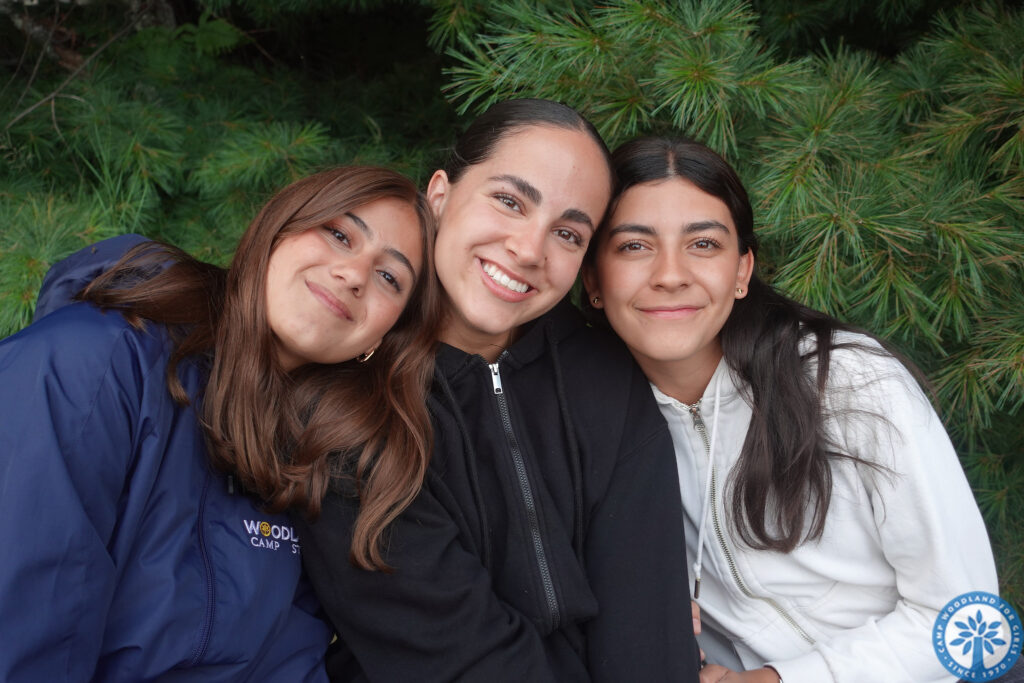
Dani G rocks the lake and gives sailing and swim her all;
Molly is at the beach or range and on her you can always call.
Cuau spends her day at the barn for it’s horses she loves;
Tamarack will go down being notorious for shenanigans with gloves.
*****
Isabella teaches girls to swim, memorize lines, and hit some high notes.
Maria, the other half of Treetops, is always at the beach but rarely on a boat.
Adri can flip, hit, or sail while from the barn to the lake Tess does go;
Why the Hilltop girls are always singing (and plunging!), we will never know.
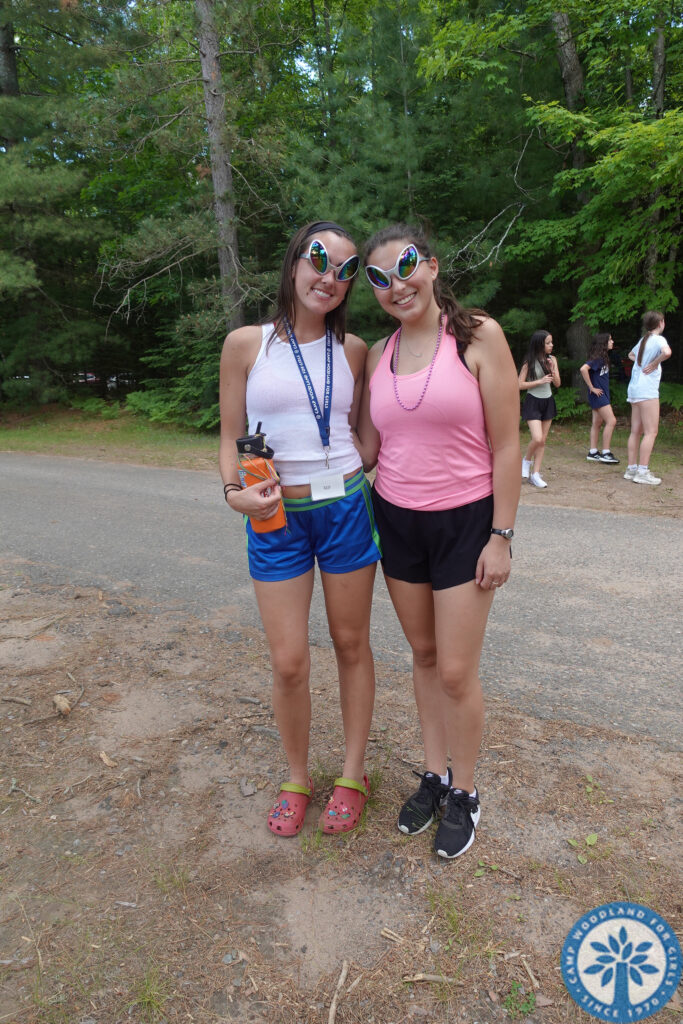
Xime and Izzi summon Zulu and are the sailing goddesses of Sand Lake;
Keeping track of and guiding the CIT’s is certainly no piece of cake!
Calla does scheduling and program notes so we know what is coming next;
Lee manages projects, tasks, and people like a pro – what do you expect?
*****
Jackie communicates on WhatsApp and keeps us in the know;
JoAnne loves camp more than anything, it is absolutely so!
For all this and more we thank-you for everything you’ve done;
Without you at Woodland, summer days wouldn’t have been as much fun!
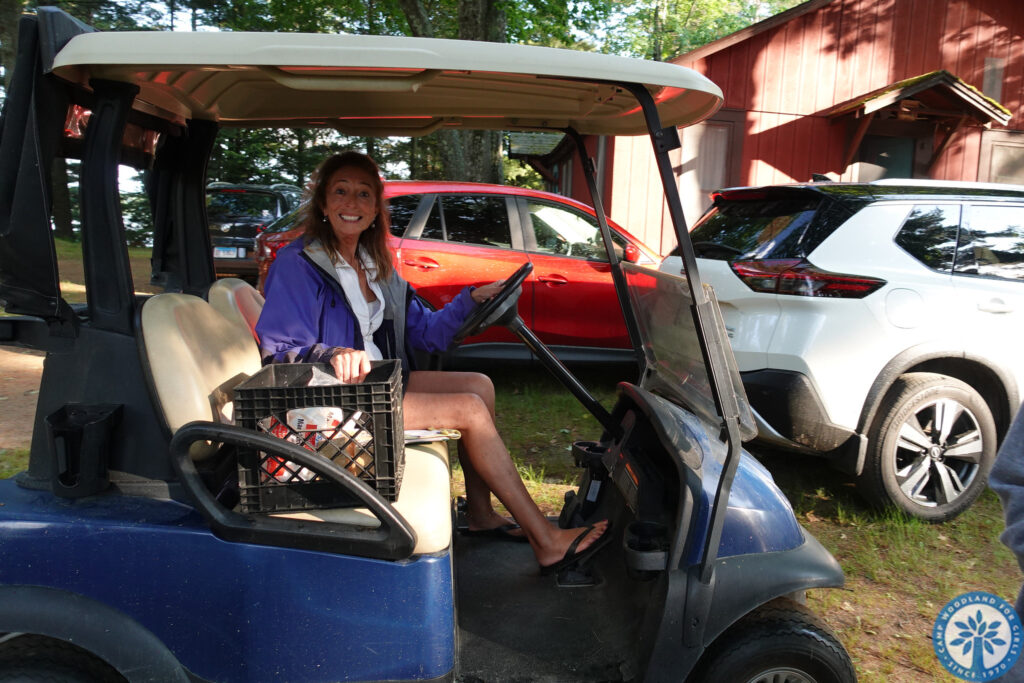
Woodland Spirit is With You Always
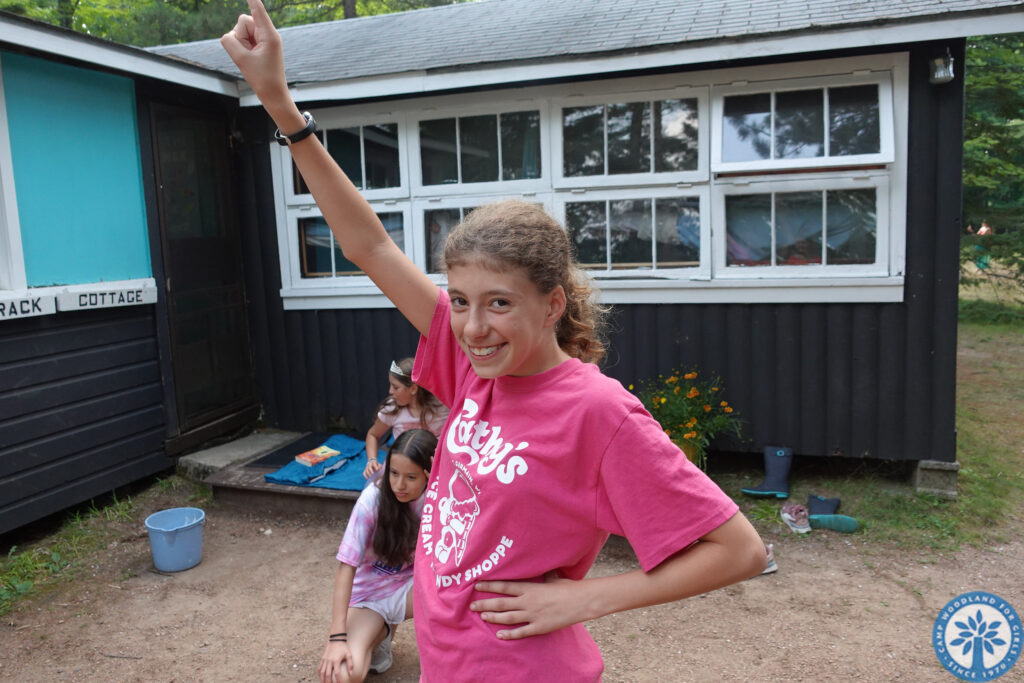
With our 2025 camp season having come to a close, we want to thank everyone who helped make it so wonderful. After all, it’s the people of camp— the counselors and supporting staff, and of course our amazing enthusiastic campers —who create the special experience we all enjoy. It’s the people who are kind and caring, supportive and encouraging. It’s their friendly attitudes, their “peaceful, easy” approach to just about everything, that color our camp days. Together we found a spirit that propels this community to do more, experience more, and enjoy more.
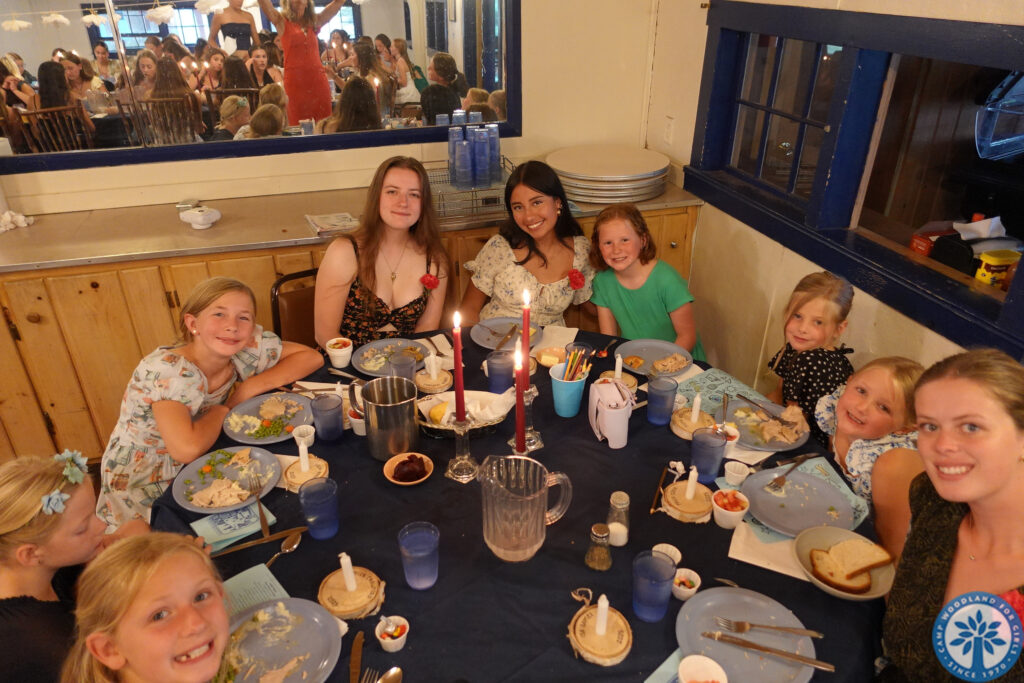
At our closing banquet and candlelight ceremony, we were reminded of how life at camp means so much. It is evident that campers discovered new interests, formed really close friendships, and feel completely at home at Woodland. Staff members also expressed their gratitude for being at camp, and for having the opportunity to know so many great people and impact the young people in our care. It’s remarkable how close we’ve all become over these past six weeks.
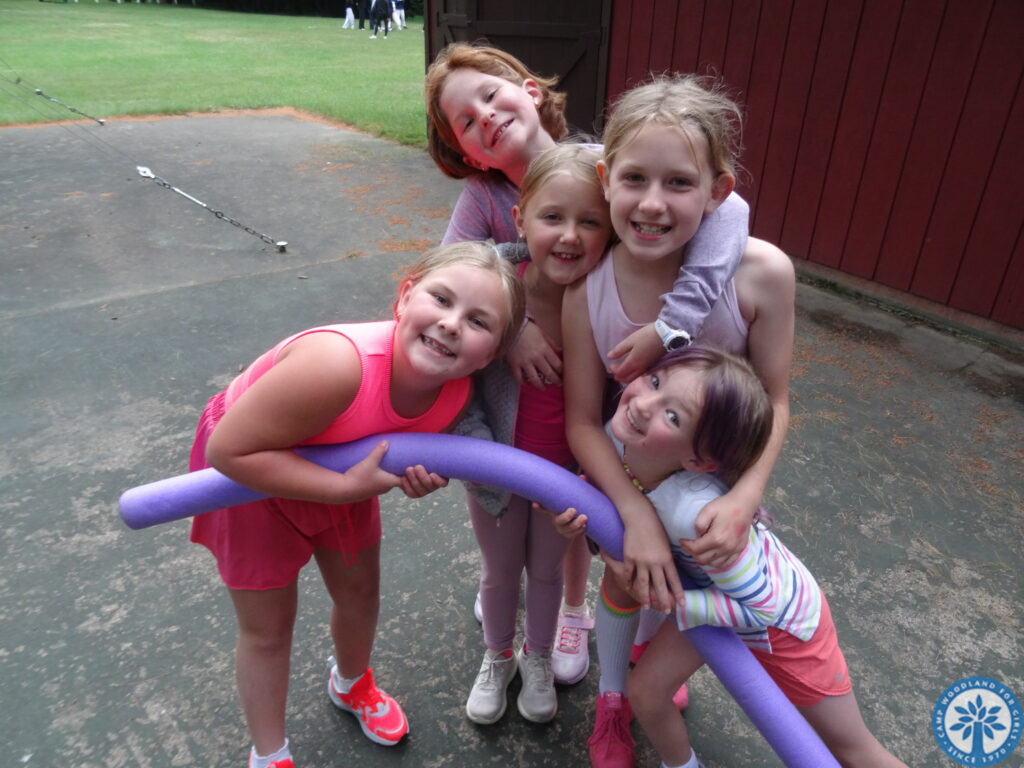
Camp reminds us of the good stuff. It helps us see the magic in most things, especially in forming lasting friendships. It encourages us to explore and discover the incredible beauty of the real world, to trust each other, and be courageous even when something may be uncertain. Most clearly, we now know how incredible camp life feels.
Yes, it’s sad that something good is ending… for now. We believe we carry camp with us. We can remember that being kind, and being a little silly, will get us through the fall and winter months. We can bust out a favorite Woodland song anytime. We can stay in touch with camp friends. And we can look forward to returning next summer.
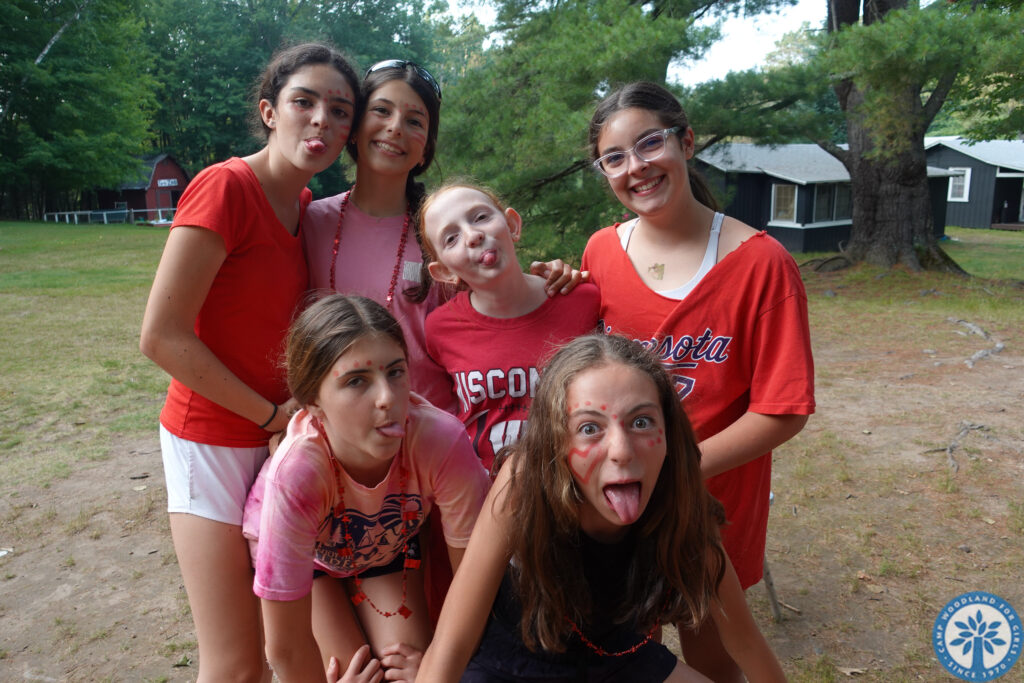
To all our Woodland girls: we miss you already. We’re thinking of you fondly, holding tight the memories of our “Enjoy the Ride” summer of 2025 together. Thank you!
Until we can be together again, show respect to everyone and everything, create community at school, on teams, in activities, etc., continue to grow as a person, take responsibility for your actions, and stay safe until we see you back on County D next summer! Remember: the Camp Woodland spirit is with you always.
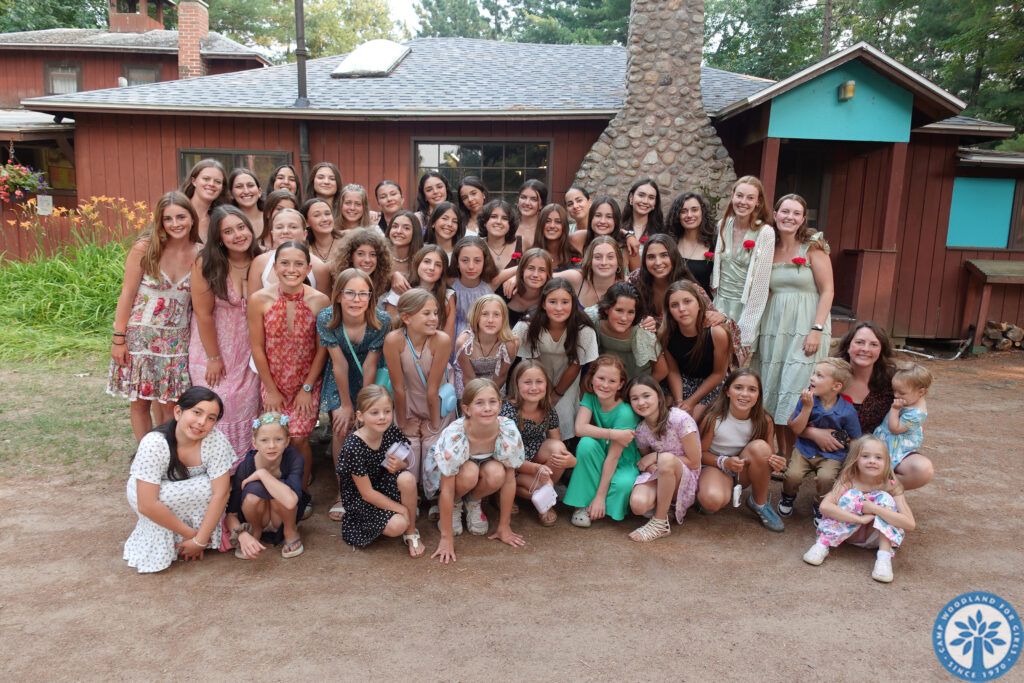
The legacy photo below pictures any camper or staff member who had a parent, grandparent, other relative who went to Woodland or Towering Pines for a summer or more. Impressive group!
The Space Between Where We Are And Where We Are Going
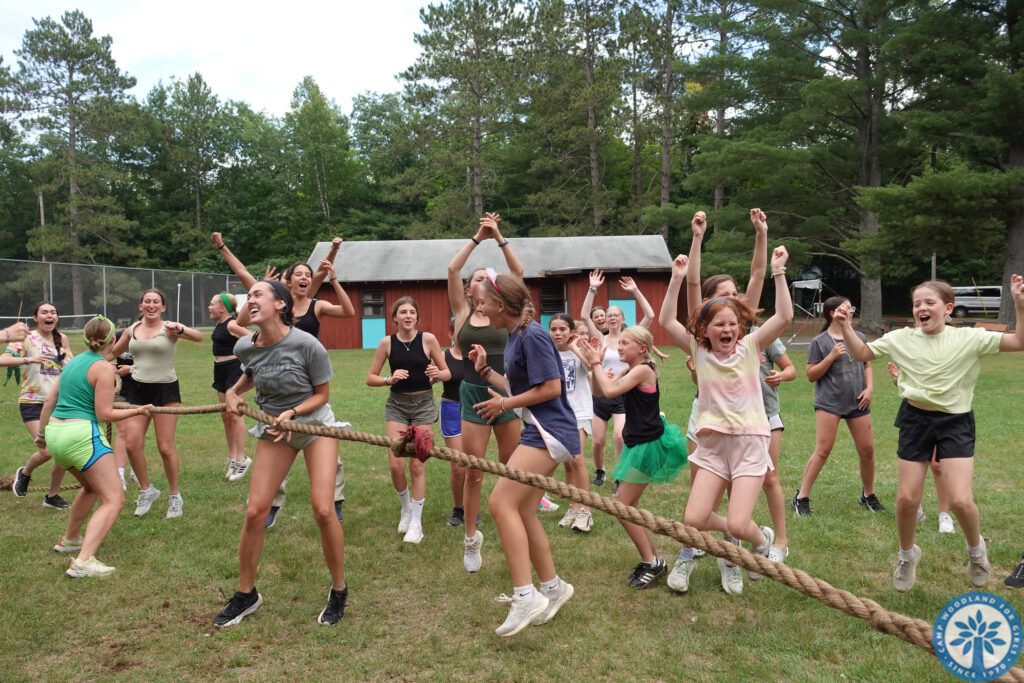
As the amount of time left at camp is coming to an end this weekend, I am reminded of an interesting phenomenon that happened just recently when my husband and I were out on the water enjoying a sunset cruise and an epic evening of dolphin watching. At some point close to the time we were about to head for the marina, we both noticed that we were “in irons” (to borrow a sailing term). We had just turned the engine off to give the dolphins some “space” and, for a brief period of time, the boat held steady.
Slack Tide
Our position is normally affected by tide, wind, current and the speed and direction of the boat. We could tell by several landmarks on either side that we were not moving at all. We were caught perfectly between the transition of an outgoing and incoming tide (known as slack tide). The water needs a moment to switch directions if you will. Thus, we were living in the space between where we were and where we were going.
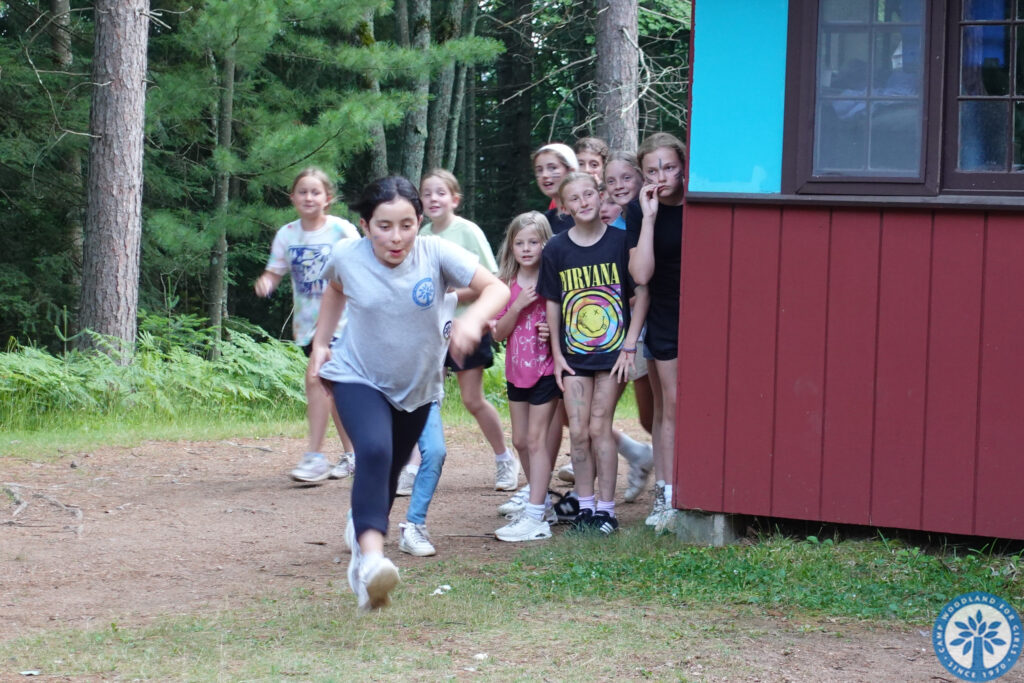
In many ways, this perfectly sums up the last few days of camp. The girls will be living in that space between camp (where they have been for the past 6 weeks) and home (where they are going for the next 10 months). I have to admit, staying in the same position when things were moving around us, felt kind of strange. It felt as if we were “caught” in limbo and had little to no control over the span of those few minutes. It was almost like being in slow motion. Things felt “right” again when the tide finally fully switched directions, and we were clearly headed in one of them.
Be Where Your Feet Are
This is all to give you a little heads up and to prepare you for what you may experience this coming weekend when you arrive to pick up your daughter at camp or at the destination airport of where she lands to meet you. The last few days of camp always feel a little strange, even for those of us who know what is coming. Every year it hits differently for each individual.
The best advice I can give is to let the transition happen naturally. To borrow the words I hear often from a good friend, let your daughter/s “be where their feet are.” Not a bad idea for all of us! Time will vanish in the blink of an eye. She will appreciate your understanding even if she doesn’t voice it out loud.
Opposing Tides
Your daughter/s will feel the pull of two opposing “tides” – the outgoing tide is the incredible experience that she has been part of independently of her family and the incoming tide from that same family who has missed her and has lots of questions to ask and stories to tell from home. You may notice that she will feel “caught” between the two. She will have spurts when she is super happy to see you and any other family members along for the ride, and then she may retreat at other times to savor every last moment with her cabin mates and camp friends.
YAY Emotions!
FYI – emotions will be all over the place this weekend! In fact, one of our counselors shared earlier this week that she is very emotional already partly because she has to tear away for a period of time to the office to register for classes for the upcoming school year. It’s hard to think about what’s next when all you want to do is stay right here. We will have had several nights go later than our normal bedtime due to Coed Show (Thursday) and Banquet & Candlelight (Friday). Deviating from our set routines will also play into any “moodiness” that may come across.
It’s 100% Normal
Trust me – it is 100% normal. Please don’t take it personally if you get a quick hug and then she runs off. She may go to the other extreme and talk your ear off and want to show you everything. You will hear about every adventure she had over the course of the 6 weeks as you walk around camp and be introduced to every person she knows (which will be the entire camp community including the horses, bunnies, chickens, ducks, and camp dogs!).
Please know that as you read this, your daughter/s love you very much! They can’t wait to see you – 6 weeks is a long time to be separated. They are just a little nervous in anticipation of what this coming weekend means. It is hard to understand from your point of view, and it is hard to explain from their perspective. One of our campers from a few years ago gave me the idea to write a blog about the “closing of camp and the opening of home.” She was describing in her own words the “slack tide” that I am writing about here.
The Space Between Where We Are And Where We Are Going
At some point when she is ready, the tide will naturally change directions. Things will feel right again. Your daughter/s will move out of the space where she is now to the place where she is going. She/they will get in the car and start the (long) drive home. You will hear about camp A LOT in the upcoming days, and then as things return to “normal” at home with the start of school and activities, you may not hear about it as much. Or, it will pop into a conversation out of the blue because something or someone will remind her of those glorious 6 weeks at Camp Woodland.
We hope that you recognize the wonderful gift you gave your daughter/s by sending them to camp. Often material gifts are novel for a short period of time and then they go unused or forgotten. You gave your child the VERY. BEST. GIFT. OF. ALL. TIME. You will see the effects of the Woodland experience all year long (and beyond!). We THANK YOU for sharing your most precious gift with us and hope you will consider having her return for 2026 (click HERE to register)!
p.s. The CIT’s are SUPER excited for you to see the Co-Ed Show on Saturday night at 7:30 pm at Towering Pines!
Device Dilemma and a Golden Opportunity
In a few short days, the summer of 2025 will come to a (screeching!) halt. Parents, caregivers, siblings, friends, and possibly a pet or two will descend on our 6-week Northwoods “haven”. With that brings many decisions to make regarding the re-entry of your camper into the world of home, school, activities, friends, etc. There are also some decisions to consider about coming back into the world of technology. It’s not something to take lightly…there is a golden opportunity to do things differently and set the tone for the year ahead.
For six weeks your camper/s have been navigating the world without one single device. They have not been distracted by dings, rings and buzzes. No one has been checking to see how many likes, favorites, views, or other social media tally has been racked up to give a temporary/false sense of popularity. Not a single person has been privy to what events or gatherings they might have missed because there were conflicting obligations or there was an intentional (and devastating) non-invitation.
 The next few days are the perfect time to consider and discuss the options and consequences before handing over your camper’s smartphone, tablet, or other device. I recognize that for some campers, long-distance or international travel is involved in the journey home, thus there is a need to be able to communicate with them during their bus ride and/or flight back. I would still like to challenge you to think about and come up with a plan for once everyone is back home safely.
What prompted me to even think about this is a Growing Leaders blog I read awhile ago about an interesting trend among kids today. It came across my radar again just recently, so I wanted to revisit this idea. I discovered there is a growing population of young people who have had enough of being glued to screens. They are looking for and needing/craving something more. Something their phones and devices can’t provide. This is the main reason the Luddite Club was founded by a few years ago by some high schoolers in Brooklyn, NY, and why its members assembled in-person on Sunday afternoons on the steps of the Central Library on Grand Army Plaza to play games, do art, or just hang out and have face-to-face conversations (sounds like camp!).
The tie that bound this group is that they decided at some point to put their “smart phone” away for good and use a flip phone or no phone at all. The “push” in many instances for this unexpected turn originated by parental insistence that the mobile device be taken away for a period of time as a necessary consequence. After the initial shock of being without their communication lifeline, the teens realized that they were better off not being tethered to something that turned them into a version of themselves they didn’t recognize or even like anymore.
These students are now in college and Luddite Clubs are popping up in other areas of the country on various college and university campuses. In a more recent interview with Soledad O’Brien, two of the founding members of the Luddite Club shared that other members use varying ways to cut back on social media and are finding out what works best for them.
In an ACT math prep tutoring session I had a few weeks back, the rising HS senior told me that he and some friends went to play golf (a great way to get the ACT out of your mind the week of the test!) and they all put their phones in the same bag and didn’t look at them again until the game was over. When I asked a few questions to find out more, Ryan said that his friend group does that on occasion so that they can enjoy each other’s company and the activity they are participating in without getting distracted by the many rabbit holes a phone can take you down.
A current TP/Woodland parent and longtime Woodland camper/staff member emailed me after reading the “Addition Through Subtraction” blog that was posted in 2023. This alum shared she appreciated that her kids return from camp having mentally slowed down to a healthy speed. “As a family, we take advantage as we roll straight from camp (by way of the washing machine) into a vacation at the beach where we all slow down, and we all love it. Three hours spent on a board game? No problem. Two hours reading a book? Great! Crazy slow mini golf? I double dog dare you.” This post-camp family time is intentionally sans devices.
She further states that, “My mom told me recently that my dad’s late life mobility issues were an unexpected gift, because she realized that she now looked up when she walked slowly to match his reduced pace, and she observed so much that she had been missing for years.” Great words to live by! I have that found that looking at my phone while trying to walk our dogs or do something else is robbing precious time from being present in the beauty of where I am at that moment. I can’t get those seconds or minutes of seeing the sun break the horizon, a heron flying overhead with a fish in its mouth, or the exposed beach at low tide back if I choose to have my head down and eyes peeled to a small piece of rectangular glass.
Is this an easy ask? Heck no! Are the short term struggles worth the long term benefits? I believe so. 100%. Otherwise, I would not be writing this! Here are a few ideas to consider as a starting point for helping your child/ren become more aware of the impact their device is having on them and the benefits of scaling back on device time if not forgoing it altogether in the months ahead. Maybe a pros/cons list is in order now that they will have been almost 45 days without one!
- Share stories of kids their age who are taking a break.
There are even examples of campers in our own community delaying possession of their devices following their 6 week camp experience. In fact, one such CIT gave her phone back to her mom before jumping in the car to go home a few summers ago. She knew she wasn’t ready to be immersed into the social pressures of what it means being “online” 24/7 and the mind-numbing feeling of being lost in endless scrolling.
- Curate dinner table or other opportunities for meaningful discussions.
Your camper is used to sitting with their cabin group for three meals every day having real, in-depth conversations about what is experienced and learned while everyone goes in different directions during activity periods. Sharing ups and downs, successes and failures, along with stories and past experiences from home is normalized when sitting around a table or in a circle at cookout or picnic multiple times a day. Dreams, hopes and goals are also being shared during meals or other random times of checking-in throughout the day with cabinmates and other camp friends. This has been a regular part of the fabric of every single day at camp for your daughter/s since they arrived on June 21. I would venture to say on the low side that 5-6 hours a day on average is spent in these organic interactions!
- Plan device-free days or times.
If going cold turkey with time spent on devices is too much or not realistic for your household situation, consider starting with times of the day (meals, homework time, etc) or certain days (Saturday, Sunday, or days during a holiday break) that are device-free. Having this conversation and together coming up with your family plan will help create buy-in from your camper/s.
4. What now?!
Last time I checked, stamps are still available at your local post office or other customer service counter (I even tried to get my holiday stamps a few weeks ago because last year they ran out in August!). Campers will have address lists of our community in their memory folders and can connect with camp friends using “snail mail”. Rounding up some fun stationery, pens, stickers and other items can make letter-writing a more desirable means of communication. Instill “rest hour” at home when possible and encourage this type of activity (another camp routine). You can plan on hearing from us about once a month with photos, newsletters, and camp news that will keep the spirit of being “unplugged” alive throughout the year.
We wish you a great school year and look forward to when we can all come together at Camp Woodland for another 6-weeks of being device-free!
Camp Brings that Peaceful, Easy Feeling
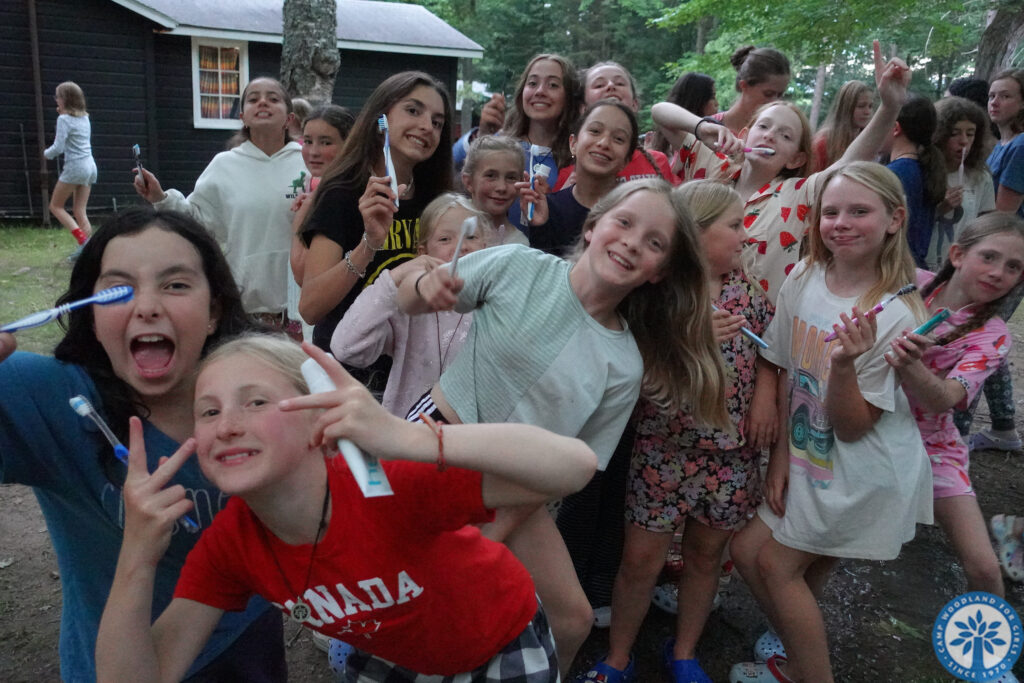 What’s the vibe of camp right now as we head into the 6th week of camp?
Borrowing the words of a once (maybe still?) popular Eagle’s song, campers and staff right now both have “that peaceful, easy feeling.” It makes perfect sense if you just look around. You see plenty of smiles, girls laughing and playing, and appearing really at ease. With camp being a place where girls can be themselves without the pressures and worries of school, where they know instinctively the people around them are genuinely kind and caring, it’s natural to relax into the experience.
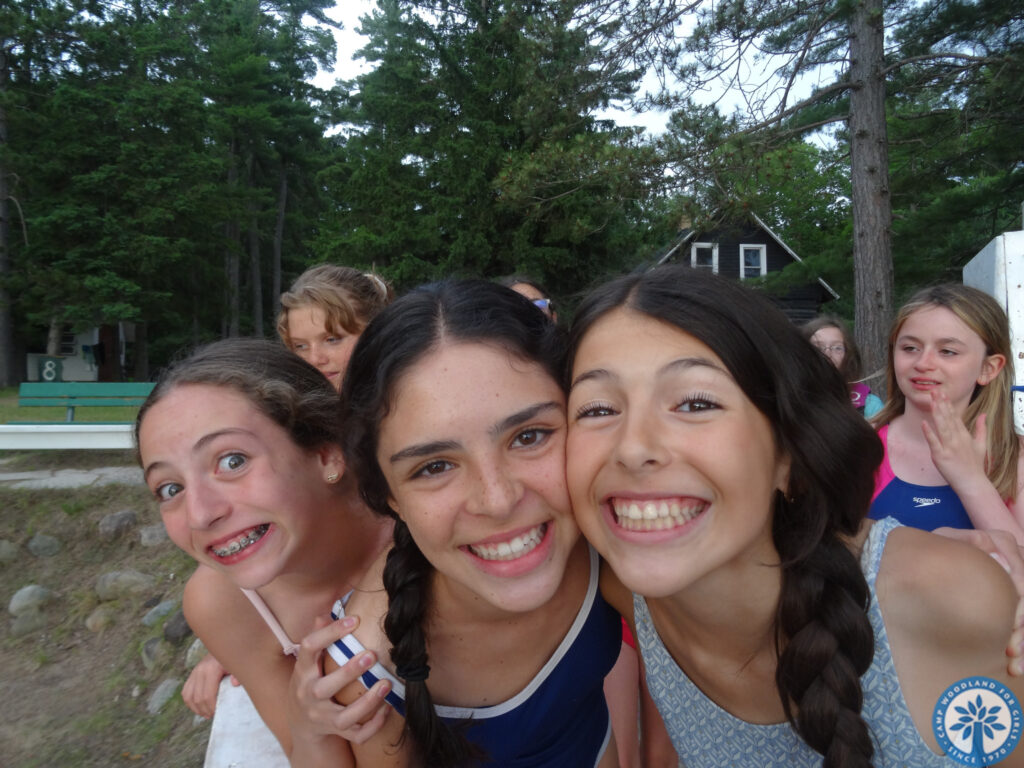
Laughter is the Best Medicine
There’s no need to guard against anything or to maintain any kind of facade, so camp provides a release of sorts. That feeling alone is enough to lift a child’s spirits, but combine it with all of the fun activity at camp, along with all the enthusiastic energy of a zany community (spigot parties!), and you have a the recipe for peacefulness as well. There’s also plenty of giggling, especially now that campers are comfortable around each other. It doesn’t take much these days for a little bit of silliness to turn into a laugh out loud moment!
Where can you find that peaceful, easy feeling?
This feeling shows up in many of the activities. For example, in gymnastics, which meets outside of the Rec Hall, each class starts with a series of warm-ups. Spread out on the gymnastics mats, girls are peacefully stretching, listening to music, and getting mentally ready for some more difficult flips, spins around the parallel bars, and balancing on the beam.
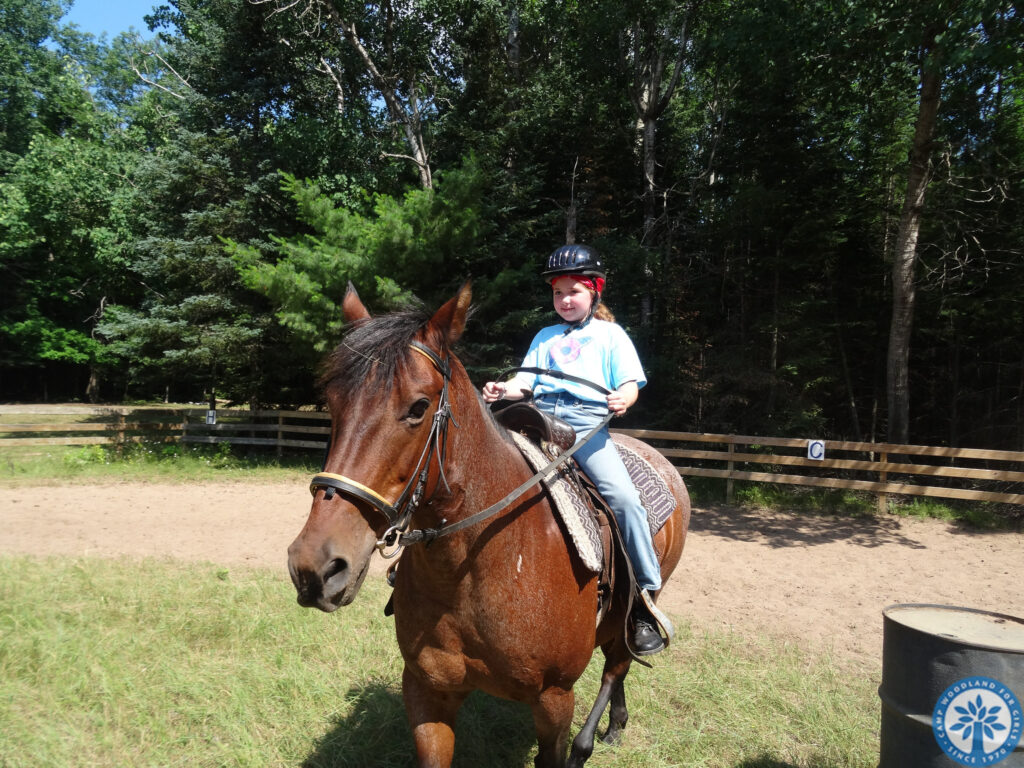
On Land…Focusing, Concentrating, and Losing Yourself
Sometimes, this peaceful feeling arises from concentrating on something, from being completely immersed in whatever we’re doing. As one might imagine, the girls have to really focus when riding a horse, being careful with the position of their legs, their posture in the saddle, and how they are controlling the reins. This gentle coordination between the horse and rider makes horseback riding rewarding and fun.
Similarly, at the archery or riflery ranges, concentration is greatly assisted by slow, even breathing in order to have a bullet or arrow make its way to the desired area of a target. Adding up the score upon completion of each round brings great satisfaction or determination to improve next time.
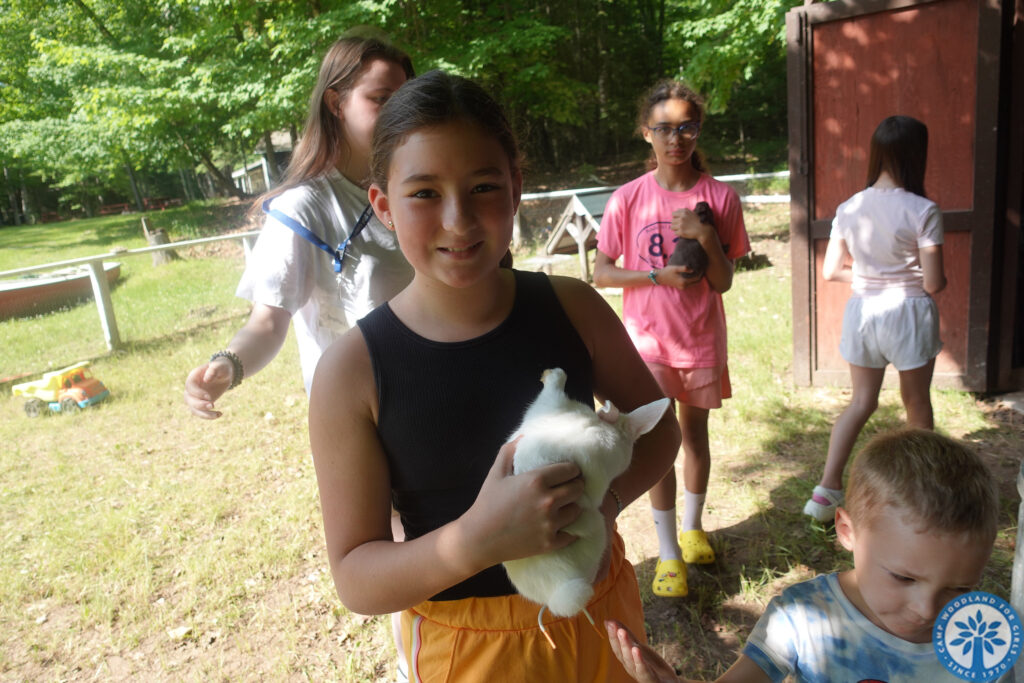 Spending Time with the Animals
While we don’t have “therapy” animals per se at camp, it is not a huge stretch of the imagination to come to the conclusion that hanging out at the barn or Farm Zoo is about as therapeutic as it gets! Showing your horse some “love” before mounting and after a gratifying lesson in the ring is definitely encouraged (if not required!). The bunnies, chickens, and ducks in our small animal area get watered, fed, and petted (a lot!) every morning by the first hour class while sixth hour helps get the menagerie of very tame fuzzy friends get ready for nighttime.
And, Being Creative
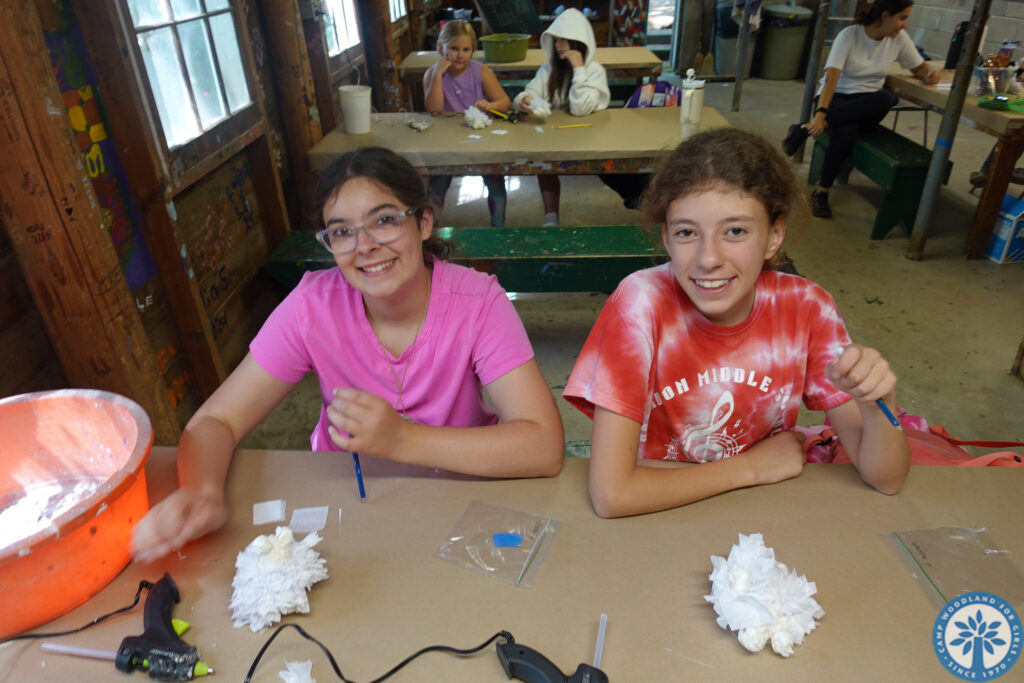
Arts and crafts activities at camp offer a similar opportunity to lose yourself in the moment. Working with their hands, making a picture frame, wrapping yarn around a bottle, or tying the many knots required to make a friendship bracelet, campers easily become deeply engaged. There’s a strange immersive quality to many craft projects at camp, each providing another way to relax and at the same time enjoy the satisfaction of making something. It’s amazing how easily the campers are happily absorbed in designing, building, creating, arranging, painting, and more.
 In the Sun and Shade at the Beach
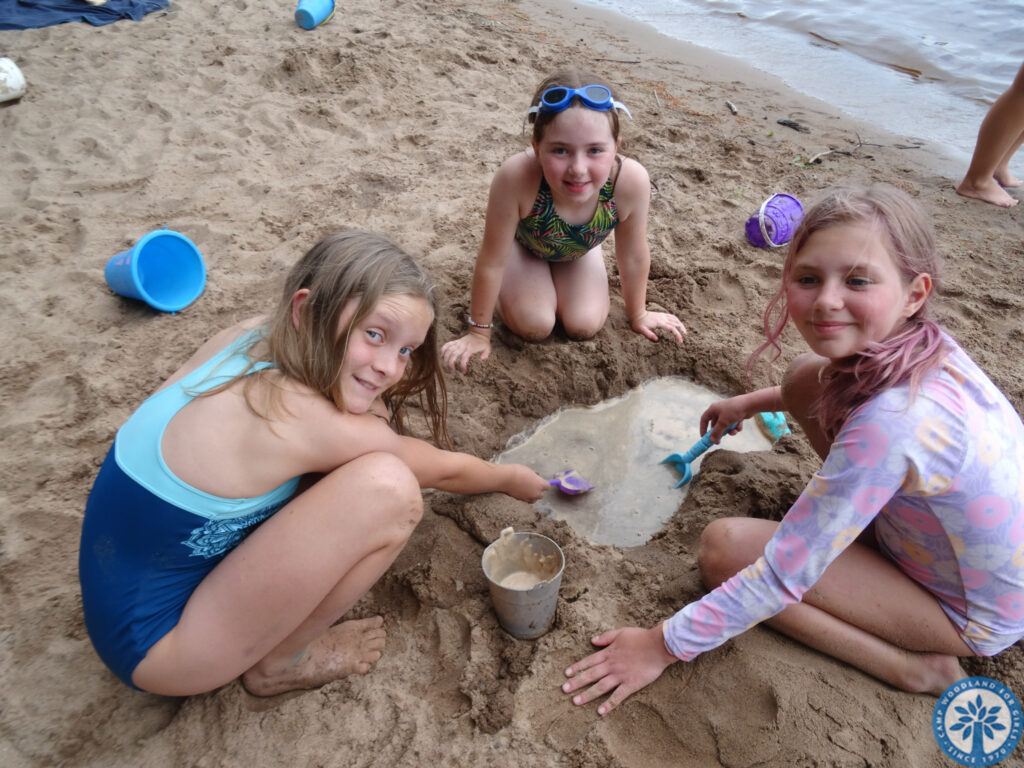
Rec Swim at the lake also exemplifies that peaceful, easy feeling. Often instead of swimming, floating is more popular. It’s a way to cool off in the refreshing water of Sand Lake, while at the same time lounging comfortably on a tube or one of the mats available. Even more fun is when friends pile into the tubes making them a little unsteady and easy to end up in a splash. Even for those who choose the shade at the beach, there is something grounding about having sand wriggling between your toes and sifting through your fingers should you decide a sandcastle or lounging with a book is the way to go.
 Ahhhhhhh, The Soothing Waves!
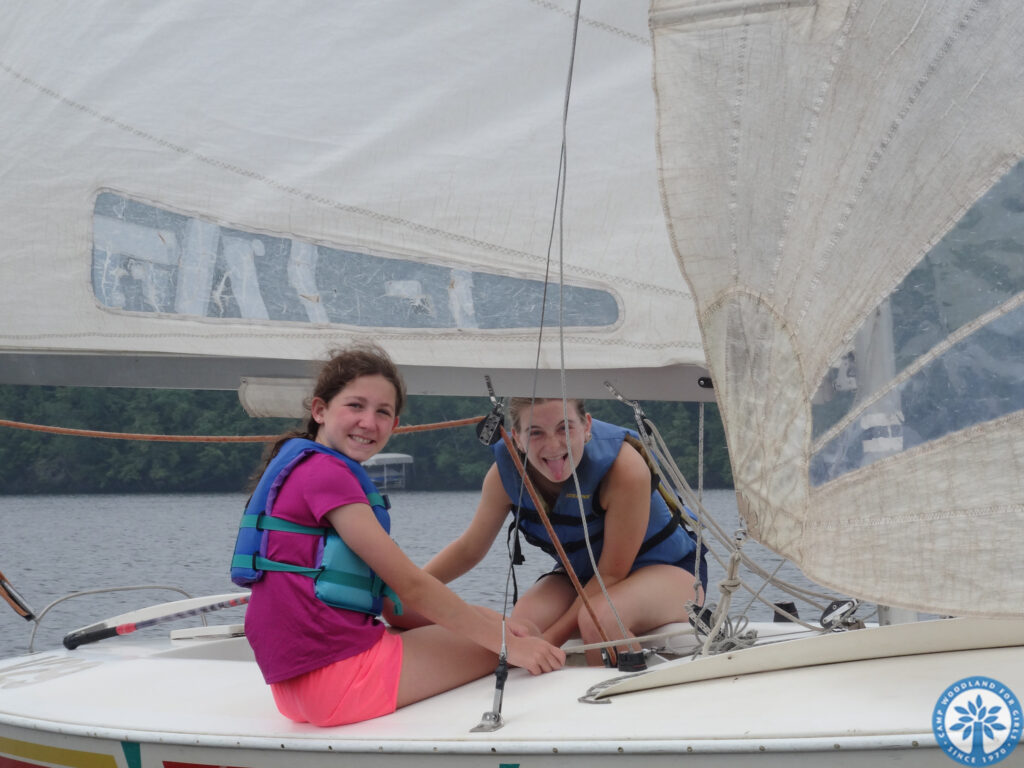
Sailing offers those “wind in your face” moments as your boat cuts through the waves while enjoying an easy going cruise with good company or rounding a buoy marker in a competitive race. Canoeing provides a calming rhythm as you dip, dip and swing a paddle to nowhere in particular or a planned destination. Spending an hour fishing while letting your legs dangle off the dock or taking a slow ride on the pontoon boat is a great way to decompress. Just hearing the waves lap on the shore or against the sailboats on their moorings, along with the sound of the halyards clanking on the masts is about as good as it gets!
A Gift That Keeps On Giving
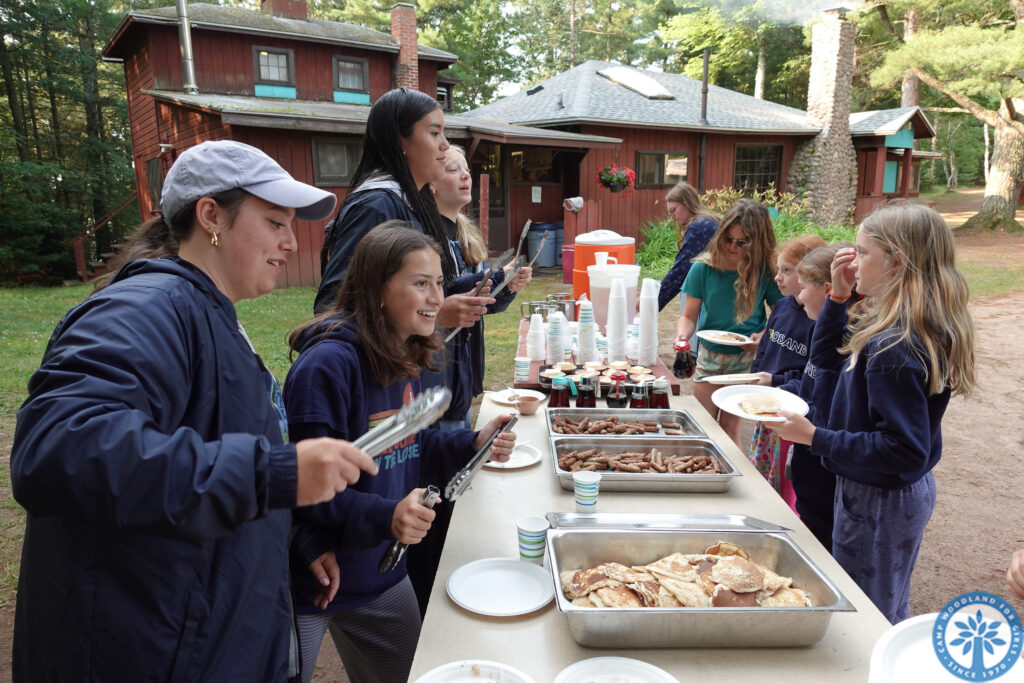
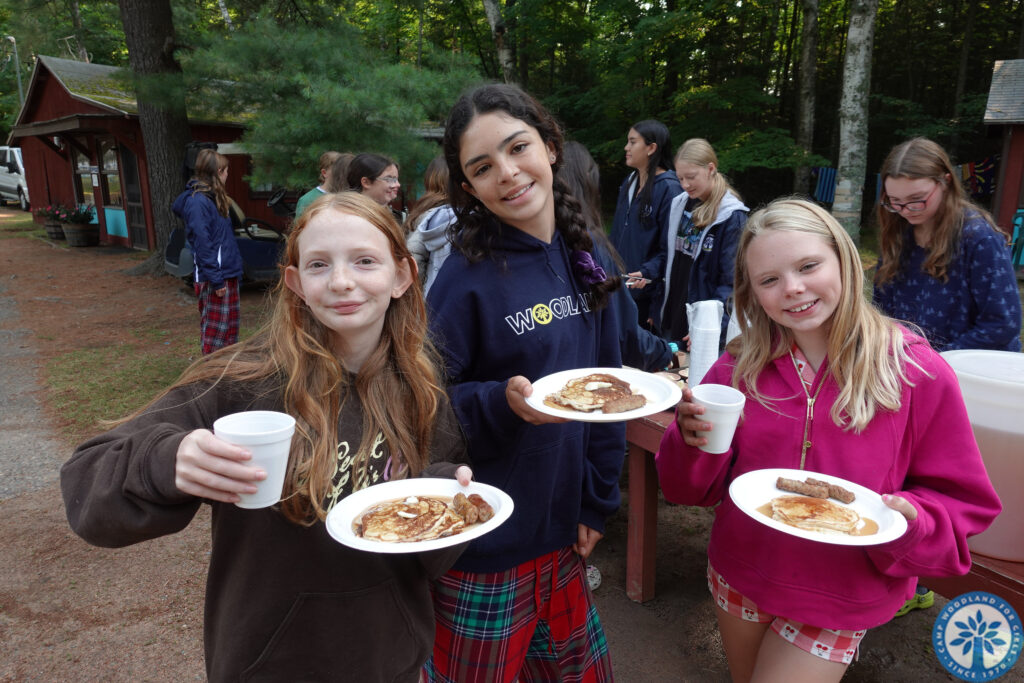
Compared to the daily lives of most kids, living the “peaceful, easy feeling” life of camp is a great gift. It proves to them it’s fun and rewarding to be active, and to really dig into creative pursuits (this is often how Woodland girls find their passion that comes with them wherever they go!). Most importantly, it reveals the peacefulness that follows from simply being yourself in a relaxed way (like eating pancakes outside in your jammies!). The beauty of camp, and surely a big reason why girls love it, is how quickly and easily the community here evokes these feelings. It is our wish that your camper is storing up a reserve of “peaceful, easy” to insert when needed at home or school over the coming year!