

Category: Camp News
Some Things Just Earn a Heart
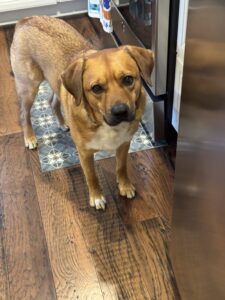 Both of our dogs were rescued. The younger of the two, Gumbo, came to us when he was about seven months old. When my husband went to the shelter to find a buddy for Gus, he couldn’t help but notice the little dog with a big personality. His name was quickly changed from Tyler to Gumbo to better match the incredible amount of energy and compassion bundled into this 45-pound canine. He is one of the snuggliest, most loving (and yes, occasionally mischievous) four-legged friends I know.
Because we didn’t know Gumbo’s exact birthday, we worked backward from his “gotcha day,” which put his arrival into the world sometime in mid-February. It took me about two seconds to land on Valentine’s Day as the date I’d use on all his official paperwork from that point forward. February 14 felt right—not because it was precise, but because it fit. Valentine’s Day isn’t about perfection or grand gestures; it’s about naming the things that already have our hearts.
Even though February is the shortest month, it’s the time of year we pause to recognize the people, places, and experiences we love most. This idea stretches beyond cards and candy—and even beyond one very lovable dog. One of the things that shows up with a heart attached, every single time, is camp. Camps across the country recognize how they are loved by campers, staff, families, and alumni with “I Heart Camp” Day, a moment to reflect on what makes camp special. Not with chocolate or flowers, but with photos. LOTS of them. You will be sent information about this very soon so you are ready for February 1st!
 I heart camp.
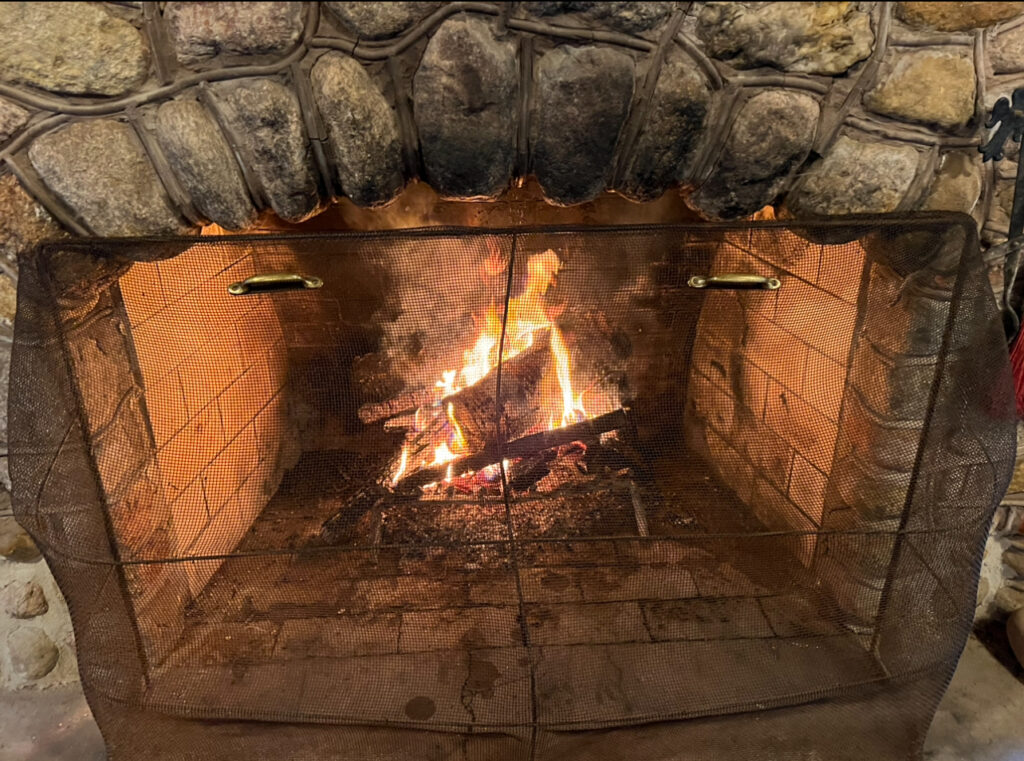
There are many things I love about Camp Woodland. The CIT singers who come around every night to send us into sweet dreams is one of my favorites. I also love taco bar, being at the waterfront, fires in the lodge on a chilly morning, hearing the loons call to one another, chocolate peanut butter ice cream at Cathy’s, and so much more. Just writing this list makes me super excited for the upcoming summer!
I also keep coming back to three pretty simple words when I think about this place.
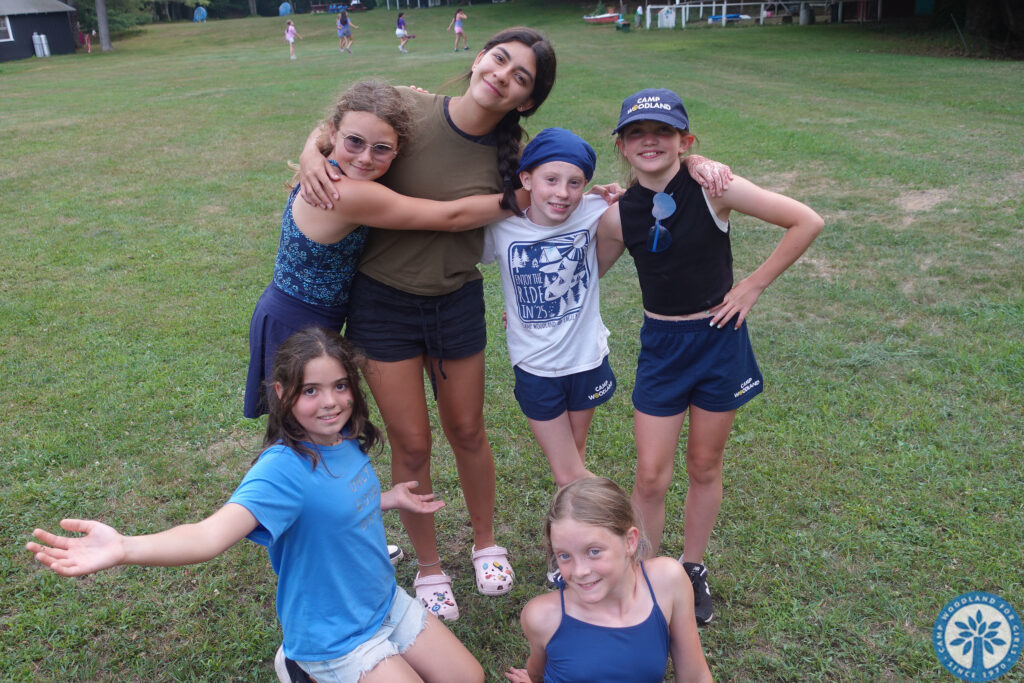
Kids heart camp.
I could write (and have written) blogs about youth development. Social-emotional stuff. Why screen-free summers rock. Camp being a much needed haven. A third place for many. The importance of autonomy, competence, and belonging. All part of why we do what we do.
But underneath every framework and philosophy is this basic fact that you probably already know:
Kids love camp.
Not “kids benefit from camp” or “camp is good for kids.” Like talk-about-it-all-year LOVE it.
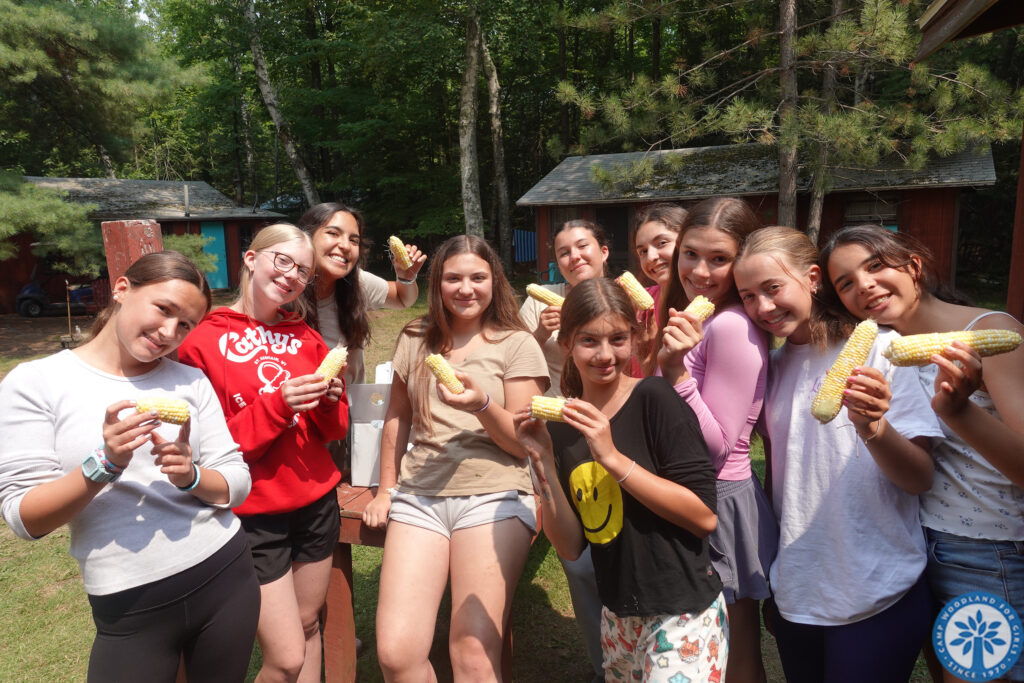
Where else does this happen?
Think about all the places kids spend time. School. Sports practice. Tutoring. The dentist. Nana’s house. Birthday parties. The back seat of your car going to all of the above. Some of those are great. Some of those are fine. Some are tolerated. Some are endured because someone says so. How many of them does a kid actually love?
Like, genuinely love. Ask-about-it-months-later love. Count-down-the-days love.
Kids love home. Obviously. But where else? And yes, I definitely have a bias here. 100%. The evidence is everywhere. The Coed Show song list that is sung in the car/bus on the long drive home. Stories that surface at dinner in October. Countdowns that start in January (camp is THIS year!). The way campers put their phones down when they visit each other around the globe.
Confession: I spend a lot of time thinking about camp and how to explain camp to people who have never been to camp.
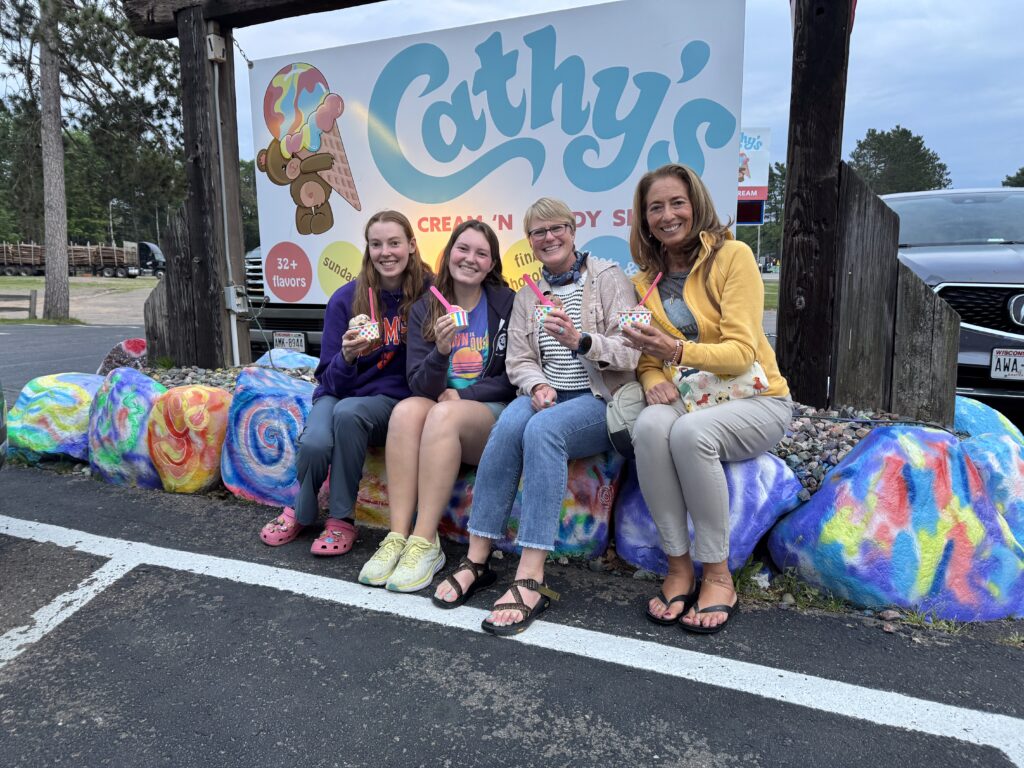
We heart camp.
And the CWTP team also spends tons and tons of hours thinking about every little detail of camp. Don’t believe me? Ask Calla about the programming activities and special events for “Imagine This in ‘2-6”, or Jackie about hiring the absolute best staff, or Lee’s leveled-up parent communication this summer, or JoAnne getting the many pieces in place for 6 weeks of fun in the Northwoods of Wisconsin.
Those hours matter. The thought, time, and care matter. But sometimes in trying to explain camp, it sounds more complicated than it is. It’s actually super simple. Camp has the just-right mix of stuff (this is a technical camp term) that makes kids (and staff) want to come back year after year.
Friendships, activities, attention, time, care, sports, arts, laughter, nature, songs, mentors. And underneath all of that is the simplest thing of all.
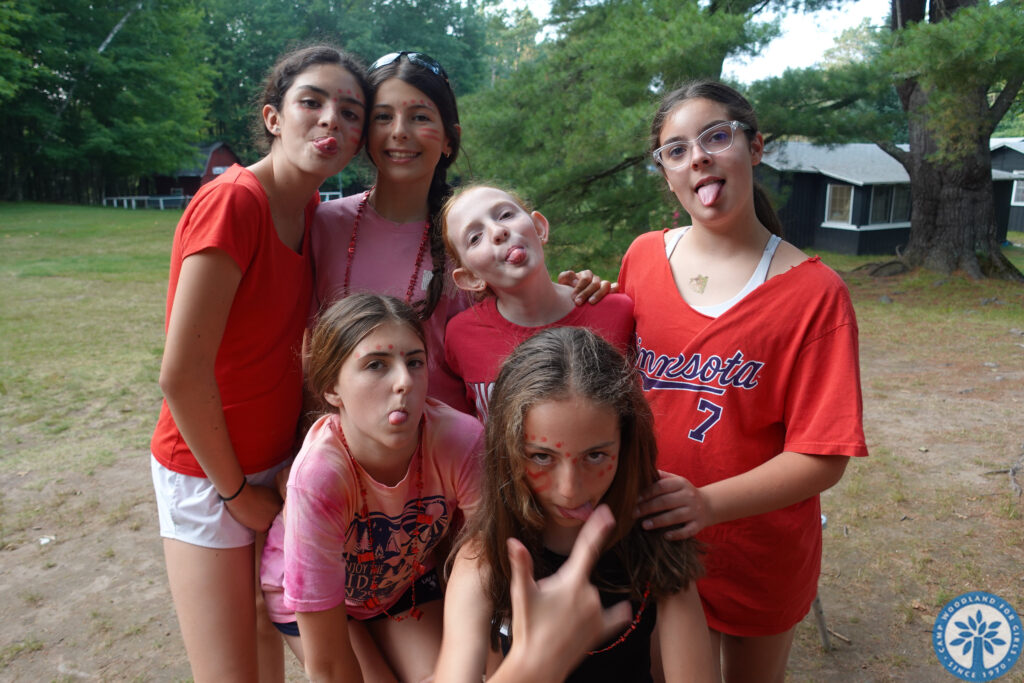
Kids especially heart camp.
Staff heart camp.
We all heart camp.
Happy “I Heart Camp” Day (week, month, and YEAR)!
Inspiration: KE newsletter/blog
Habits Formed at Camp and Continued at Home
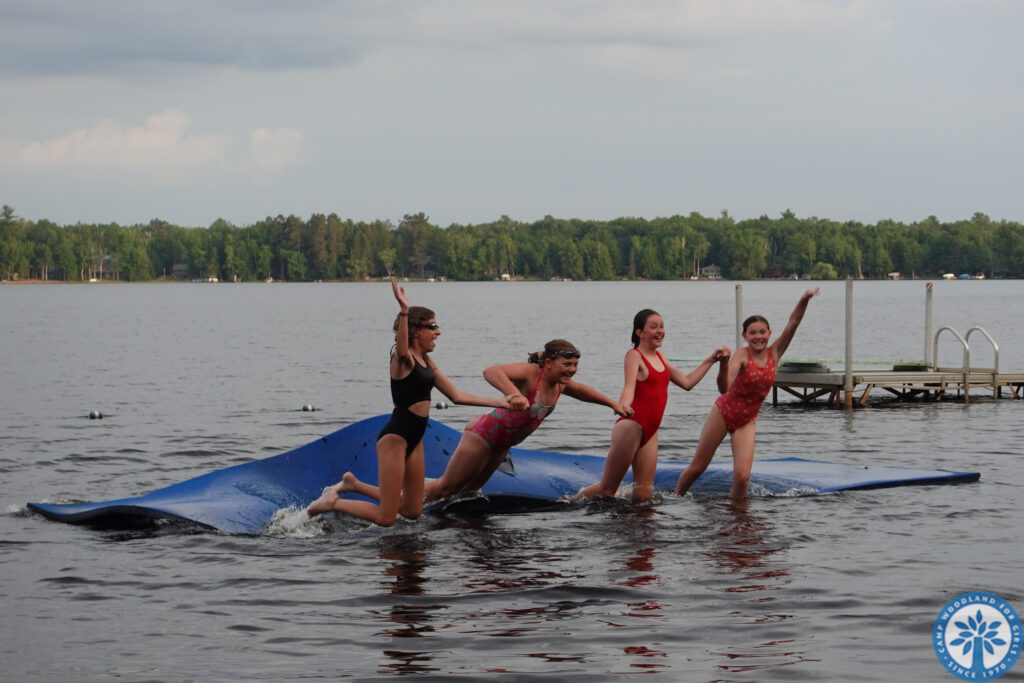
Many of you may be familiar with Atomic Habits by James Clear. Its core idea is simple and powerful: lasting change comes from small, consistent actions that shape who we become—not just what we accomplish.
I subscribe to Clear’s weekly newsletter, and a recent January 1 excerpt felt especially fitting as we plunge into a new year:
“Improvements are only temporary until they become part of who you are.
- The goal is not to read a book, the goal is to become a reader.
- The goal is not to run a marathon, the goal is to become a runner.
- The goal is not to learn an instrument, the goal is to become a musician.
Every action you take is a vote for the type of person you wish to become. No single instance will transform your beliefs, but as the votes build up, so does the evidence of your new identity.
This year, focus on the identity you want to build.”
Clear’s message is a powerful reminder that habits aren’t just something we do—they’re something we become. And it’s a lens that feels especially meaningful when we think about camp.
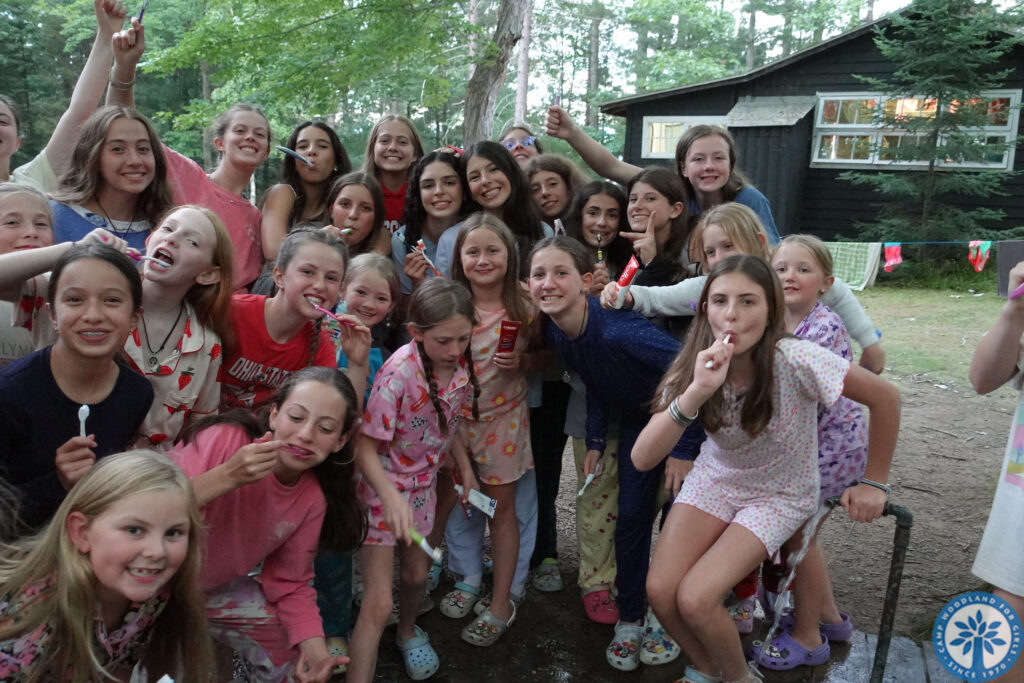
Camper Resolutions (August ’25)
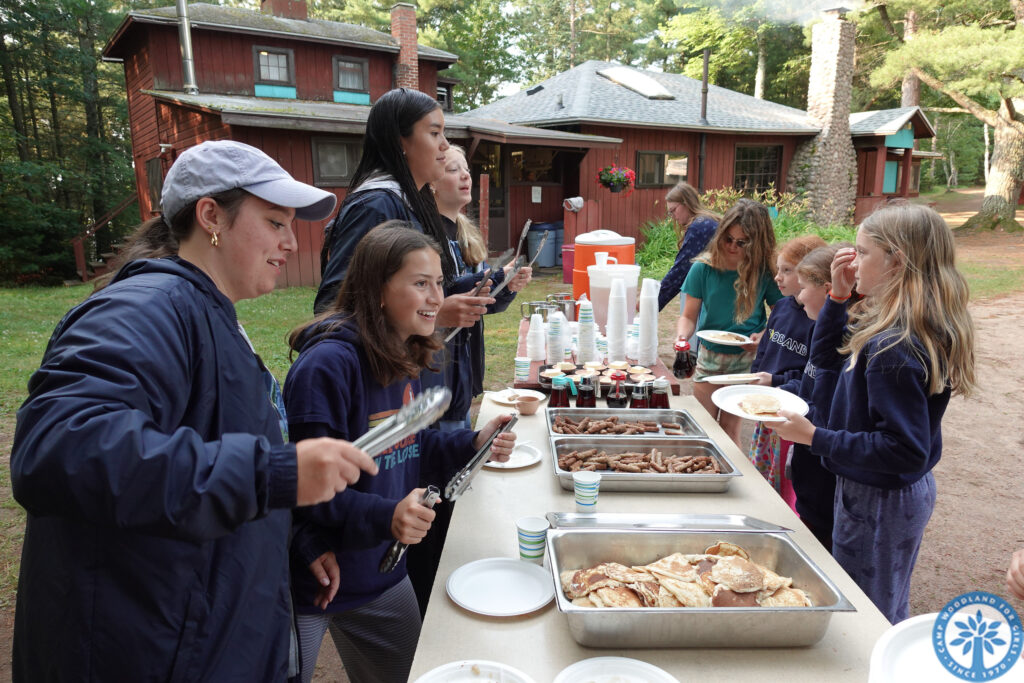
As the recent summer came to a close, we asked each camper: “What is a new habit you started at camp that you’d like to continue at home or at school?” In most cases, your daughter had more than 40 days to practice thoughtful, positive habits—whether that meant trying something new, showing up for others, staying active, or caring for herself with confidence.
Now is a perfect moment to check in with her. A simple conversation can help celebrate what’s sticking, offer encouragement where things feel harder, and gently reset any habits she hopes to carry forward. After all, success isn’t built in a single moment—it grows through the small, daily choices that shape who we are becoming.
“Success is the product of daily habits, not once-in-a-lifetime transformations.”
*Campers whose form we received are included here:
**SILVER BIRCH**
Sienna: archery, riding, and swimming; Molly: clean up the table at meals; Lucia: read everyday; Maggie B: fishing, archery and make my bed every day; Grace: riding and have dessert after lunch & dinner; Mara: try to eat at least a little food I don’t like; Amelia: keep shooting archery; Sloane & Fiona: clean my space and make my bed every day .
**STARSHINE**
Jacinta: drink lots of water; Eleanor: keep my space organized; Amelia: play tennis and drink lots of water; Georgia: try new things; Liza: be the hopper.
**SUNRISE**
Luci: swimming lessons; Sara: be active all day; Grace: kneeboard every day; Audrey: stay organized and clean; Ryann: be outside more; Claire: horseback riding, Della: make my bed.
**DRIFTWOOD**
Evie: be more organized; Elina: be on time; Lucia: my levels; Jaclyn: wash my hair every day; Maria: make my bed.
**SUNNYSIDE**
Lia, Alice & Elyse: make my bed; Clara: dance and sailrace; Emilia: wake up early and be organized with my things; Indira: eat healthy; Julie: sailing and fishing; Masyn: be myself and try new foods; Mojo: read more.
**TAMARACK**
Alaina: make bracelets; Paige: have fun and enjoy everything that happens; Ana Roberta: never give up; Evelyn: do arts & crafts; Marina: not look at my phone a lot; Cas: not watch my phone as much; Ren: wake up with music; Olivia: read; Maggie: wakeup with a song; Avery & Maggie: make my bed (as soon as I get up)
**TREETOPS**
Montz: always have fun; Amelia: read, make bracelets and NO PHONE; Maddie H: sleep more and get good sleep; Hannah: brush my teeth a lot; Olive: make my bed every day; Maddie B: try new things and foods; Orla: be more social.
**HILLTOP**
Norah: eat a good breakfast and making my bed every morning; Julia: do my curly routine and let my hair down; Sydney: be more independent; Karen: meet my goals; Clara: stay positive; Taylor: make my bed every morning; Regi: go to bed earlier; Phoebe: have one song to wake up to and another to make my bed; Natalia: wear less to no makeup and read more often.
**AQUARIUS**
Vale: write down things I’m grateful for; Ana Lau: sleep at least 8 hrs; Ivana: be more aware of others; Amalia: get good sleep and be outside; Izzy: be more positive; Katharine: have a positive attitude; Elizabeth: make my bed every morning.

MAKING YOUR BED
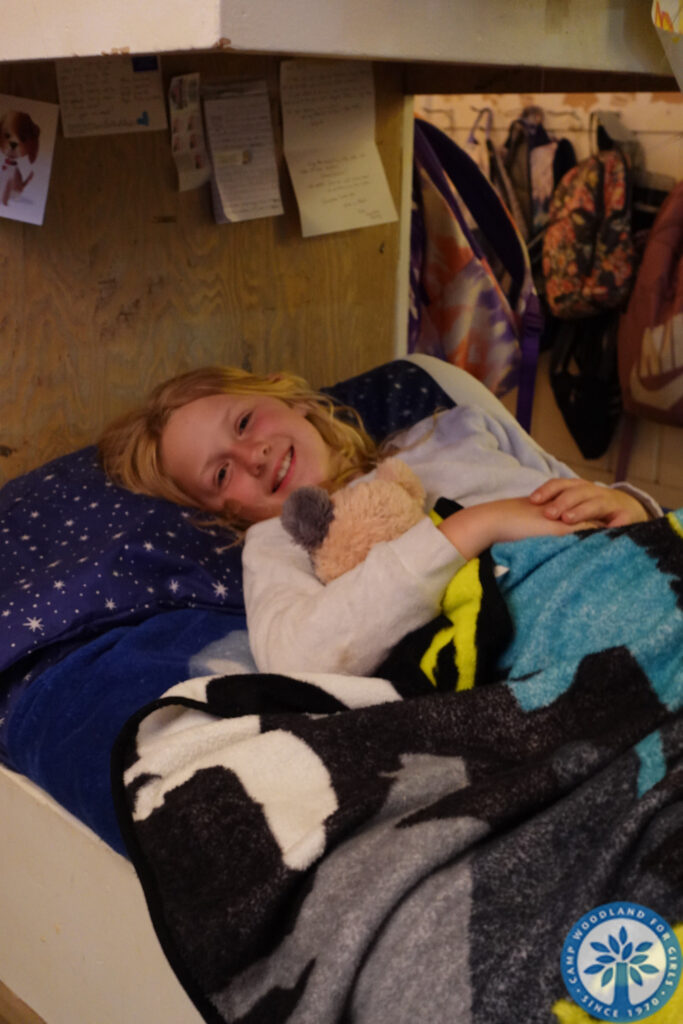
It looks like “make my bed” is the clear *winner* for responses across the age groups for habits to be continued upon return from camp. There is something to be said about beginning each day with a task that you know you can complete. Something as simple as making your bed can lead to other “wins” throughout the day. It might just be something small that turns into something BIG that can change how things go in life AND in the world.
CAMP = ONE STOP SHOPPING FOR NEW YEAR’s RESOLUTIONS
Among the top resolutions that are made at the start of each New Year worldwide, some of the most common goals can be met while having an AMAZING summer experience at Camp Woodland:
- Eat Healthy: Instead of serving processed food, we provide meals made from “scratch” using the freshest ingredients. No powdered eggs here! Add drinking water and getting good sleep to boost the power of the fuel our bodies need!
- Get Moving: Being a fixture on the couch is not an option if you live on County D Road. All of us are active at camp and get plenty of exercise in the great outdoors. We use our feet to take us just about everywhere we need to go!
- Reduce Stress: Camp is a great way to “unplug” from the constant flow of social media distractions & messages and mindless scrolling (your camper/s went without a device for 4-6 weeks!). It is also a time to put the pressures of school and grades aside and just enjoy living in the moment. Above all, camp is FUN!!
- Try Something New: With a variety of physical, recreational, and creative activities to choose from, campers have the opportunity to explore a wide range of interests. Who knows what spark will ignite and become a lifelong career or hobby?!
- Spend More Time With Friends: Imagine spending 24 hours a day each week with a group of your closest friends…how AWESOME is that?! We believe in true “face time” versus “screen time”!
A BONUS RESOLUTION
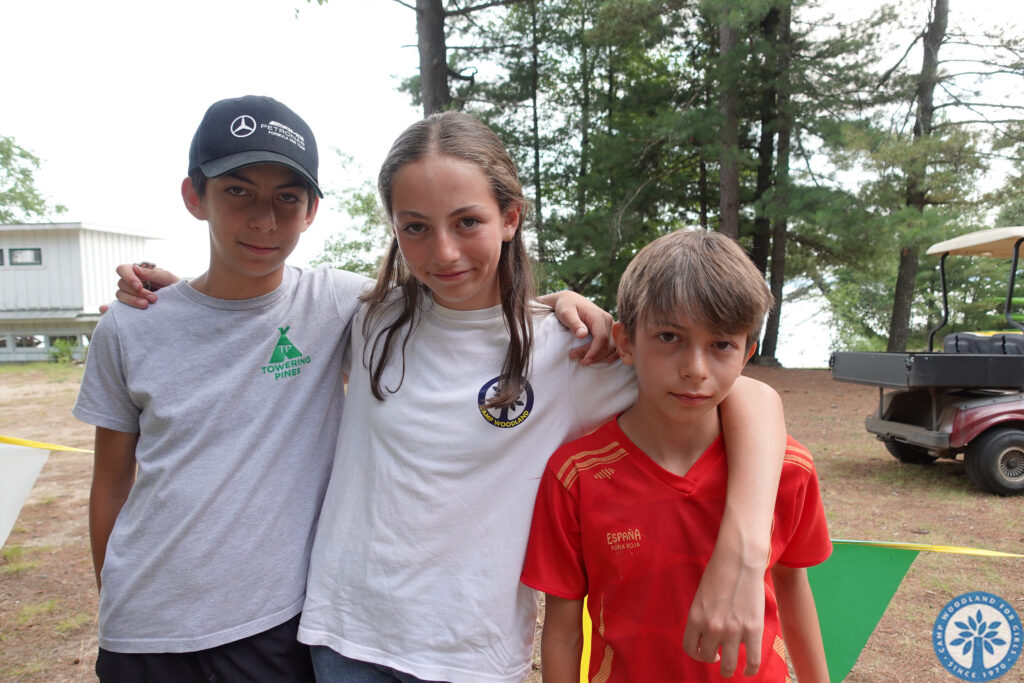
Get Along With Siblings: Towering Pines and Woodland is the summer home for many brothers and sisters. The older campers typically take responsibility and look out for the younger ones and the “fighting” you might see at home vanishes for a few weeks. Siblings actually look forward to seeing one another on occasion when sharing a common camp experience!
New Year’s Resolution: ENROLL for SUMMER 2026
Now is a GREAT time to enroll your camper/s for 2026 and reserve your spot/s: https://cwtp.campbrainregistration.com
We are VERY EXCITED about the upcoming summer where we will “Imagine This in ‘2-6!”
Memories that Linger from Summer 2025
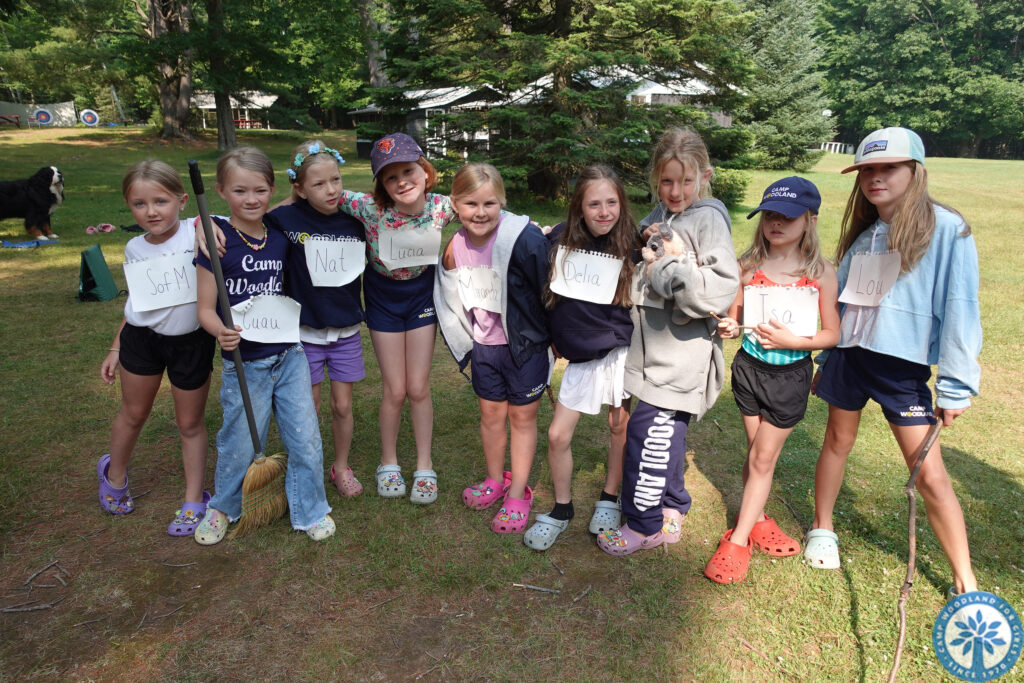
“We Remember Moments, Not Days” Cesare Pavese
With the holidays upon us, it is not uncommon to reminisce about MEMORIES from previous holiday celebrations. This year my family decided to each “gift” our grand/parents a card sharing one or more special memories we have from our growing up years through more current times. It was fun to take a walk down memory lane and remember my earliest memory of getting hives from the tree my grandfather cut down on the farm, decorating cookies for hours and eating lots of frosting (all in the name of quality control!), having dinner at a table large enough to include every person in attendance, moving the Minnesota Twins ornament around to different places on the tree (just to spite my brother), having visits from Santa to our living room (a photo opportunity), playing holiday related games, delivering “meals on wheels” with my Dad, and more great family time (minus the year several of us had chicken pox)!
In similar fashion at the end of the recent summer, campers shared those things that they will never forget from their weeks spent on County D. Some of the memories were expressed by multiple individuals, while others were unique to the individual. You will notice that some are related to activities (first time trying something or reaching a certain level), while others are centered around a particular special event. Some memories make no sense because they are an inside joke to the campers and counselors from a given cabin. Regardless, this is how summer 2025 went down in the books for this year’s group of campers!
Here are the MOMENTS that made the list for each cabin group:
Silver Birch: calling my counselor “Derek”, decorating the tent on canoe trip, cantering on Pluto, trying hard not to laugh during a rainy day game (2), listening to the reading of the OD log at weekly campfires, spending time with my cousin, seeing someone on the love bench with my brother, CIT pancake breakfast, Gold Rush, Camp Birthday, Woodland Fair, picking up a bunny for the first time, cantering in riding, getting warm fuzzies from JoAnne, making nature arts & crafts, aqua aerobics, soap dips on our adventuresome canoe trip, playing limbo at the cabin, swimming with counselors while it was raining, Olympics, trail rides, pizza on Saturday, Miranda’s fun nights, karaoke, chocolate chip pancakes on our canoe trip, Spoon Tag, my first day in Sail Race
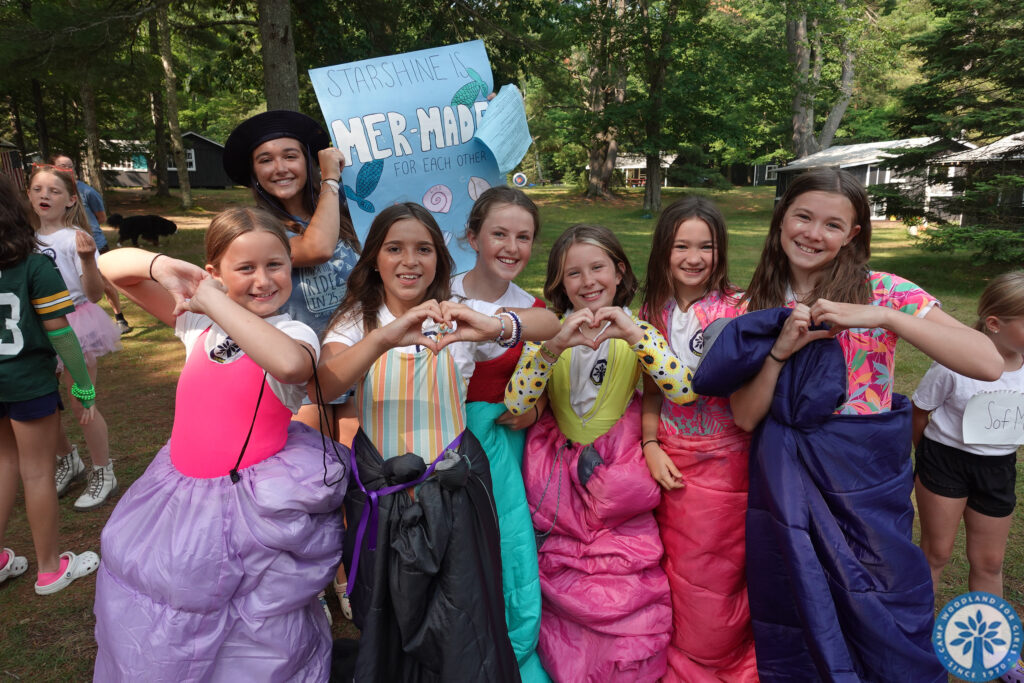
Starshine: seeing everybody in my cabin for the first time, passing to level 5 in swimming, cantering in riding, Gold Rush, swimming for cabin night, Spa Day, Gold Rush, drama-dance-gymnastics shows, pizza party, tennis, all my friends at camp, being the only one in my tennis class

Sunrise: getting “camper of the day”, end-of-session shows, our canoe trip, Farm Zoo animals, friends I have made, the horses in the barn, thalalalajalalalalala (inside joke), when Ryann figured out her role in drama, being able to do a front handspring and walkover in gymnastics, meeting JoAnne, cookout with Driftwood and Starshine, making friends, getting up on the kneeboard successfully for the first time, passing out of level 3 swimming, having a good time during Olympics, tripping over a tree root and dropping the water bucket, Olympics, Gangnam styling, kneeboarding during Rec Swim, friends, going on the pontoon boat and jumping off
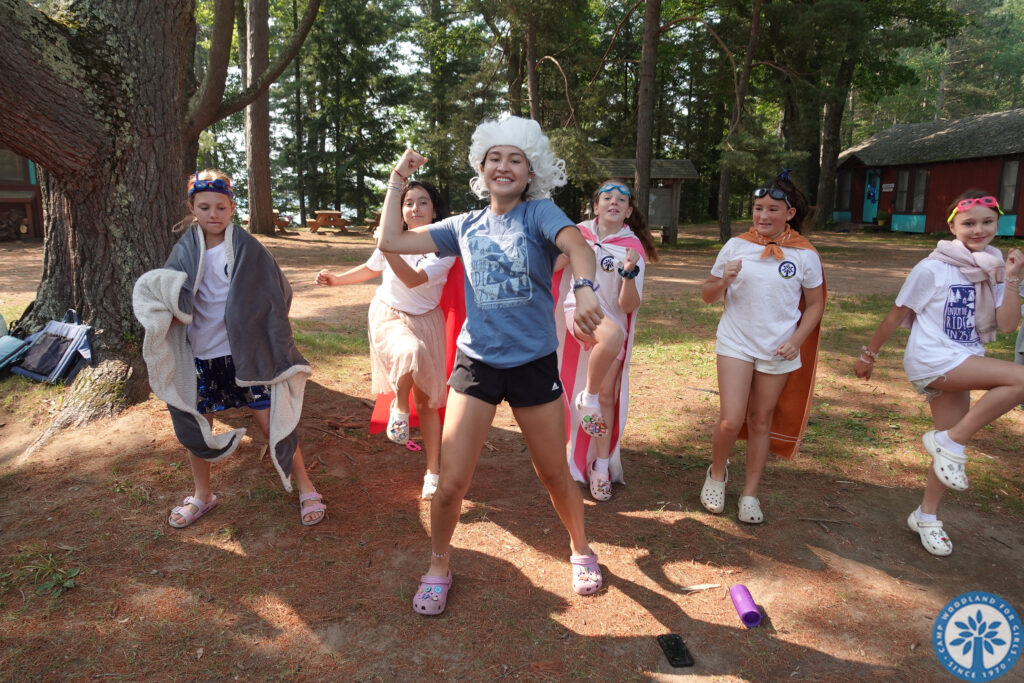
Driftwood: friends, activities, doing things at the cabin, jokes from camp, my BFF’s, riding, July 15, hanging out with my friends, 4th of July games/campfire/fireworks
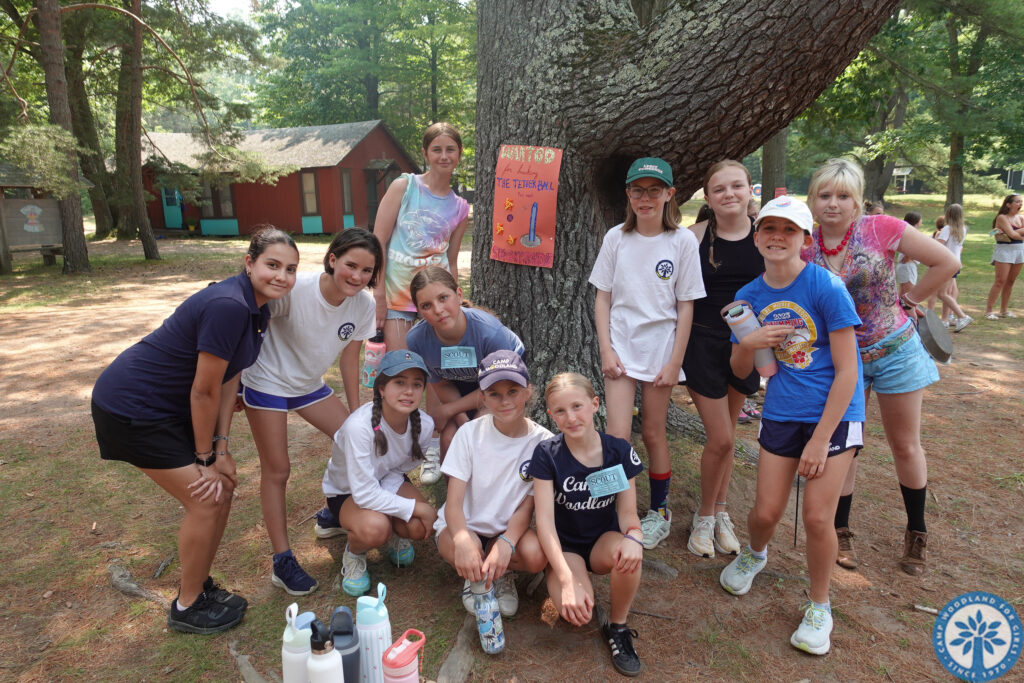
Sunnyside: Little Canoe, TP Fair, events, cabin nights, activities, cartwheels (2), Gary, “I am Moana of Ratatoille,” Community Day on the mini-fish sailboats (3), stargazing, canoe trip, Olympics (2), dance with Montze and Ana Roberto, spoon tag, my friends, sailing, friends, counselors, “you are it, Sydney”
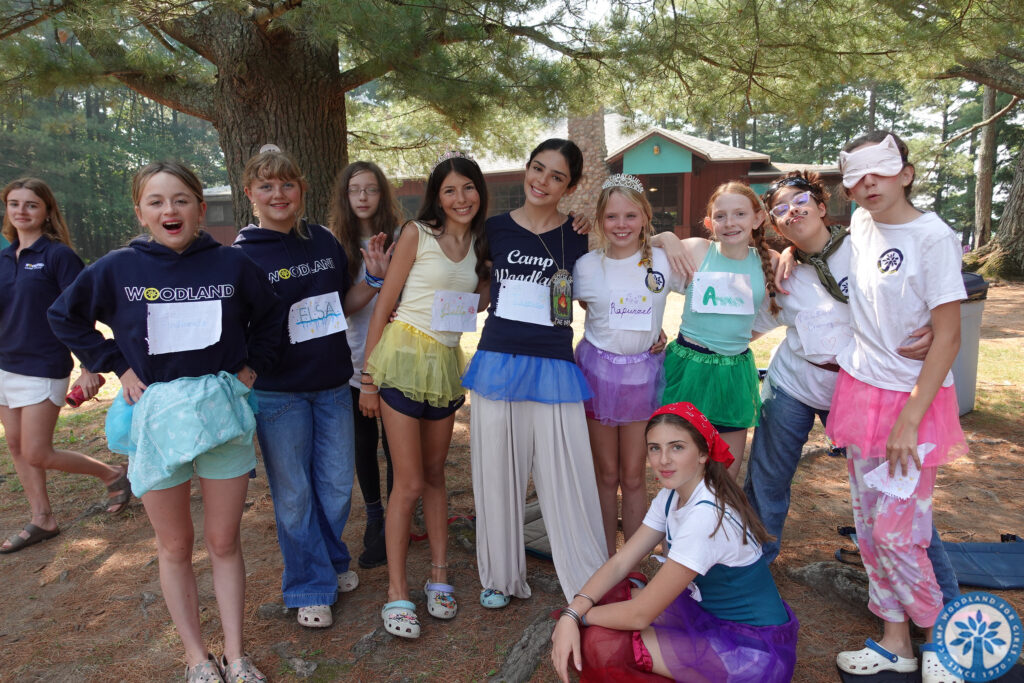
Tamarack: playing cards, being with my friends (3), and Ray on the love bench with (?), playing 9-square for cabin night, girl talk at night (2), canoe trip, winning Lip Sync Contest, getting up on 2 skis, passing to sitting in riflery, TP Fair (2), water bucket war with Aquarius (3), getting stuck in the fan during the play, cabin shenanigans, having Cuau as a counselor, making new friends, Song Contest, going to the aqua tramp, winning my first ever sail race, getting up slalom on the first try, captain relay during Olympics, Rec Swim with friends, Olympics
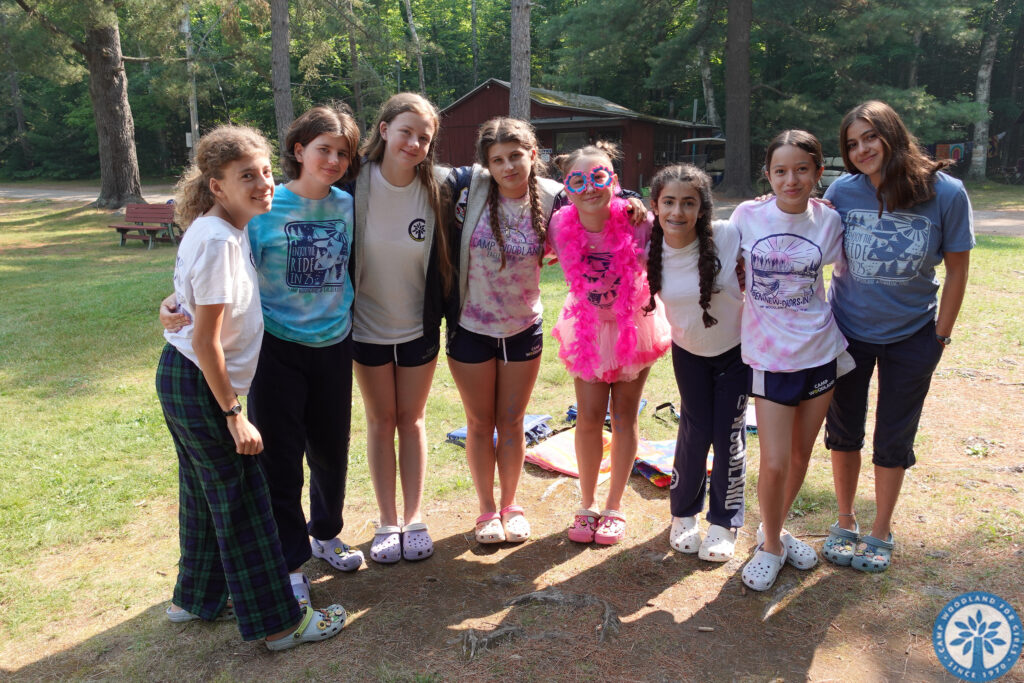
Treetops: rainy day activities, canoe trip (5), getting up on skis for the first time, first session Rec Swim, sailing, TP/Woodland exchanges (3), TP Fair, 4th of July campfire (2), Uzz language, obsession with cheese, being in the closet at night, 2nd session drama play, hanging out with all my friends
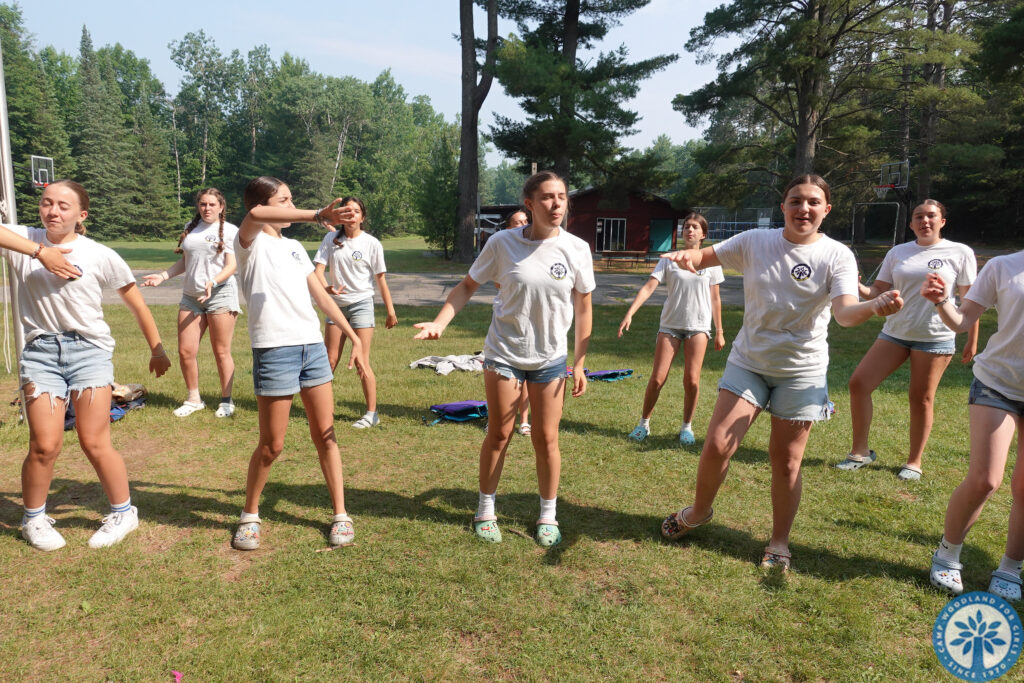
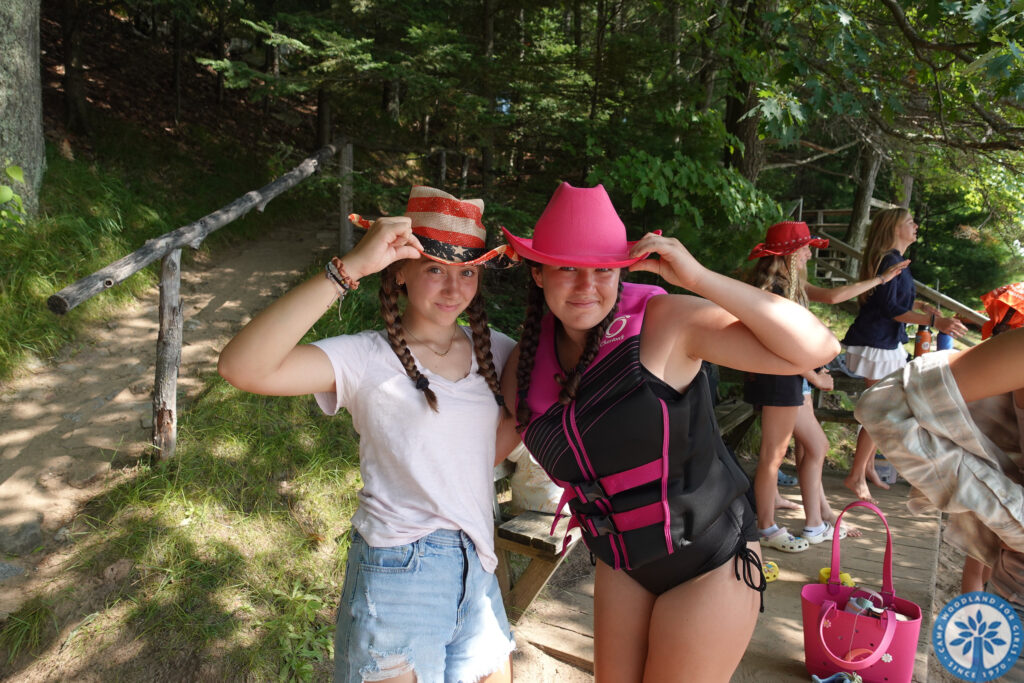
Hilltop: TP Fair, Olympics (2), sponge tag in sailing, cabin nights (2), Fair Days (3), banquet, cowboy regatta (3), 4th of July (3), canoe trip (3), writing to TP boys, getting my 5 yr pendant, cabin nights with my friends, birthday/pizza parties, going to the bog, eating brownies with Karen (2), dressing up for Olympics and having fun
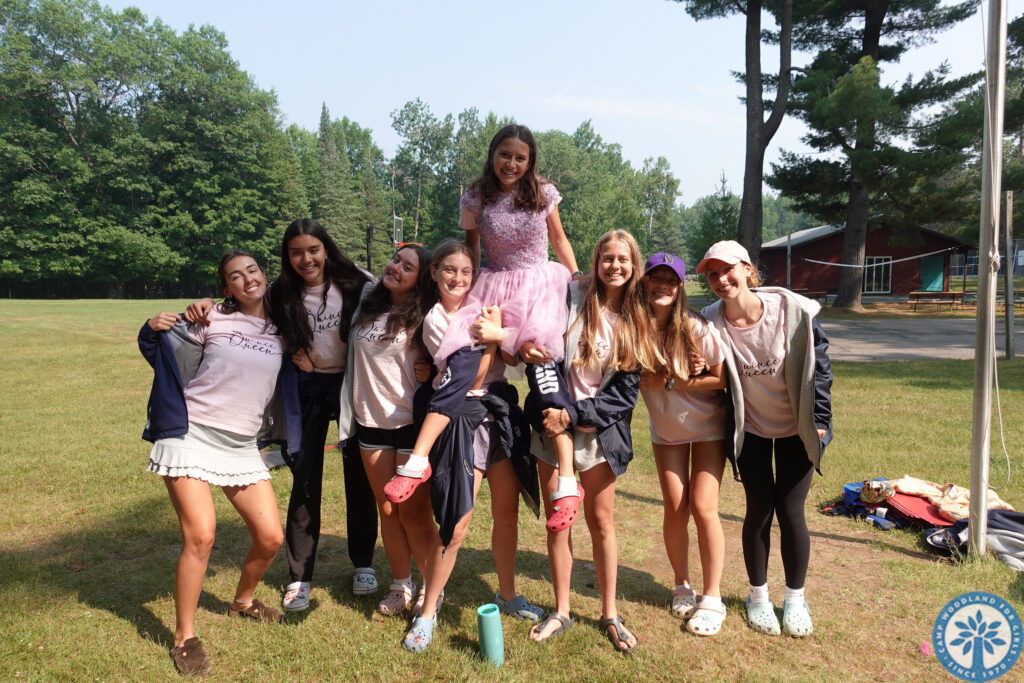
CIT’s: enjoying the natural beauty on our canoe day trip, cabin pontoon party with Lou, Northwoods stars (4), flying mustard with Amalia, getting my Golden Archer, sail race pirate regatta, Coed Show (3), meals with everyone, our cabin, talking to cabinmates at night (2), sailing with friends, Rec Swim, tennis, Western Day
Since we have been immersed in school and home life for the past few months, all of these moments become treasured MEMORIES that we pull out at random times to bring us back to those carefree days that make up a summer at Camp Woodland. If we happen to be able to gather with camp friends in the winter months, we recall those moments as if they happened just yesterday.
One of the things I have learned over the years is that campers (and staff) return to camp because of the people. Sure, activities and traditions are part of the draw to come back to camp. However, these wouldn’t be the same without the individuals who are there to create the memories we rely on this time of year when summer is still over a half a year away.
As we get ready to turn the page from one calendar year to another, the lyrics from the song, “Witchcraft,” come to mind: “Memories that linger, constant and true…memories we cherish, Camp Woodland, of you.”
Camp Comes to YOU
The pre-Thanksgiving gathering in Chicago was the kickstart to camp reunions anywhere, anytime! It is EASY to host your own reunion for camp friends where you are (in-person or virtually). Let us know HERE that you are interested, and we will help get it organized!
ENROLL for SUMMER 2026 at Camp Woodland
Now is a GREAT time to enroll your camper/s for 2026 and reserve your spot/s. Register here for those moments that turn into memories: https://cwtp.campbrainregistration.com
Woodland: Our Campers’ Third Place
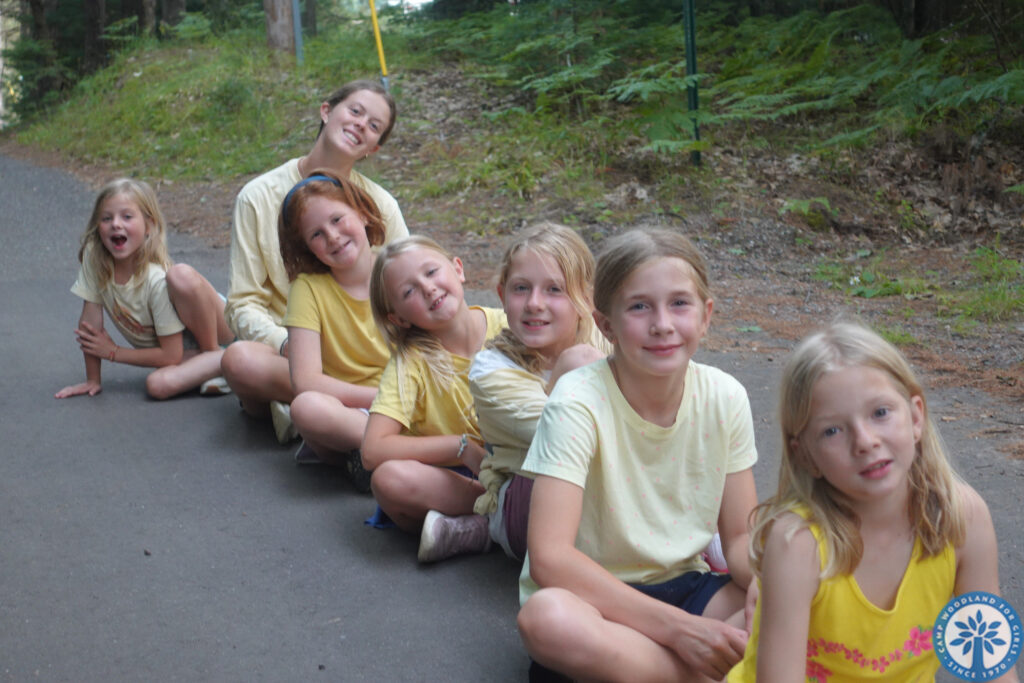 Sociologist Ray Oldenburg first introduced the idea of the third place—a space that is neither home nor work (or, for young people, neither home nor school). More recently, writer Kristin Kenzy has breathed fresh life into the concept, reminding us why these spaces matter now more than ever.
According to Kenzy, “a third place delivers social connection, a sense of belonging, and critical relief from our responsibilities at home and work.” For adults, that might be a favorite café or community center. But for the campers who return to Camp Woodland summer after summer, we know exactly what that third place is: right here on County D, among the tall pine trees, on Sand Lake, and in a community where they feel deeply known.
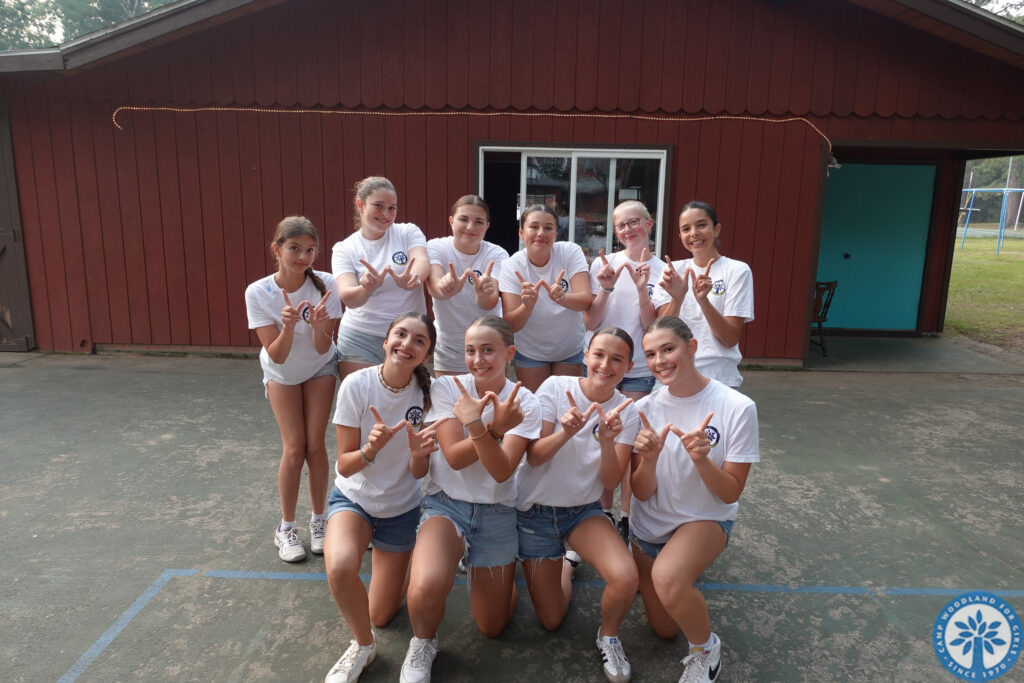
Why Camp Woodland is a Third Place
Every June, campers arrive with duffels full of clothing and hearts full of anticipation. What they step into is not simply a camp session—it’s a living, breathing third place that offers:
1. Social Connection
At Woodland, connection happens everywhere:
– In the dining hall when the entire camp erupts into song
– At the barn when a camper cheers for a friend’s first trot
– In the cabin before bedtime when the counselor is reading the goodnight story
Here, conversation isn’t something squeezed between tasks—it’s the point. Campers discover what it feels like to be listened to, supported, and celebrated in a community designed to bring people together.
2. A Sense of Belonging
Belonging at Camp Woodland doesn’t depend on achievement, appearance, or perfection. A Woodland girl is embraced for who she is the moment she arrives. Traditions, shared experiences, and the sheer joy of growing up together create bonds that stretch far beyond one summer.
It’s this belonging that keeps campers returning year after year—and keeps Woodland alumnae connected long after they’ve traded sailboats for laptops and riding boots and helmets for career attire.
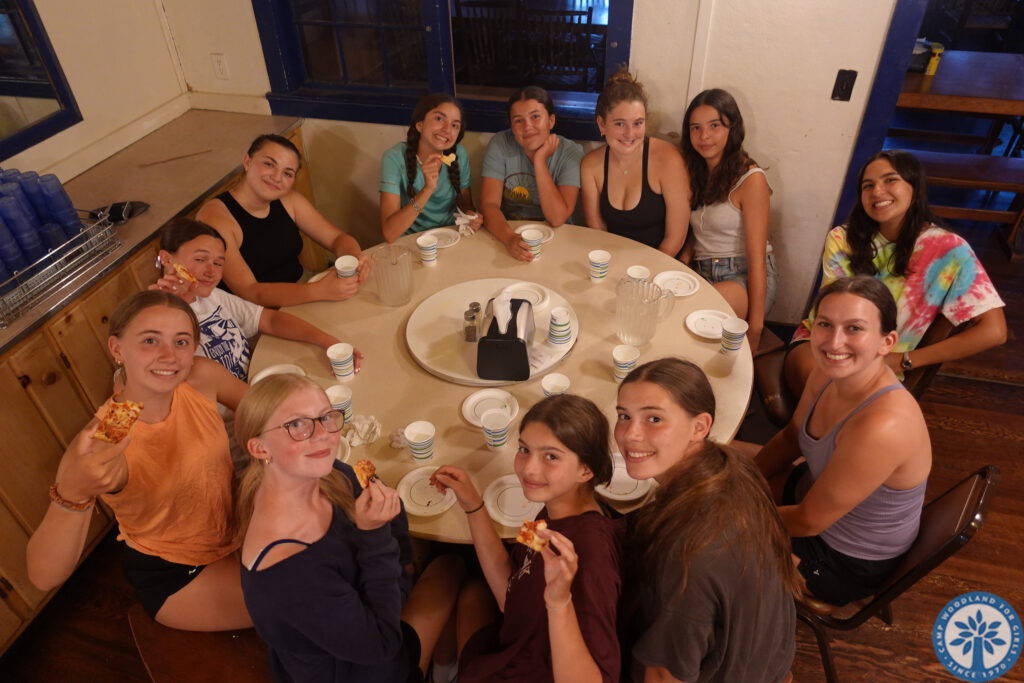
3. A Break from Everyday Responsibilities
Camp is a rare gift in a world buzzing with notifications, pressures, and expectations. Woodland asks something beautifully simple of campers:
Be present. Try new things. Be yourself.
Free from academic stress, schedules, and the curated world of social media, campers find spaciousness—mentally, emotionally, and socially. They reset. They breathe. They remember what it feels like to play, explore, and grow without the weight of comparison.
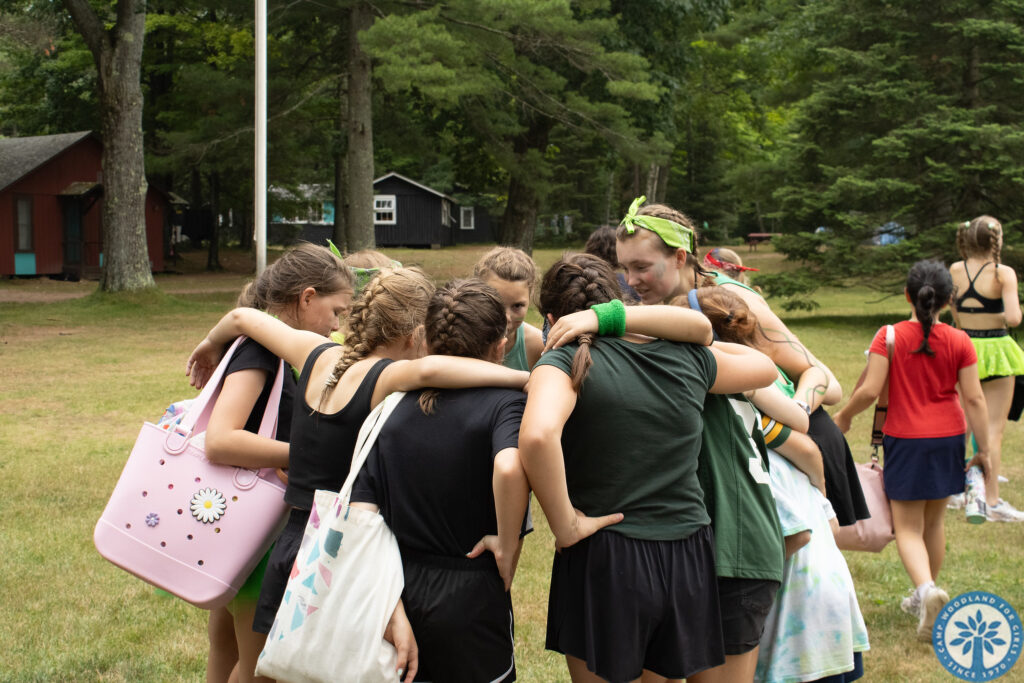
Connection With as Little Friction as Possible
Kristin Kenzy emphasizes that “communities thrive when people are routinely guided to connect with each other, face-to-face, with as little friction as possible.”
This is the Woodland way.
Campers don’t need an invitation to connect—it happens organically. They live together, learn together, and navigate the ups and downs of cabin life together. Friction is minimized by design:
-
Devices stay at home (or in a safe place at camp)
-
Staff intentionally foster collaborative, supportive environments
-
Rituals and routines gently pull everyone into shared moments
Face-to-face is the only way things operate here—and the result is authentic, durable relationships that feel increasingly rare in the outside world.
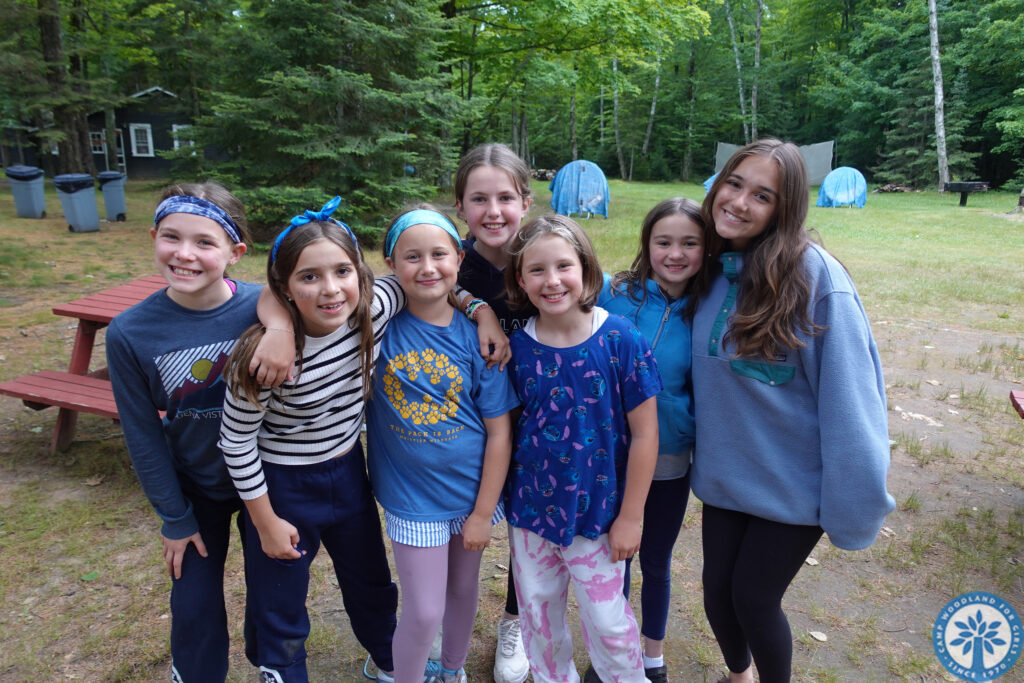
A Third Place They Carry With Them
By the end of every summer, something magical happens: Camp Woodland becomes more than a destination. It becomes an anchor point, a source of confidence, and a place campers carry in their hearts long after they’ve returned home.
Because that’s the power of a true third place—it changes you.
It strengthens you.
It reminds you who you are.
And every summer, Woodland campers return to the place that gives them exactly that.
We hope your daughter/s will join us in 2026 so they can find or return to their third place!
A Camp Journey With Many Perspectives
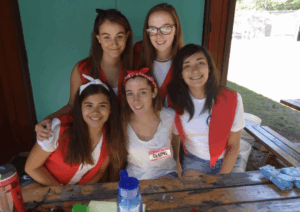
For Estefi Guevara, camp has always been more than a summer experience. It has been a second home where she has grown, developed, and discovered her own creative voice. Her connection to camp began long before she arrived as a camper in 2016. Her aunt Marce first came in 2004, paving the way for other family members to follow. Eventually, Estefi, her sister Nat, and her brother chose to attend as a gift in place of a traditional quinceañera celebration. That one summer for both Estefi and Nat turned into multiple summers (7 years total for Estefi and 4 for Nat in 2025).
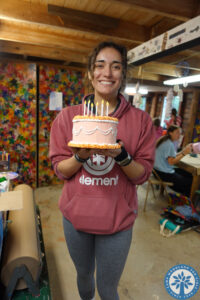 Over the years, Estefi has seen camp from nearly every perspective. She began as a camper then CIT, later worked in the kitchen, spent time as a counselor, and now leads canoe trips and directs the arts and crafts program. Each role has given her a new understanding of how camp operates and how people connect within it. Working in the kitchen allowed her to experience the rhythm of feeding a whole community while forming friendships with people she might never have met otherwise. Her time as a counselor helped her develop empathy and patience while guiding younger campers. Through leading trips and arts activities, she has learned how to bring creativity and structure together in ways that inspire others.
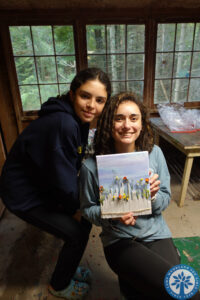 Her background in architecture has strengthened her approach to problem-solving and design at camp. She has a natural ability to visualize how a project will come together, to plan each step carefully, and to make thoughtful choices about materials and methods. Whether organizing an art project or planning a canoe trip, she draws on her architectural training to think critically and anticipate each stage of the process.
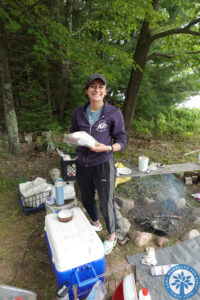 Camp has also played an important role in helping Estefi grow more confident and independent. An introvert by nature, she first came to camp from another country and had to step far outside her comfort zone. The experience opened her up to new friendships and gave her the courage to explore unfamiliar situations. That spirit of exploration carried into her travels through Europe, where she met new people and built connections much like those she had formed at camp.
Many of the habits and passions that shape her life today trace back to summers at camp. She has brought home projects she first learned there, such as craft techniques, cooking experiments, and even the patience to make her own yogurt. Recently, she has begun making her own clothes and hopes to try baking sourdough bread. These creative pursuits reflect the same curiosity and care that guide her work as both an architect and a camp leader.
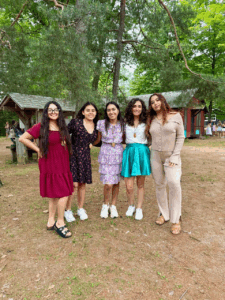 Estefi often reflects on the importance of slowing down and appreciating each stage of life. In a world that pushes people to move quickly from one milestone to the next, she values taking time to enjoy the process rather than rushing toward the outcome. Camp has shaped her not only as a designer and leader but also as someone who knows how to appreciate every step along the way.
**********
From Camp to Career: come join us! If you are or know an emerging leader who is wanting to explore personal and professional skill development, we invite you to let us know HERE (first time staff members) or RETURN staff (have been on staff at least one previous summer).
**********