

Camp Woodland Blog
Woodland: Our Campers’ Third Place
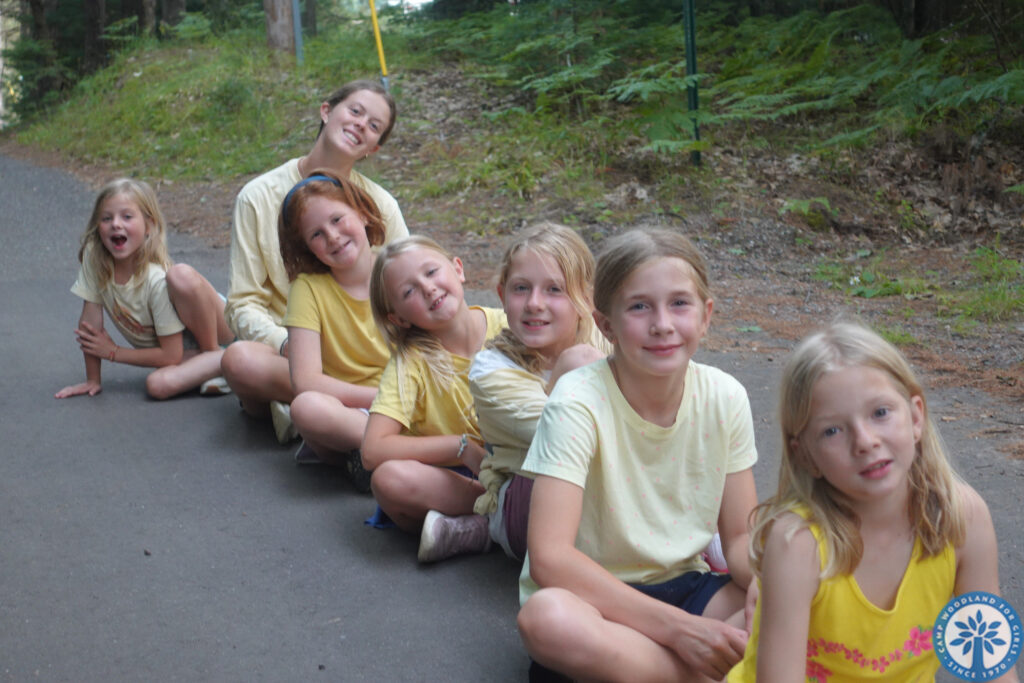 Sociologist Ray Oldenburg first introduced the idea of the third place—a space that is neither home nor work (or, for young people, neither home nor school). More recently, writer Kristin Kenzy has breathed fresh life into the concept, reminding us why these spaces matter now more than ever.
According to Kenzy, “a third place delivers social connection, a sense of belonging, and critical relief from our responsibilities at home and work.” For adults, that might be a favorite café or community center. But for the campers who return to Camp Woodland summer after summer, we know exactly what that third place is: right here on County D, among the tall pine trees, on Sand Lake, and in a community where they feel deeply known.
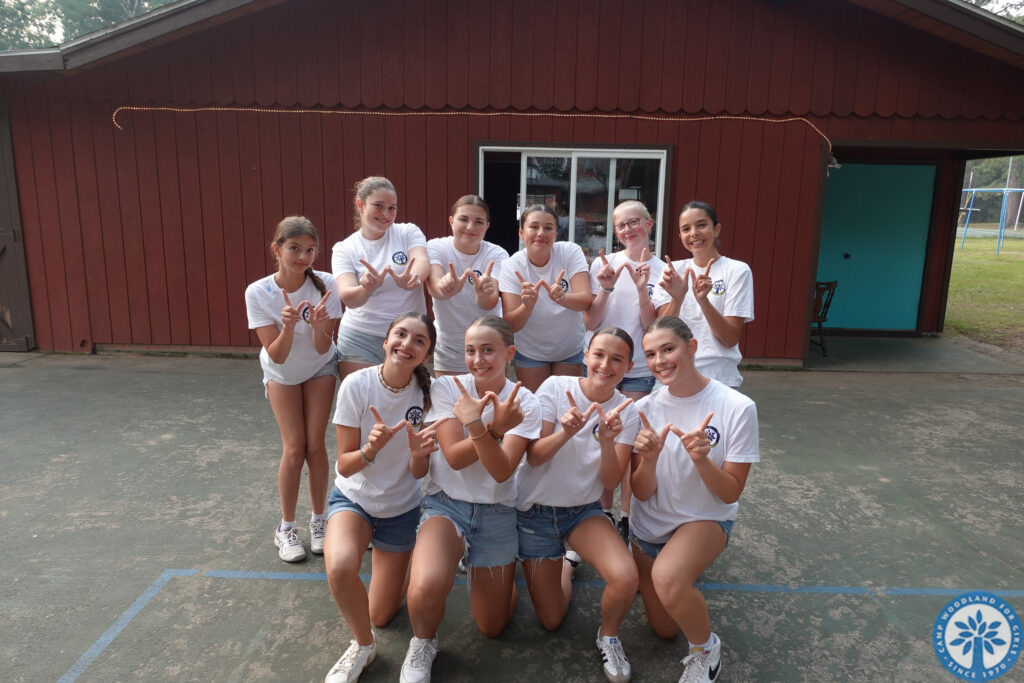
Why Camp Woodland is a Third Place
Every June, campers arrive with duffels full of clothing and hearts full of anticipation. What they step into is not simply a camp session—it’s a living, breathing third place that offers:
1. Social Connection
At Woodland, connection happens everywhere:
– In the dining hall when the entire camp erupts into song
– At the barn when a camper cheers for a friend’s first trot
– In the cabin before bedtime when the counselor is reading the goodnight story
Here, conversation isn’t something squeezed between tasks—it’s the point. Campers discover what it feels like to be listened to, supported, and celebrated in a community designed to bring people together.
2. A Sense of Belonging
Belonging at Camp Woodland doesn’t depend on achievement, appearance, or perfection. A Woodland girl is embraced for who she is the moment she arrives. Traditions, shared experiences, and the sheer joy of growing up together create bonds that stretch far beyond one summer.
It’s this belonging that keeps campers returning year after year—and keeps Woodland alumnae connected long after they’ve traded sailboats for laptops and riding boots and helmets for career attire.
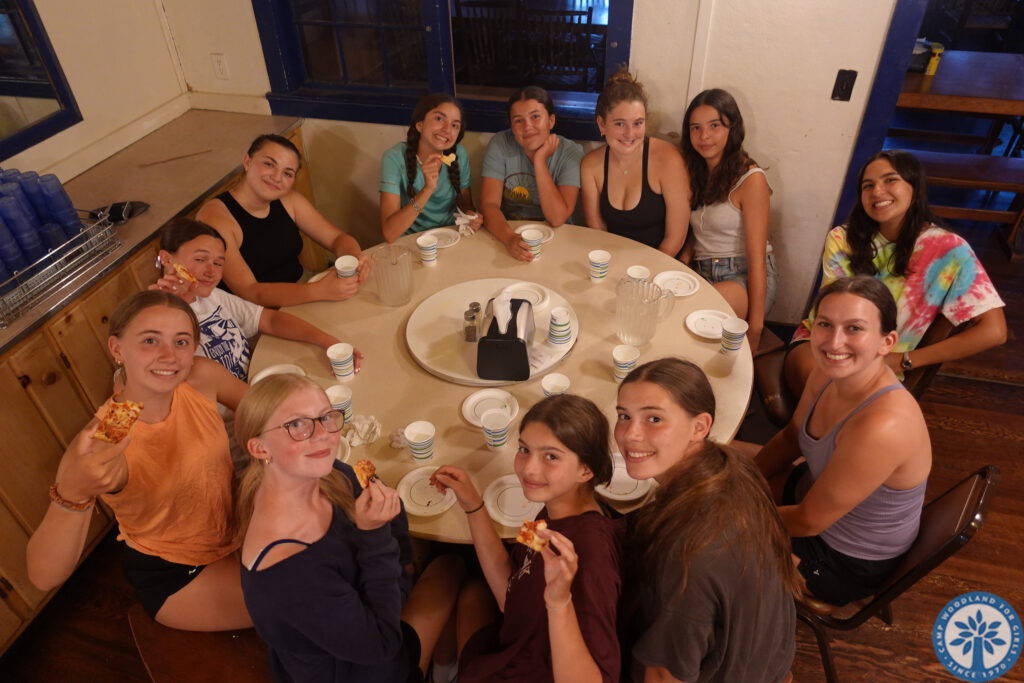
3. A Break from Everyday Responsibilities
Camp is a rare gift in a world buzzing with notifications, pressures, and expectations. Woodland asks something beautifully simple of campers:
Be present. Try new things. Be yourself.
Free from academic stress, schedules, and the curated world of social media, campers find spaciousness—mentally, emotionally, and socially. They reset. They breathe. They remember what it feels like to play, explore, and grow without the weight of comparison.
Connection With as Little Friction as Possible
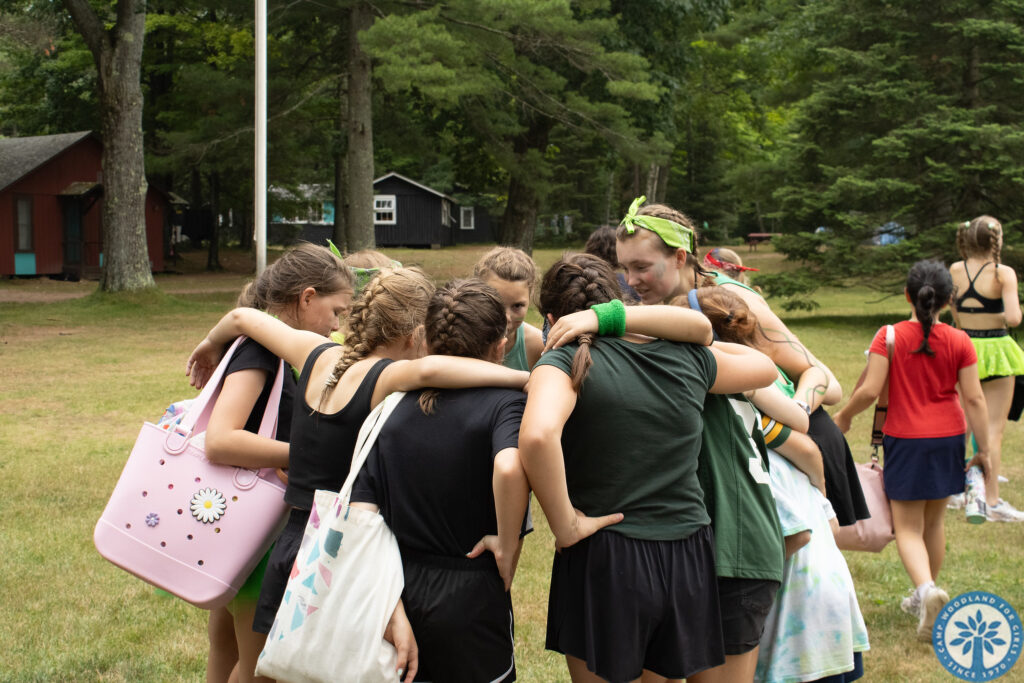
Kristin Kenzy emphasizes that “communities thrive when people are routinely guided to connect with each other, face-to-face, with as little friction as possible.”
This is the Woodland way.
Campers don’t need an invitation to connect—it happens organically. They live together, learn together, and navigate the ups and downs of cabin life together. Friction is minimized by design:
-
Devices stay at home (or in a safe place at camp)
-
Staff intentionally foster collaborative, supportive environments
-
Rituals and routines gently pull everyone into shared moments
Face-to-face is the only way things operate here—and the result is authentic, durable relationships that feel increasingly rare in the outside world.
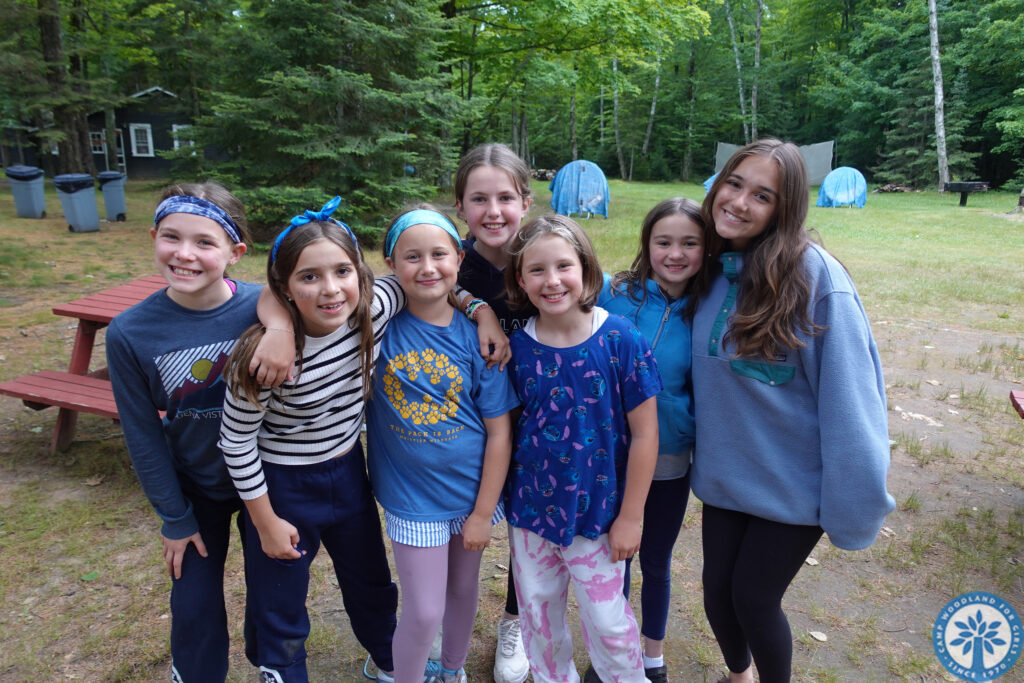
A Third Place They Carry With Them
By the end of every summer, something magical happens: Camp Woodland becomes more than a destination. It becomes an anchor point, a source of confidence, and a place campers carry in their hearts long after they’ve returned home.
Because that’s the power of a true third place—it changes you.
It strengthens you.
It reminds you who you are.
And every summer, Woodland campers return to the place that gives them exactly that.
We hope your daughter/s will join us in 2026 so they can find or return to their third place!